
Insect · GBIF taxon 5035230
Red Imported Fire Ant
Solenopsis invictaAlso known as RIFA, Fire Ant, Red Fire Ant
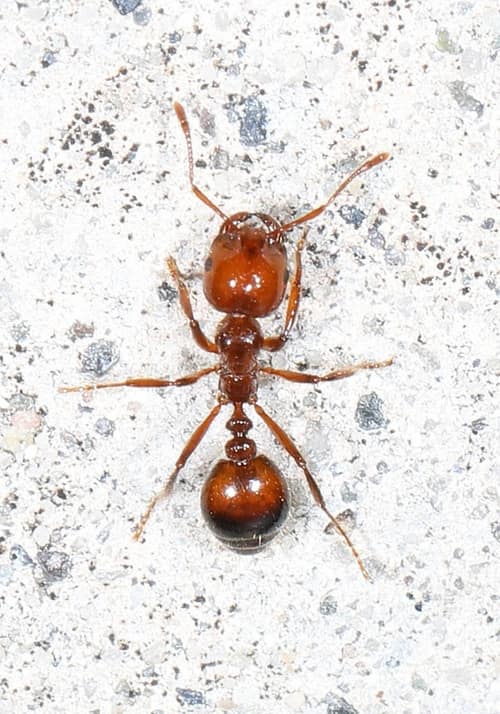
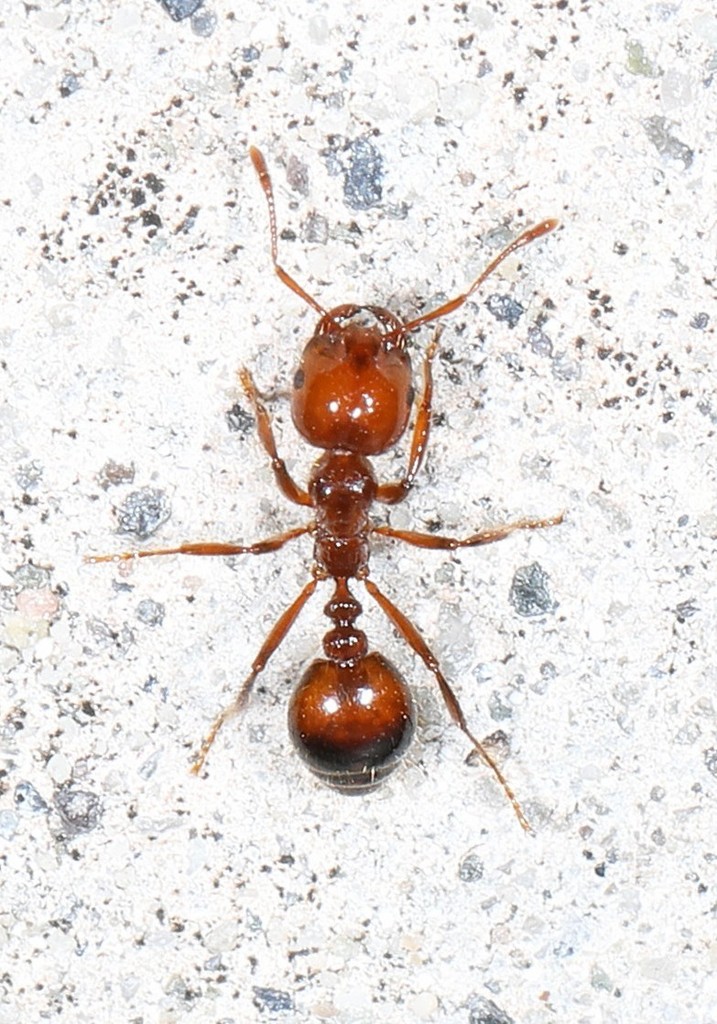
Red imported fire ants construct extensive subterranean colonies marked by entrance-free soil mounds, from which workers emerge through hidden underground tunnels to forage. When a nest is disturbed, hundreds of aggressive workers swarm out simultaneously, anchoring themselves with their mandibles before repeatedly injecting venom. Their ecological dominance alters native ant communities, reduces local biodiversity, and poses persistent challenges in agricultural and urban environments worldwide.
InvasiveVenomousSocial Insect
—observations
—countries
—peak records
Not EvaluatedConservation statusIUCN Red List categoriesLCNTVUENCREWEXNot Evaluated — not placed on the risk ladderRed List categories, explained →
Diet & prey
- Insects and small invertebrates
- Seeds
- Plant nectar and honeydew
Predators
- Phorid flies
- Armadillos
- Dragonflies
ThreatsTargeted eradication programs, extreme freezing temperatures, native ant competition
HabitatsGrasslands, agricultural fields, pastures, lawns, road margins, disturbed clearings
Life spanWorkers live 1 to 6 months; queens live 2 to 7 years
Size / weightNot available
Classification
- OrderHymenoptera
- FamilyFormicidae
- GenusSolenopsis
- SpeciesSolenopsis invicta
Range data is not available yet.
Interaction riskVery high
- Low
- Moderate
- High
- Very high
- Why interaction risk is very high
- Delivers painful stings that can trigger severe allergic reactions; avoid stepping on or disturbing soil mounds.
- Why it is dangerous
- Injects piperidine alkaloid venom that causes intense burning, fluid-filled pustules, and potential fatal anaphylaxis in sensitive individuals.
- How to recognize a risky encounter
- Recognized by reddish-brown bodies with darker gasters, variable worker sizes, and entrance-free soil mounds in sunny areas.
- What to do
- Never step on mounds or touch foraging clusters; wear high boots and long pants when walking through infested areas.
Responsible observation
- Mound Avoidance: Keep a safe distance from unadorned dirt mounds in sunny fields, as colonies defend their nests instantly.
- First Aid Action: Wash sting sites promptly with soap and water, and seek medical attention if systemic allergic symptoms arise.
 Image unavailable
Parasitoid 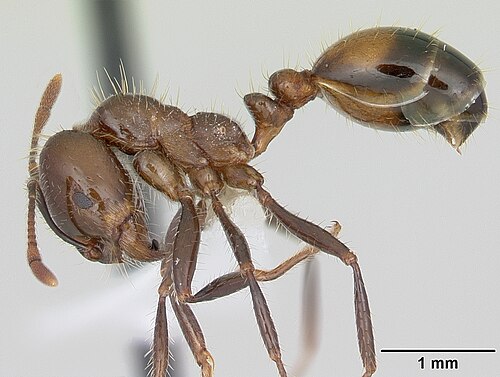
Close Relative April Nobile / CC BY 4.0 · cc-by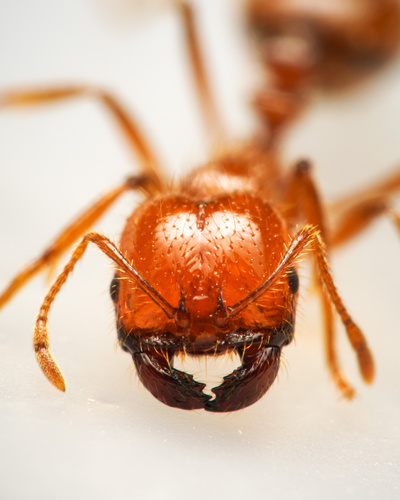
Close Relative (c) Reynante Martinez, some rights reserved (CC BY), uploaded by Reynante Martinez · cc-by
Help improve the field guideSomething wrong?
Checking your Fauna account…Report a name, category, or profile issue for review.