
Insect · GBIF taxon 5034675
Chestnut Carpenter Ant
Camponotus castaneusAlso known as Red Hazelnut Carpenter Ant, Chestnut Ant, Red Carpenter Ant
Chestnut carpenter ants are distinctive for their warm honey-amber to orangish-red coloration and nocturnal foraging habits across eastern North American forests. Unlike many carpenter ants that excavate deep into sound timber, this subterranean species typically constructs nests under stones, rotting logs, or soil leaf litter. Large major workers with broad heads defend the colony and dismember prey, while smaller workers forage after dusk for honeydew secreted by aphids and scale insects.
NocturnalSocial InsectForest Dweller
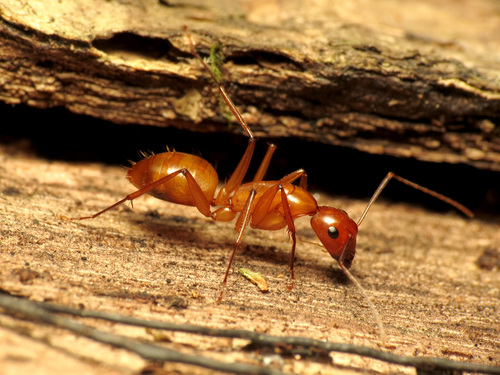
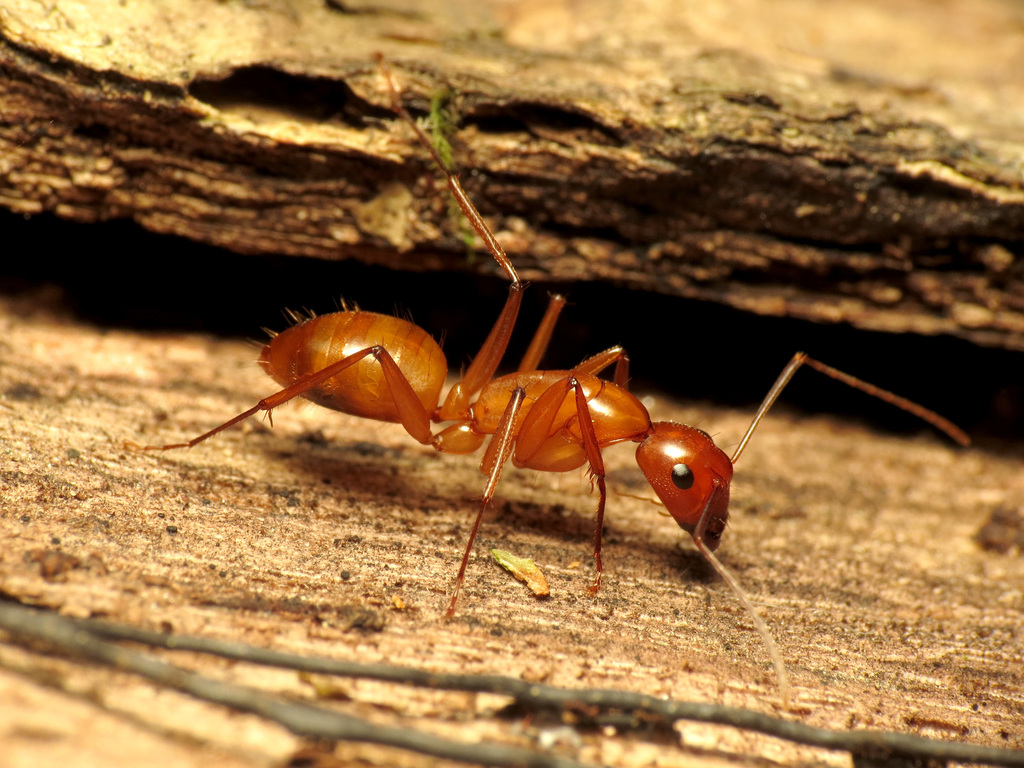
—observations
—countries
—peak records
Not EvaluatedConservation statusIUCN Red List categoriesLCNTVUENCREWEXNot Evaluated — not placed on the risk ladderRed List categories, explained →
Diet & prey
- Honeydew
- Small Insects
- Plant Nectar
Predators
- Woodpeckers
- Toads
- Jumping Spiders
ThreatsHabitat loss, pesticide use, and colony destruction
HabitatsDeciduous forests, woodland edges, and suburban yards
Life spanWorkers live 1–3 years; queens can live over 10–15 years
Size / weightNot available
Classification
- OrderHymenoptera
- FamilyFormicidae
- GenusCamponotus
- SpeciesCamponotus castaneus
Range data is not available yet.
Interaction riskLow
- Low
- Moderate
- High
- Very high
- Why interaction risk is low
- Capable of delivering a mild bite if picked up; observe workers carefully without touching.
- Why it is dangerous
- Mandibles can pinch human skin and spray formic acid into the bite, causing temporary stinging.
- How to recognize a risky encounter
- Look for medium to large honey-amber or reddish-orange ants active on tree trunks or leaf litter at night.
- What to do
- Avoid picking up workers or disturbing nest sites under logs and rocks.
Responsible observation
- Night Observation: Use a red-filtered flashlight to watch workers forage after nightfall without disturbing them.
- Nesting Sites: Look under loose bark, rotting logs, or flat stones in deciduous woodlands.
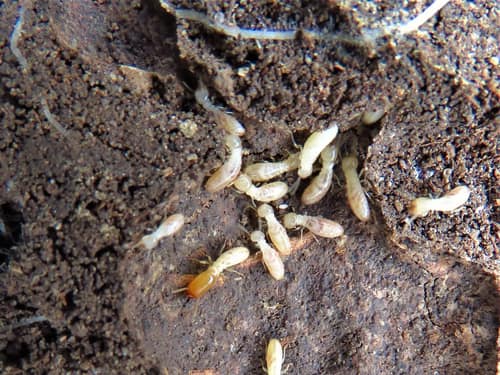
Competitor (c) Annika Lindqvist, some rights reserved (CC BY), uploaded by Annika Lindqvist · cc-by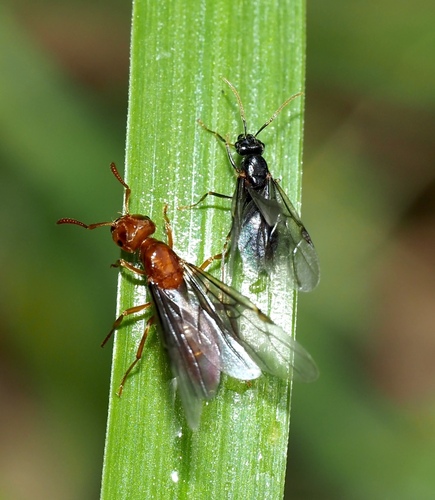
Neighbor (c) Jeff Clark, some rights reserved (CC BY), uploaded by Jeff Clark · cc-by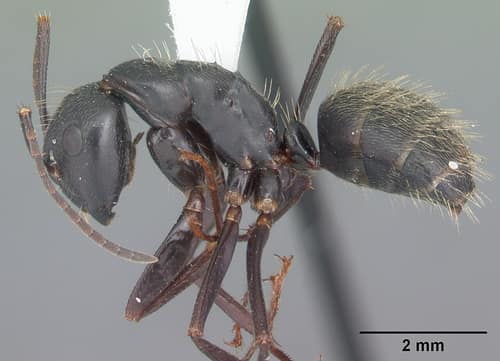
Close Relative April Nobile / CC BY 4.0 · cc-by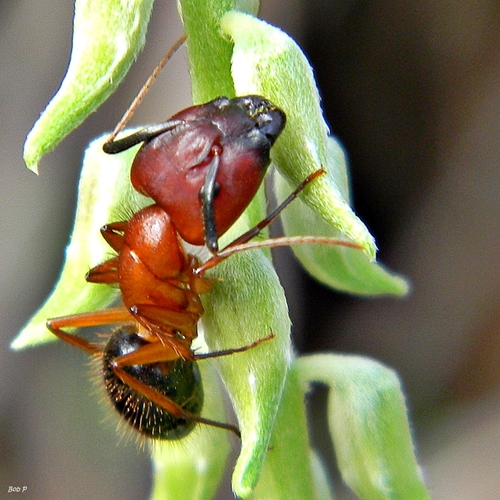
Close Relative (c) Bob Peterson, some rights reserved (CC BY-SA) · cc-by-sa
Help improve the field guideSomething wrong?
Checking your Fauna account…Report a name, category, or profile issue for review.