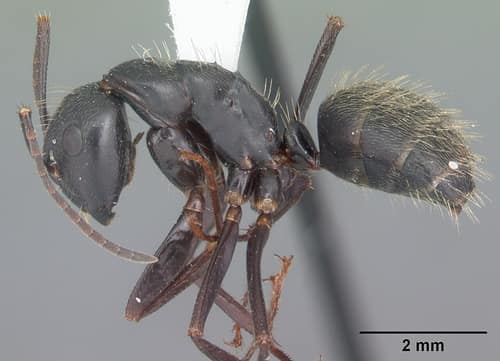
Ferruginous carpenter ants are robust, polymorphic woodland ants known for their striking rusty-red midsections and jet-black gasters. Workers construct intricate networks of galleries within moist, decaying logs and forest stumps, carving smooth passageways without actually eating the wood fibers. Foragers form busy trails along the forest floor at dusk, tending sap-sucking insects in tree canopies and scavenging dead invertebrates.
Not EvaluatedConservation statusIUCN Red List categoriesLCNTVUENCREWEXNot Evaluated — not placed on the risk ladderRed List categories, explained →
Key facts
Diet & preyAphid honeydew, Caterpillars, Small flies
Predators
Pileated Woodpecker
American Black Bear
Eastern American Toad
ThreatsHabitat loss, removal of coarse woody debris, and pesticide use
HabitatsDeciduous forests, mixed woodlands, and wooded suburban edges
Life spanSeveral months for workers, up to 15 years for queens
Classification
OrderHymenoptera
FamilyFormicidae
GenusCamponotus
SpeciesCamponotus chromaiodes
Range & activity
Range data is not available yet.
Safe observation
Interaction riskLow
Low
Moderate
High
Very high
Why interaction risk is low
Large workers can pinch painfully with their mandibles and spray formic acid if handled; observe without touching.
Why it is dangerous
Large major workers possess powerful mandibles capable of pinching through skin and can spray formic acid into the puncture, causing localized stinging and mild inflammation.
How to recognize a risky encounter
Look for large size, reaching up to 18 millimeters, with a bright rusty-red thorax contrasting sharply against a black head and gaster.
What to do
Refrain from picking up workers or tearing open rotting logs; if bitten, brush the ant off promptly and wash the site with soap and water.
Responsible observation
Look Along Fallen Logs: Search decaying hardwood trunks and stumps in late afternoon for foraging worker trails.
Observe from a Distance: Watch their traffic lines closely without disturbing rotting wood or picking up large major workers.

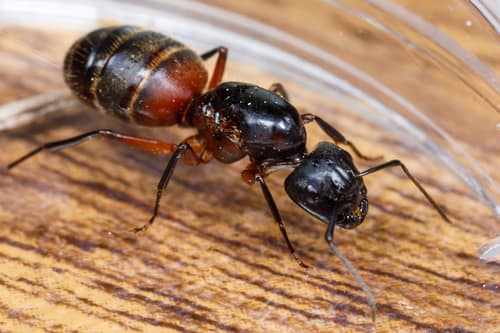
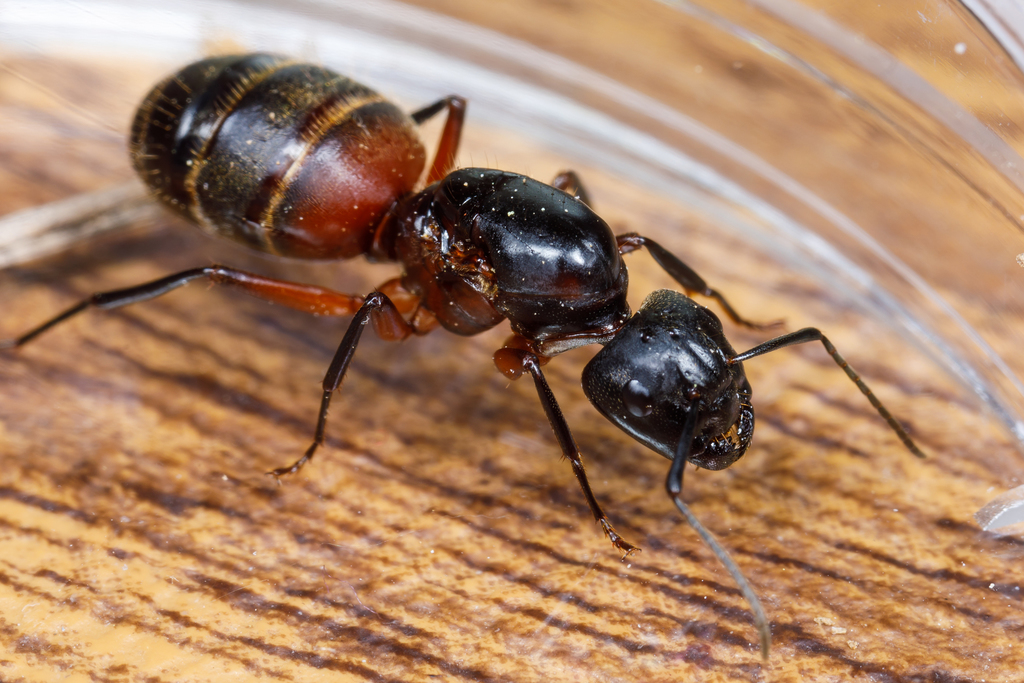
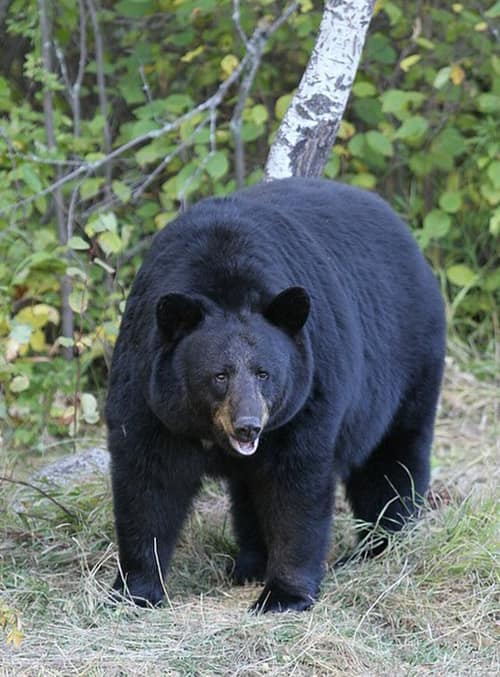
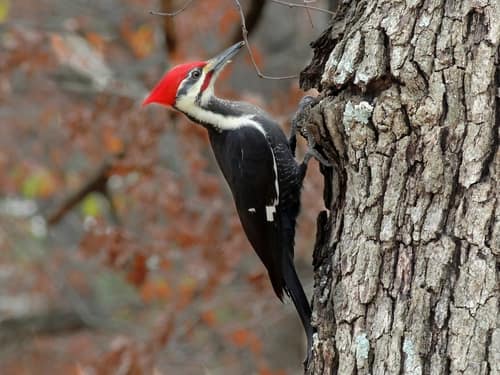
 Image unavailable