
Insect · GBIF taxon 5034116
Eastern Black Carpenter Ant
Camponotus pennsylvanicusAlso known as Black Carpenter Ant, Eastern Carpenter Ant
Eastern black carpenter ants establish massive colonies inside decaying timber, carving out smooth subterranean and arboreal galleries without actually digesting the wood. Major workers with oversized heads defend the nest and crush tough prey, while minor workers forage mostly at night along chemical trails for insect secretions and small invertebrates. Winged reproductives swarm during warm spring evenings to mate and found new colonies in moist, rotting trees.
NocturnalWood-DwellingSocial Insect
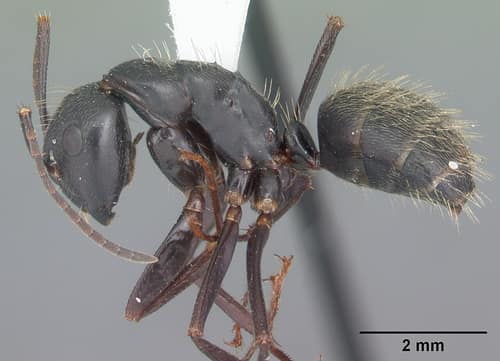
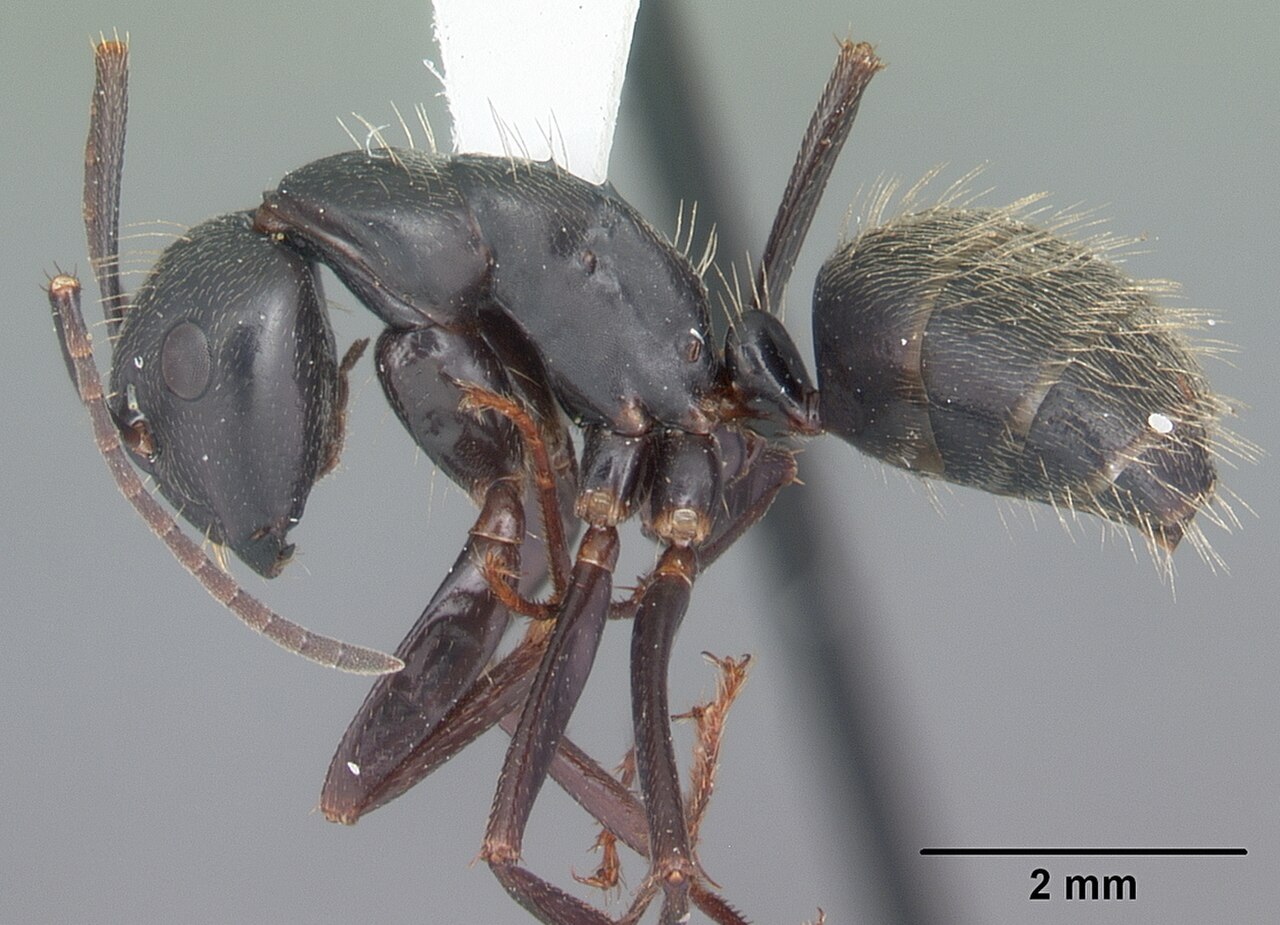
—observations
—countries
—peak records
Not EvaluatedConservation statusIUCN Red List categoriesLCNTVUENCREWEXNot Evaluated — not placed on the risk ladderRed List categories, explained →
Diet & prey
- Aphid Honeydew
- Small Caterpillars
- Dead Insects
Predators
- Woodpeckers
- Toads
- Jumping Spiders
ThreatsPesticide application, severe habitat loss, invasive ant competition
HabitatsDeciduous forests, woodland edges, suburban yards, decaying logs
Life spanQueens 10–25 years; workers 1–7 years
Size / weightNot available
Classification
- OrderHymenoptera
- FamilyFormicidae
- GenusCamponotus
- SpeciesCamponotus pennsylvanicus
Range data is not available yet.
Interaction riskLow
- Low
- Moderate
- High
- Very high
- Why interaction risk is low
- Defensive workers can inflict a painful pinch and spray formic acid when their nest is disturbed.
- Why it is dangerous
- Major workers possess powerful mandibles capable of pinching skin and spraying irritant formic acid into the wound.
- How to recognize a risky encounter
- Look for large, completely matte-black ants up to 2 cm long with fine yellowish abdominal hairs.
- What to do
- Avoid disturbing nest logs or chemical trails, and observe workers without placing hands near them.
Responsible observation
- Spotting Trails: Look for active lines of workers traveling along tree branches or wooden structures after dusk.
- Finding Nests: Search for piles of coarse wood shavings beneath old stumps or dead tree limbs.
- Safe Observation: Watch foraging workers using a red-light filter to avoid startling them with bright light.
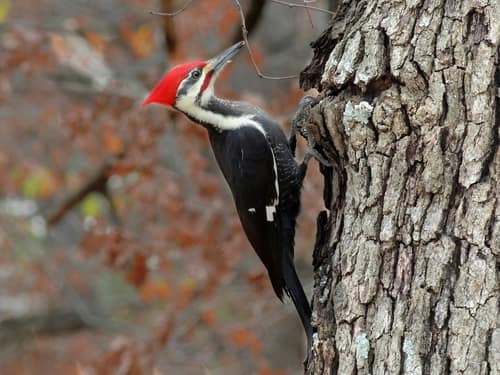
Predator (c) Joshlaymon, some rights reserved (CC BY-SA) · cc-by-sa Image unavailable
Symbiont 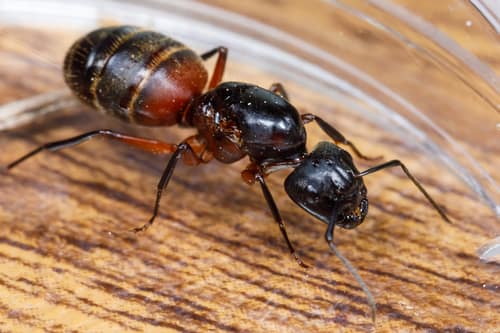
Close Relative (c) Meghan Cassidy, some rights reserved (CC BY-SA), uploaded by Meghan Cassidy · cc-by-sa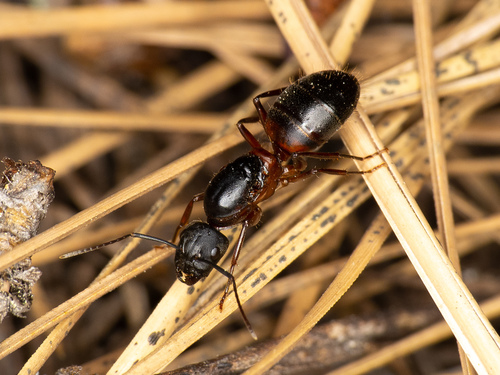
Close Relative (c) Jason Alexander, some rights reserved (CC BY), uploaded by Jason Alexander · cc-by
Help improve the field guideSomething wrong?
Checking your Fauna account…Report a name, category, or profile issue for review.