
Insect · GBIF taxon 5033385
New York Carpenter Ant
Camponotus novaeboracensisAlso known as Red-and-black Carpenter Ant
New York carpenter ants stand out with their distinct bicolored bodies, featuring a deep reddish-maroon thorax contrasting against a jet-black head and abdomen. Worker ants excavate extensive galleries within decaying wood and moist logs, helping break down forest timber without actually consuming the wood itself. Colonies actively forage at night, trailing up tree trunks to tend aphid colonies for sweet honeydew and hunting small soft-bodied invertebrates.
SocialWood-dwellingBicolored
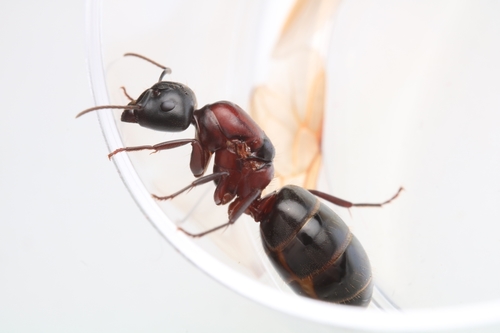
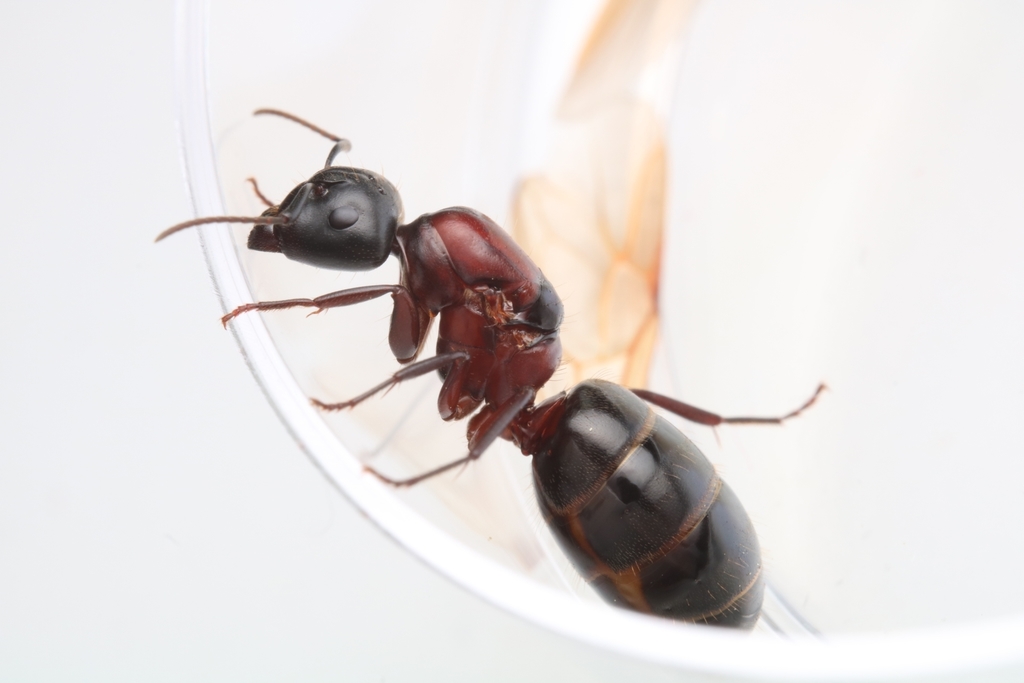 1 / 7
1 / 7—observations
—countries
—peak records
Not EvaluatedConservation statusIUCN Red List categoriesLCNTVUENCREWEXNot Evaluated — not placed on the risk ladderRed List categories, explained →
Diet & prey
- Honeydew
- Small Insects
- Plant Sap
Predators
- Woodpeckers
- Toads
- Bears
ThreatsHabitat disruption, timber harvesting, pest management
HabitatsDeciduous and mixed forests, decaying wood
Life spanQueens 10–25 years; workers 1–3 years
Size / weightNot available
Classification
- OrderHymenoptera
- FamilyFormicidae
- GenusCamponotus
- SpeciesCamponotus novaeboracensis
Range data is not available yet.
Interaction riskLow
- Low
- Moderate
- High
- Very high
- Why interaction risk is low
- Major workers can deliver a pinching bite if the nest is disturbed; observe without breaking open rotting logs.
Responsible observation
- Woodland Searching: Look under loose bark and inside soft decaying logs in cool, moist forests.
- Observation Caution: Avoid breaking open nest galleries, as major workers will swarm in defense.
- Dusk Foraging: Watch tree trunks during warm summer evenings to spot workers trailing toward aphid colonies.
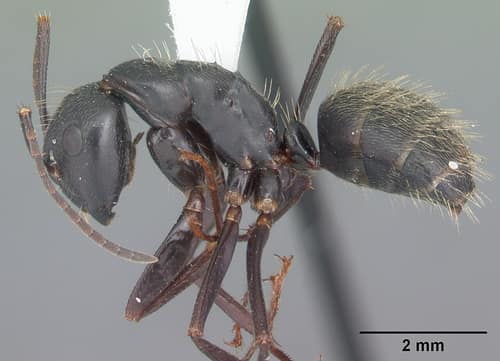
Close Relative April Nobile / CC BY 4.0 · cc-by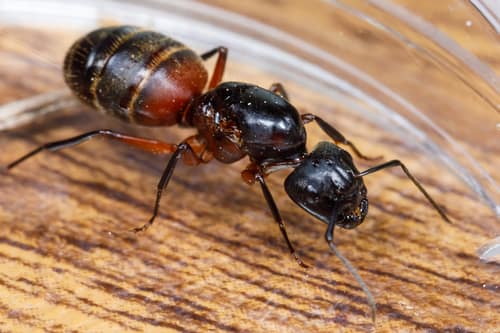
Close Relative (c) Meghan Cassidy, some rights reserved (CC BY-SA), uploaded by Meghan Cassidy · cc-by-sa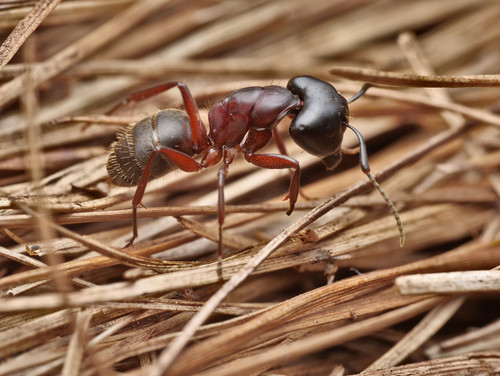
Close Relative no rights reserved, uploaded by Philipp Hoenle · cc0
Help improve the field guideSomething wrong?
Checking your Fauna account…Report a name, category, or profile issue for review.