
Insect
Large Chestnut Weevil
Curculio proboscideusAlso known as Chestnut Weevil, Greater Chestnut Weevil
Large chestnut weevils are famous for the female's astonishingly elongated snout, which often exceeds the entire length of her body. Females use this specialized tool to bore deep through spiky chestnut burs and lay eggs directly inside developing nuts. After hatching, the plump white grubs consume the inner nutmeat before chewing their way out and burrowing into the soil to overwinter.
SnoutedForest DwellerHerbivore
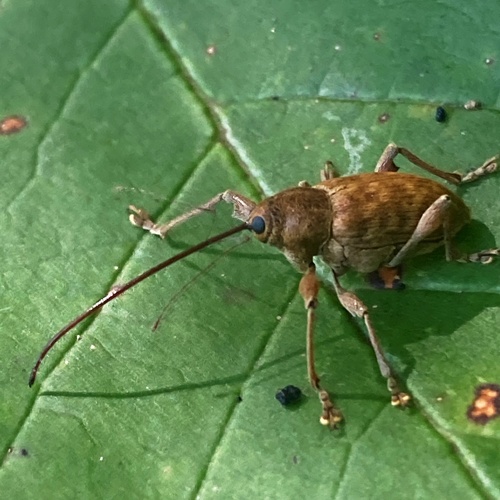
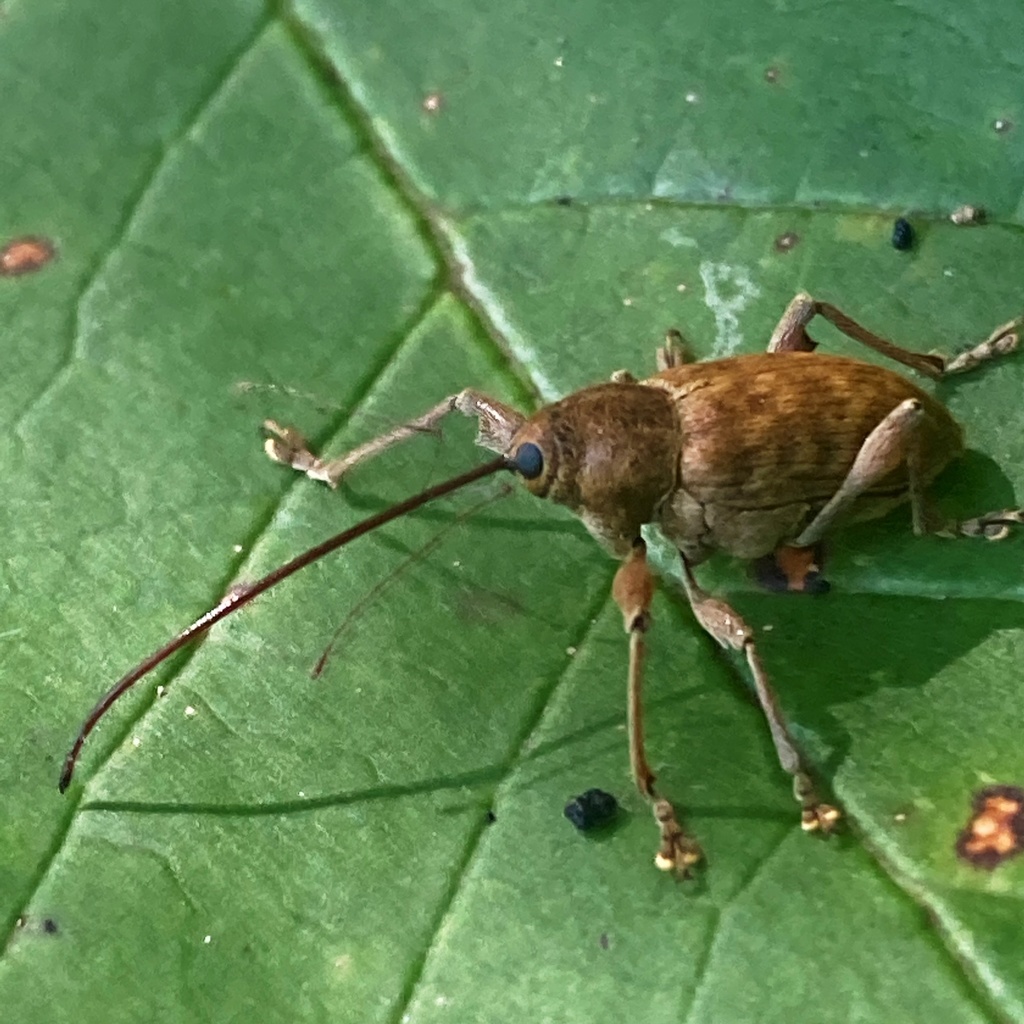
—observations
—countries
—peak records
Not EvaluatedConservation statusIUCN Red List categoriesLCNTVUENCREWEXNot Evaluated — not placed on the risk ladderRed List categories, explained →
Diet & preyHerbivore (chestnut tree tissues, pollen, and nuts)
Predators
- Birds
- Spiders
- Small rodents
ThreatsDecline of native American chestnut host trees
HabitatsDeciduous forests, chestnut groves, and wooded margins
Life span1–2 years
Classification
- FamilyCurculionidae
- SpeciesCurculio proboscideus
Range data is not available yet.
Interaction riskLow
- Low
- Moderate
- High
- Very high
- Why interaction risk is low
- Safe to observe at a normal distance.
Responsible observation
- Inspect burs: Search developing chestnut burs in late summer to spot females drilling into hulls.
- Gentle handling: Handle adults with care, as their long rostrum is delicate and easily damaged.
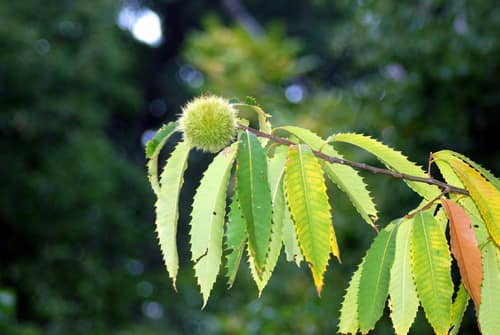
Host Plant (c) Bob MacInnes, some rights reserved (CC BY) · cc-by Image unavailable
Close Relative 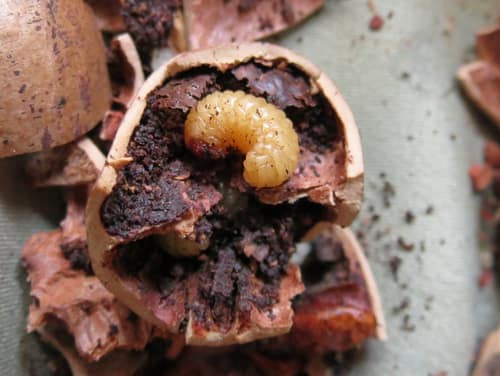
Close Relative (c) Annika Lindqvist, some rights reserved (CC BY) · cc-by
Help improve the field guideSomething wrong?
Checking your Fauna account…Report a name, category, or profile issue for review.