
Insect
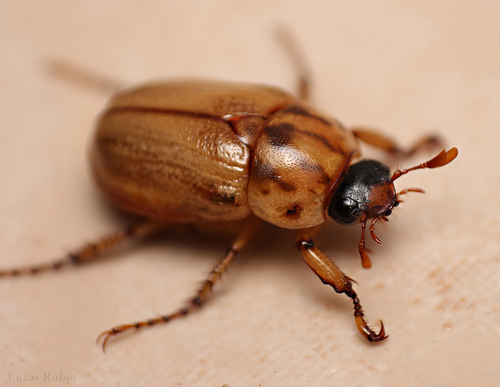
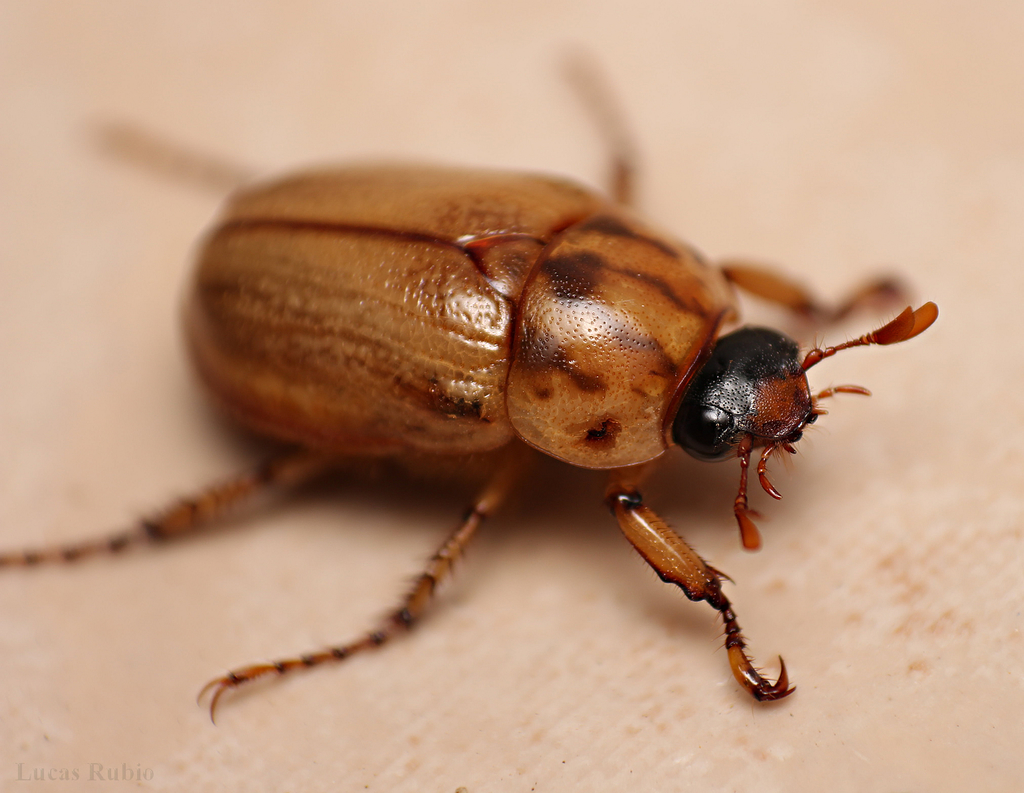
Argentinian Scarab
Cyclocephala signaticollisAlso known as Argentine Scarab, Argentine Masked Chafer
Argentinian scarabs spend the vast majority of their lifecycles underground as stout white grubs feeding on the roots of grasses and pasture plants. Adult beetles emerge en masse during warm, humid summer evenings, taking flight in chaotic swarms to mate and frequently gathering around outdoor lights. While native to the grasslands of South America, transport in soil and turf has established invasive populations in places like eastern Australia, where the grubs can severely damage lawns and sports fields.
NocturnalSubterraneanAgricultural Pest
—observations
—countries
—peak records
Not EvaluatedConservation statusIUCN Red List categoriesLCNTVUENCREWEXNot Evaluated — not placed on the risk ladderRed List categories, explained →
Diet & preyTurfgrass roots, Soil organic matter, Pasture roots
Predators
- Australian Magpie
- Long-nosed Bandicoot
- Carabid Beetle
ThreatsInsecticide treatments, entomopathogenic nematodes, and cultivation of soil
HabitatsLawns, golf courses, pastures, open grasslands, and sandy soils
Life spanAbout 1 year (10–11 months as grub, 2–4 weeks as adult)
Classification
- FamilyScarabaeidae
- SpeciesCyclocephala signaticollis
Range data is not available yet.
Interaction riskLow
- Low
- Moderate
- High
- Very high
- Why interaction risk is low
- Safe to observe at a normal distance.
Responsible observation
- Porch lights: Check illuminated exterior walls and screen doors on humid summer nights when adults fly to artificial lights.
- Lawn care: Pull back spongy, yellowing patches of lawn in late spring to spot the subterranean grubs curled beneath the surface.
 Image unavailable
Competitor 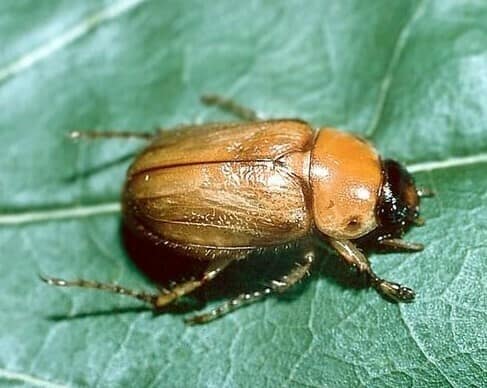
Close Relative (c) Kansas Department of Agriculture, Bugwood.org, some rights reserved (CC BY) · cc-by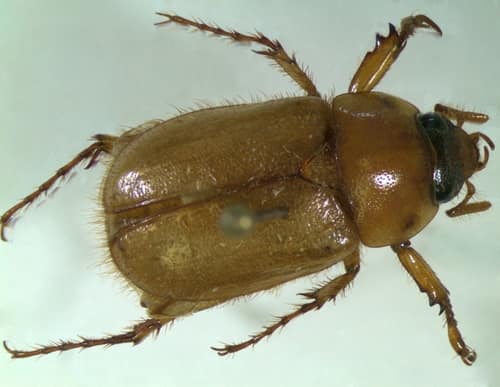
Close Relative (c) Mike Reding & Betsy Anderson, USDA Agricultural Research Service, Bugwood.org, some rights reserved (CC BY-SA) · cc-by-saSame Family
Help improve the field guideSomething wrong?
Checking your Fauna account…Report a name, category, or profile issue for review.