
Insect · GBIF taxon 4993042
Forest-ogre June Beetle
Phyllophaga anxiaAlso known as Cranberry White Grub, Common June Beetle
Forest-ogre June beetles spend up to three years underground as plump, C-shaped grubs feeding on subterranean plant roots before emerging as glossy adults. On warm summer nights, heavy reddish-brown adults take flight toward artificial lights, often clumsily tumbling onto porches or window screens. Their adult feeding on hardwood foliage and larval grazing on grass and fruit roots make them significant forest soil recyclers.
NocturnalAttracted to LightForest Dweller
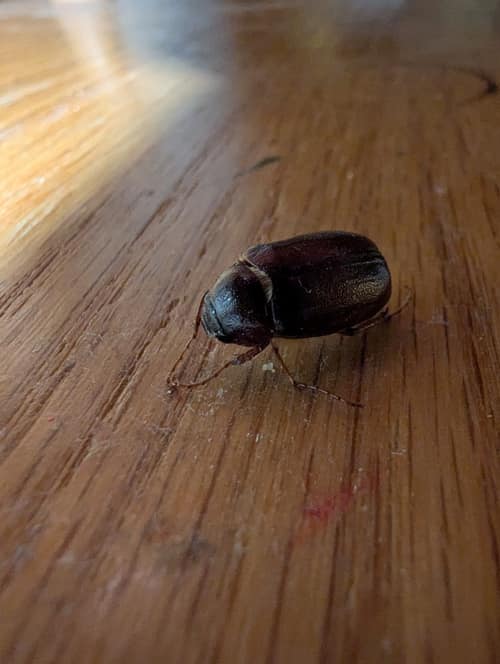
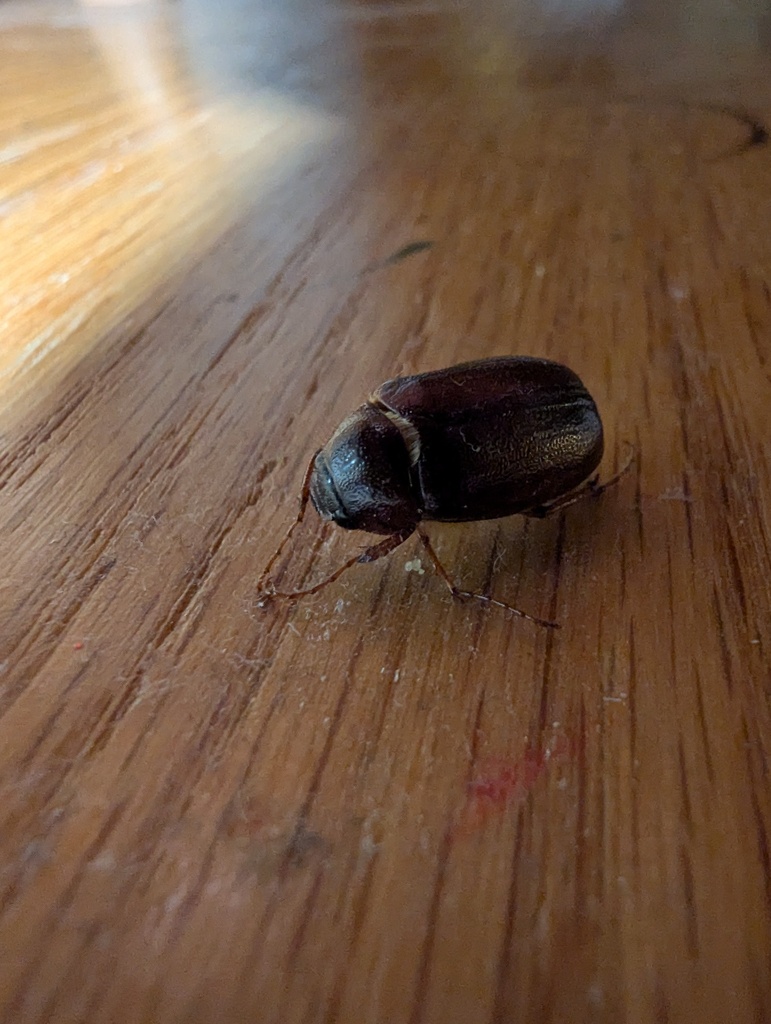
—observations
—countries
—peak records
Not EvaluatedConservation statusIUCN Red List categoriesLCNTVUENCREWEXNot Evaluated — not placed on the risk ladderRed List categories, explained →
Diet & prey
- Hardwood Leaves
- Grass Roots
- Cranberry Roots
Predators
- Skunks
- Birds
- Toads
ThreatsPesticide usage, intense soil tillage, and light pollution
HabitatsDeciduous forests, agricultural fields, meadows, and cranberry bogs
Life span3 to 4 years
Classification
- OrderColeoptera
- FamilyScarabaeidae
- GenusPhyllophaga
- SpeciesPhyllophaga anxia
Range data is not available yet.
Interaction riskLow
- Low
- Moderate
- High
- Very high
- Why interaction risk is low
- Safe to observe at a normal distance.
Responsible observation
- Night Spotting: Look around outdoor porch lights or illuminated windows on warm early summer evenings.
- Soil Digging: Uncover C-shaped white grubs in lawn turf or forest leaf litter while gardening.
- Gentle Flipping: Right beetles that get stuck on their backs on smooth patio surfaces.
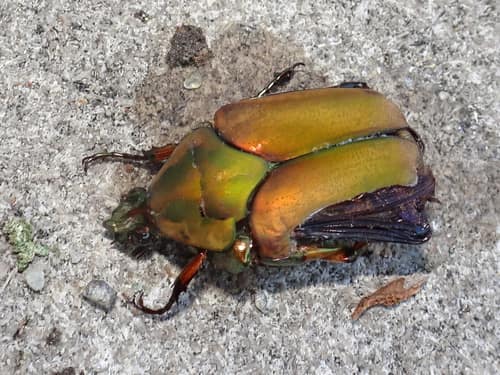
Cousin (c) Thomas Koffel, some rights reserved (CC BY), uploaded by Thomas Koffel · cc-by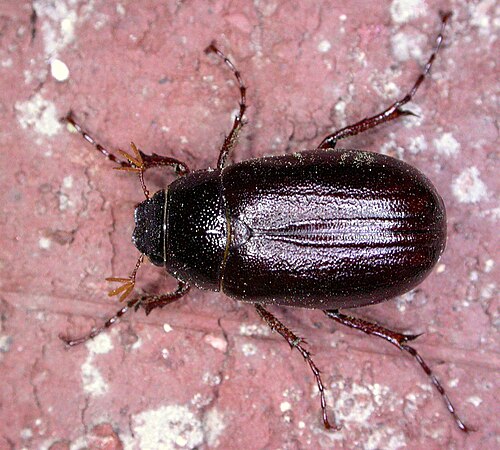
Close Relative Patrick Coin (Patrick Coin) / CC BY-SA 2.5 · cc-by-sa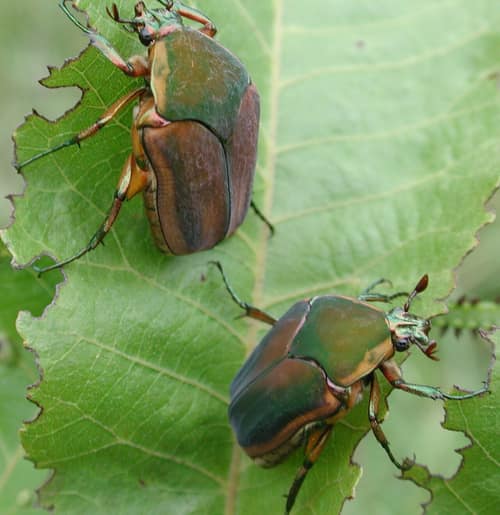
Close Relative Coveredinsevindust at English Wikipedia / CC BY-SA 3.0 · cc-by-sa
Help improve the field guideSomething wrong?
Checking your Fauna account…Report a name, category, or profile issue for review.