
Insect
Large Spotted Ladybird
Harmonia conformisAlso known as Common Spotted Ladybird
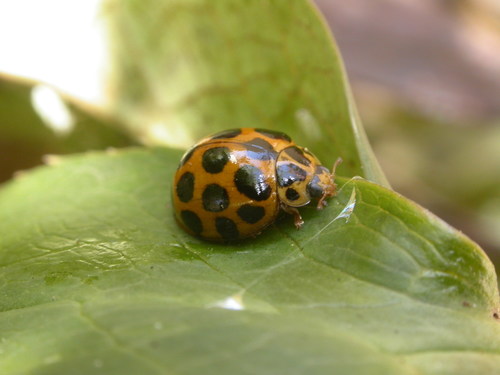
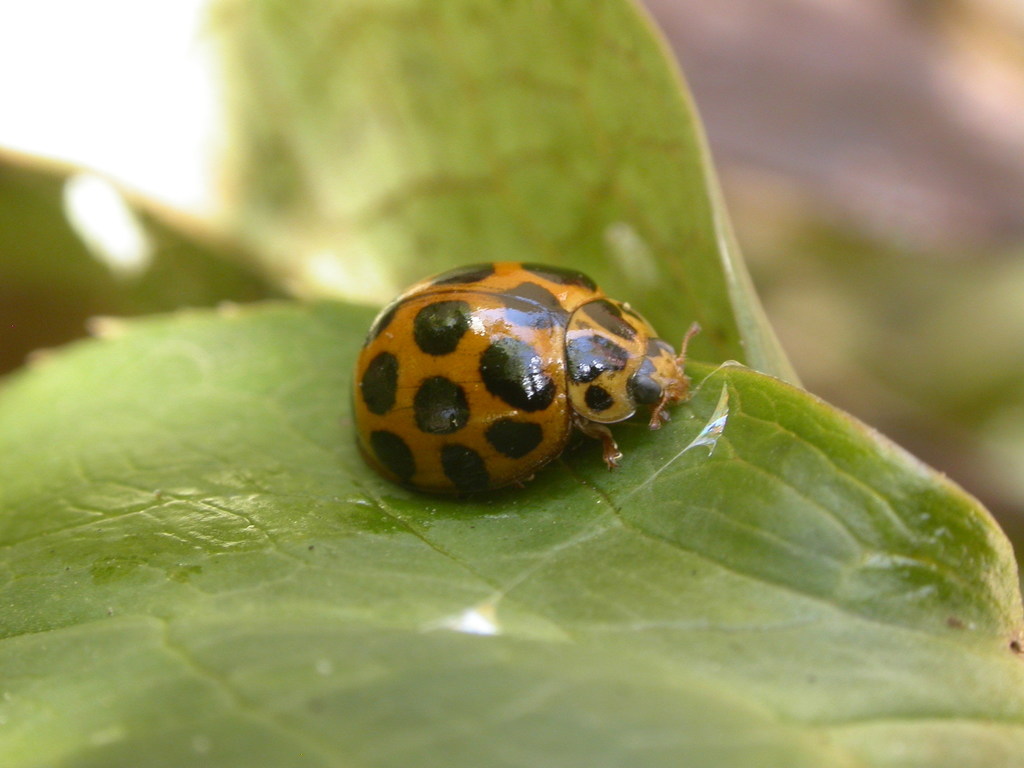
Large spotted ladybirds patrol gardens, orchards, and woodlands across Australia and northern New Zealand in search of aphid colonies. Both the spiny black-and-orange larvae and the glossy, 20-spotted adults are voracious predators, devouring dozens of sap-sucking insects each day. When startled, these beetles reflex-bleed a foul-tasting yellowish fluid from their leg joints to deter birds and spiders.
PredatorySpottedDiurnal
—observations
—countries
—peak records
Not EvaluatedConservation statusIUCN Red List categoriesLCNTVUENCREWEXNot Evaluated — not placed on the risk ladderRed List categories, explained →
Diet & preyAphids, Scale insects, Psyllids
Predators
- Insectivorous birds
- Spiders
- Assassin bugs
ThreatsBroad-spectrum insecticides, habitat loss, and competition from introduced ladybirds
HabitatsGardens, orchards, woodlands, grasslands, and crops across Australia and New Zealand
Life spanSeveral months to 1 year as an adult
Classification
- OrderColeoptera
- FamilyCoccinellidae
- GenusHarmonia
- SpeciesHarmonia conformis
Range data is not available yet.
Interaction riskLow
- Low
- Moderate
- High
- Very high
- Why interaction risk is low
- Safe to observe at a normal distance.
Responsible observation
- Where to Look: Check the undersides of leaves and young shoots infested with aphids.
- Gentle Handling: Avoid picking them up roughly, as they release yellow defensive fluid when alarmed.
- Garden Support: Skip broad-spectrum pesticides to let larvae and adults control plant pests naturally.
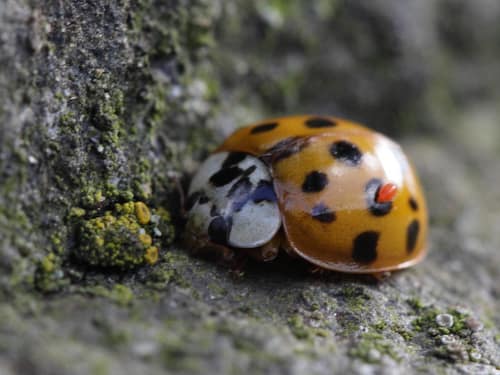
Competitor "Asian Lady Beetle in Central-Germany & a mite" by gbohne is licensed under CC BY-SA 2.0. To view a copy of this license, visit https://creativecommons.org/licenses/by-sa/2.0/. · cc-by-sa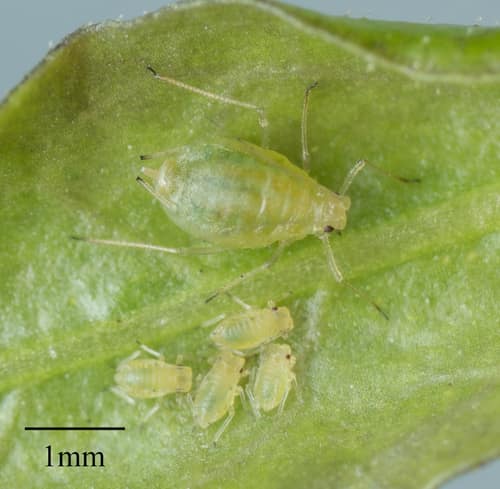
Prey no rights reserved, uploaded by Jesse Rorabaugh · cc0 Image unavailable
Close Relative 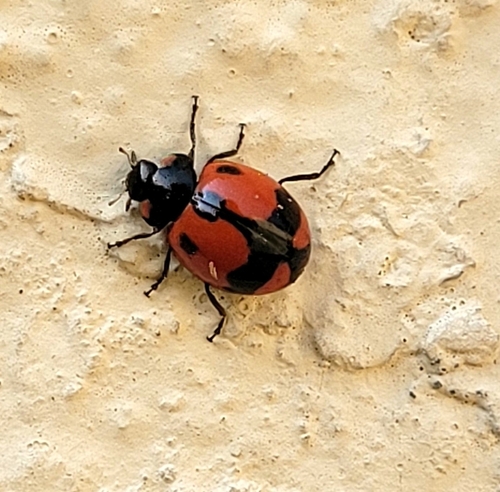
Same Family no rights reserved, uploaded by Jaya Rakesh · cc0
Keep collecting in Fauna
Found in Collections
Ecosystem chain Pro
Mystic Meadows
Large Spotted Ladybird is found in this collection. Identify it in Fauna to fill this slot and continue your progress.
Unlock to track progress
Help improve the field guideSomething wrong?
Checking your Fauna account…Report a name, category, or profile issue for review.