
Invertebrate · GBIF taxon 4976013
Alkaidia sumralli
Alkaidia sumralliAlkaidia sumralli was a prehistoric predatory sea star that crawled along the shallow carbonate seafloors of the western Tethys Ocean during the Cretaceous period. Preserved fossil specimens from Texas reveal slender, flexible arms lined with robust marginal ossicles adapted for navigating soft marine sediment. Like modern paxillosid sea stars, it likely prowled the seabed hunting infaunal invertebrates or scavenging organic detritus.
PrehistoricFossilMarine
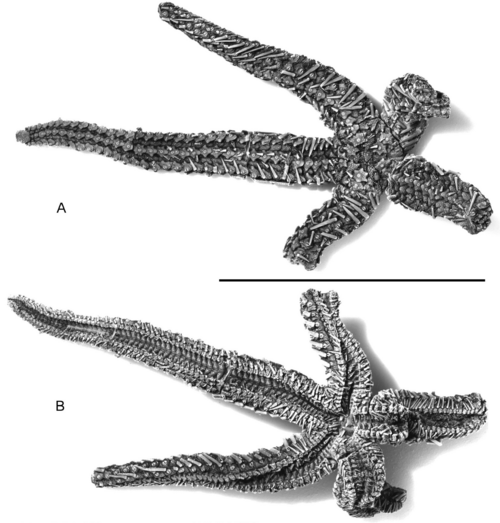
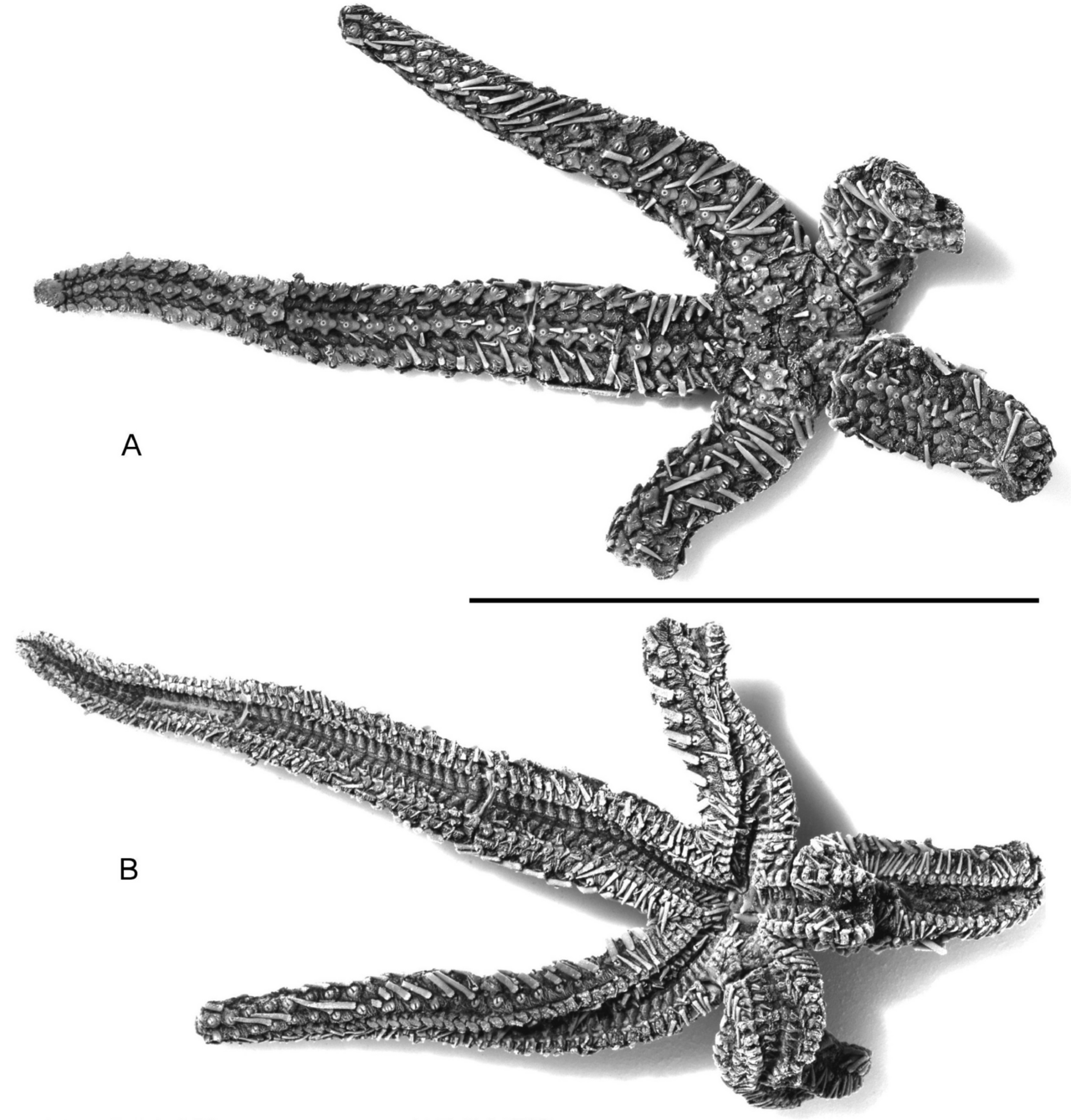
Licensed referenceGale & Jagt (2021) / CC BY 4.0 · cc-by
—observations
—countries
—peak records
ExtinctConservation statusIUCN Red List categoriesLCNTVUENCREWEXExtinctRed List categories, explained →
Diet & prey
- Bivalves
- Small marine gastropods
- Sediment-dwelling worms
Predators
- Ptychodus
- Ammonites
- Pycnodont fish
ThreatsCretaceous marine environmental shifts and eventual extinction
HabitatsWarm shallow marine shelves and carbonate seafloors
Life span5–15 years (estimated based on modern sea stars)
Classification
- FamilyPaleobenthopectinidae
- SpeciesAlkaidia sumralli
Range data is not available yet.
Interaction riskLow
- Low
- Moderate
- High
- Very high
- Why interaction risk is low
- Extinct species known only from Cretaceous fossil remains.
Responsible observation
- Fossil viewing: Look for specimens in regional natural history and university paleontological collections.
- Field identification: Watch for articulated star-shaped ossicle impressions in Cretaceous limestone outcrops.
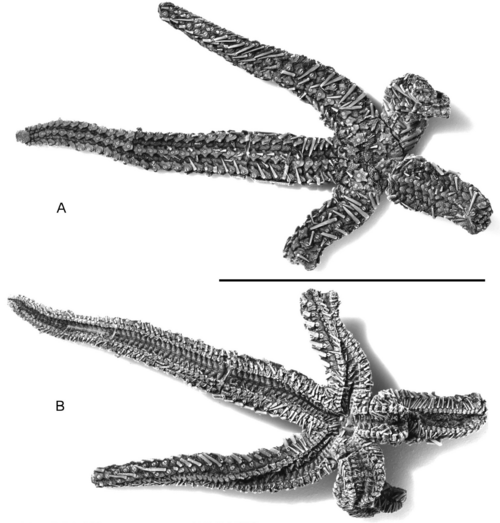
Close Relative Gale & Jagt (2021) / CC BY 4.0 · cc-by Image unavailable
Same Family
Help improve the field guideSomething wrong?
Checking your Fauna account…Report a name, category, or profile issue for review.