
Amphibian
Syndyodosuchus tetricus
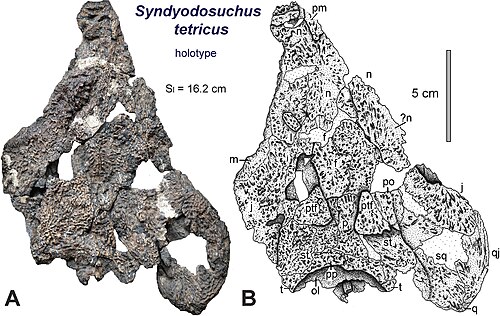
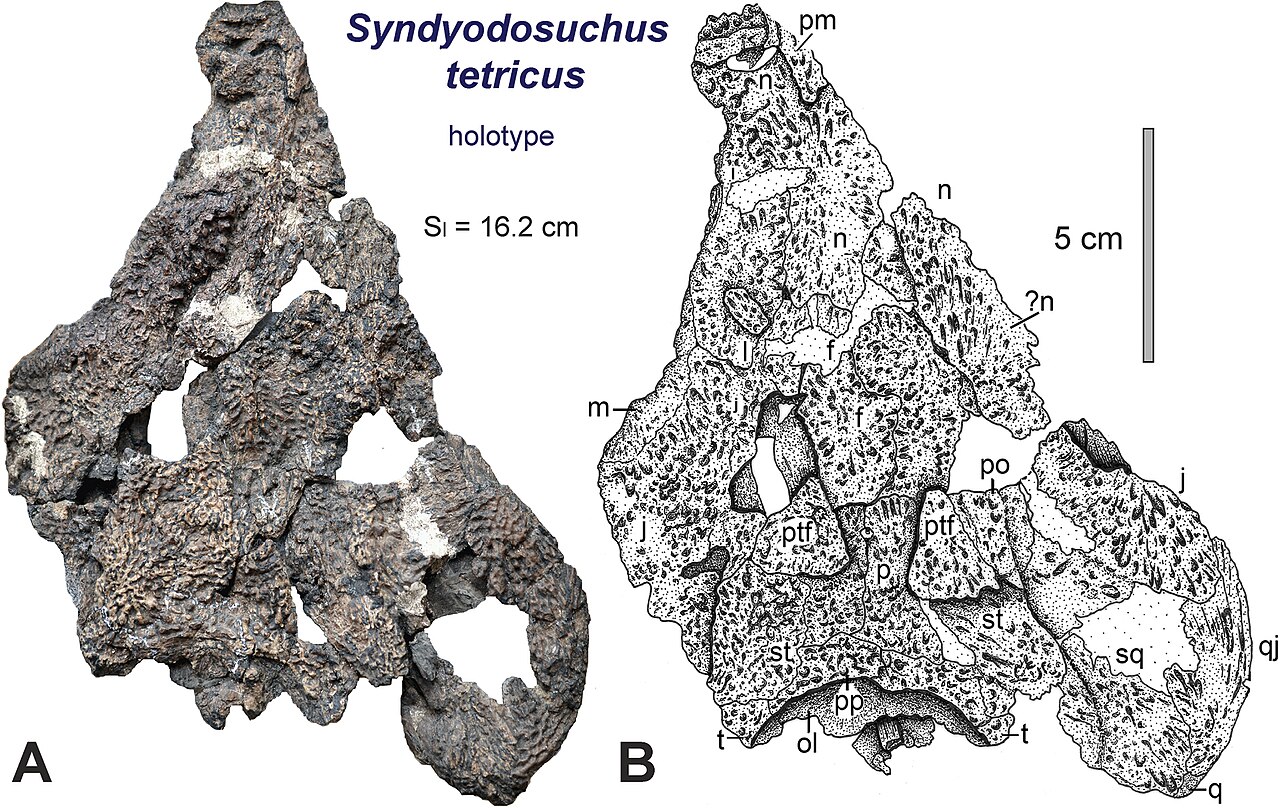
Syndyodosuchus tetricusSyndyodosuchus tetricus was a slender, predatory temnospondyl amphibian that hunted along freshwater river deltas and floodplains during the Middle Permian. Equipped with a moderately elongated, flattened skull lined with recurved teeth, it operated much like a small crocodilian by ambushing fish and smaller aquatic tetrapods from shallow margins. Fossil specimens preserved in the coal-bearing Inta Formation highlight its specialization for life in temperate, swampy wetland systems of ancient European Russia.
PrehistoricCarnivoreFossil
—observations
—countries
—peak records
ExtinctConservation statusIUCN Red List categoriesLCNTVUENCREWEXExtinctRed List categories, explained →
Diet & preyPalaeoniscoid fish, Smaller aquatic amphibians, Aquatic invertebrates
Predators
- Larger temnospondyls
- Early predatory therapsids
ThreatsEnvironmental changes and Permian climate shifts (prehistoric extinction)
HabitatsPermian river systems, oxbow lakes, and deltaic swamps
Life spanUnknown (estimated 10–20 years)
Classification
- FamilyIntasuchidae
- SpeciesSyndyodosuchus tetricus
Range data is not available yet.
Interaction riskLow
- Low
- Moderate
- High
- Very high
- Why interaction risk is low
- Extinct species; known exclusively from Permian fossil remains.
Responsible observation
- Fossil Observation: Study prepared cranial material and diagnostic tooth rows in regional museum paleontology collections.
- Stratigraphic Context: Look for associated fauna in siltstones and sandstones from Middle Permian coal-bearing formations.
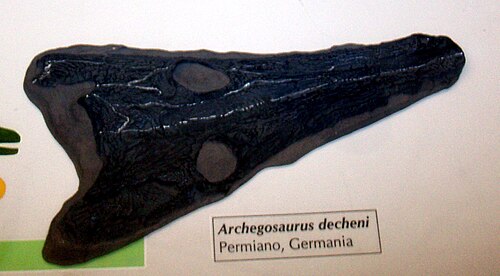
Related Temnospondyl Ghedoghedo / CC BY-SA 3.0 · cc-by-sa Image unavailable
Related Temnospondyl Close Relative
Help improve the field guideSomething wrong?
Checking your Fauna account…Report a name, category, or profile issue for review.