
Species
Clepsydrops limbatus
Clepsydrops limbatusDimetrodon limbatus roamed early Permian equatorial floodplains as one of the earliest dominant terrestrial apex predators. Towering neural spines supported an expansive dorsal sail, deeply scored with grooves for blood vessels that likely assisted in rapid thermoregulation and visual courtship displays. Its differentiated heterodont teeth allowed it to easily shear through the tough hide of contemporary amphibians and early reptiles.
CarnivoreFossilPrehistoric
—observations
—countries
—peak records
ExtinctConservation statusIUCN Red List categoriesLCNTVUENCREWEXExtinctRed List categories, explained →
Diet & preyEryops, Diadectes, Xenacanth sharks
ThreatsClimate shifts and ecological succession (extinct)
HabitatsPermian floodplains, delta systems, and river margins
Life spanEstimated 20–30 years
Classification
- FamilySphenacodontidae
- SpeciesClepsydrops limbatus
Range data is not available yet.
Interaction riskLow
- Low
- Moderate
- High
- Very high
- Why interaction risk is low
- Extinct fossil species; safe to observe in museum collections.
Responsible observation
- Museum Exhibits: Examine Permian red-bed skeletal mounts to see the distinct heterodont teeth.
- Fossil Viewing: Look for fine vascular channels preserved along the elongate neural spines.
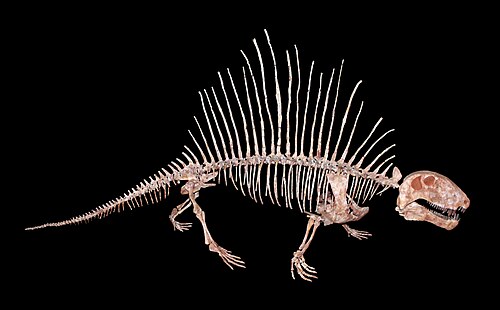
Same Genus H. Zell / CC BY-SA 3.0 · cc-by-sa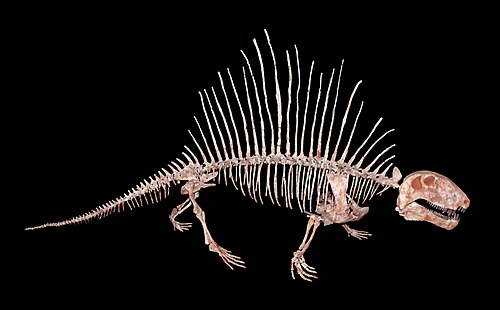
Same Genus H. Zell / CC BY-SA 3.0 · cc-by-sa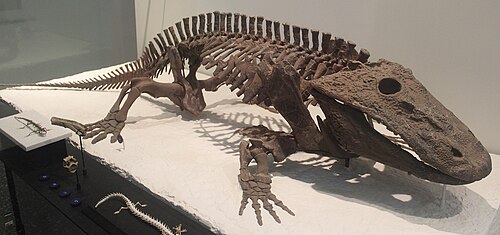
Prey jonathan Chen / CC BY-SA 4.0 · cc-by-sa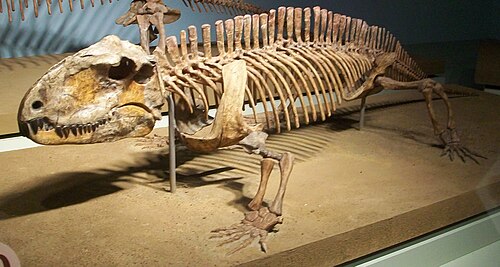
Close Relative Smokeybjb / CC BY-SA 3.0 · cc-by-sa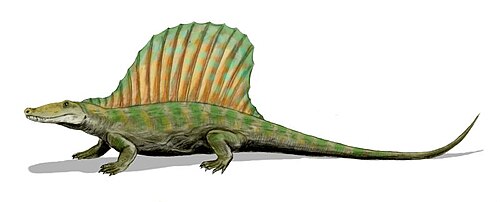
Same Family Nobu Tamura (https://spinops.blogspot.com) / CC BY 2.5 · cc-by
Help improve the field guideSomething wrong?
Checking your Fauna account…Report a name, category, or profile issue for review.