
Mammal
Didelphodon vorax
Didelphodon voraxDidelphodon vorax prowled the riverbanks and coastal floodplains of Late Cretaceous North America, wielding one of the most powerful crushing bite forces relative to body mass known among mammals. Its heavy, bulbous premolars easily shattered turtle shells, thick-scaled fish, and freshwater mollusks, functioning in a manner remarkably similar to modern sea otters or Tasmanian devils. Skeletal adaptations suggest a flexible, semi-aquatic swimmer capable of pursuing prey in murky streams as well as scavenging carcasses across dinosaur-dominated landscapes.
PrehistoricCarnivore
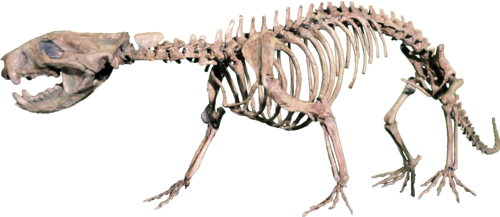
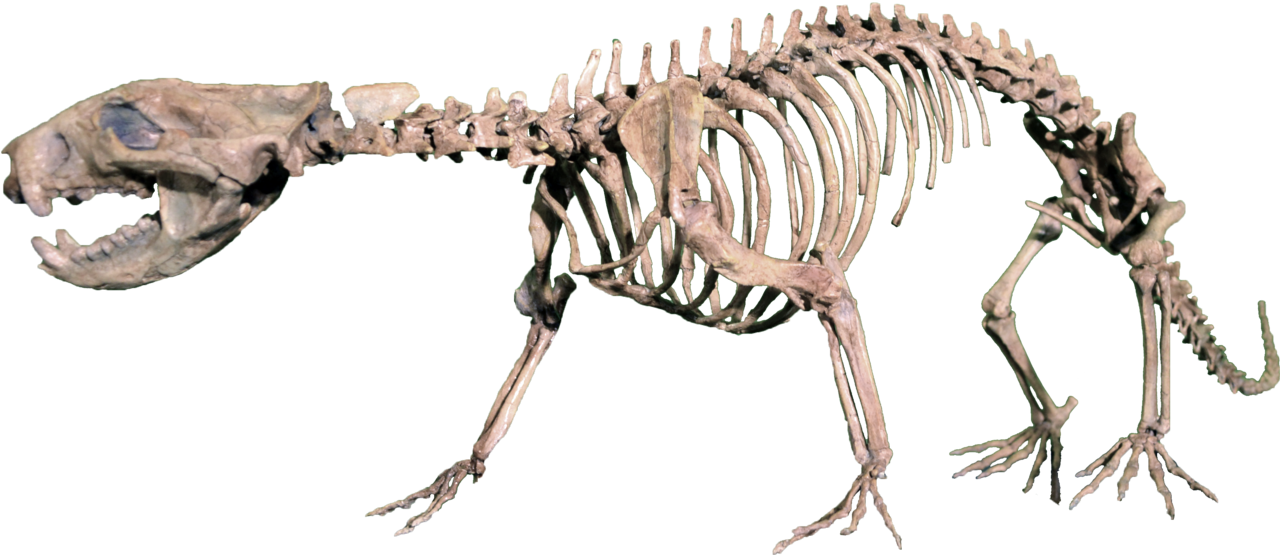
—observations
—countries
—peak records
ExtinctConservation statusIUCN Red List categoriesLCNTVUENCREWEXExtinctRed List categories, explained →
Diet & preyFreshwater mussels, Small turtles, Dinosaur hatchlings and eggs
Predators
- Dakotaraptor steini
- Juvenile Tyrannosaurus rex
- Borealosuchus sternbergii
ThreatsCretaceous-Paleogene extinction event
HabitatsRiparian floodplains, swamp forests, and river channels
Life span4–8 years (estimated)
Classification
- FamilyStagodontidae
- SpeciesDidelphodon vorax
Range data is not available yet.
Interaction riskLow
- Low
- Moderate
- High
- Very high
- Why interaction risk is low
- Extinct species known only from Cretaceous fossils; safe to observe in museum exhibits.
Responsible observation
- Museum Exhibits: Examine fossil jaw specimens to view the massive, bulbous crushing premolars.
- Field Discovery: Inspect Hell Creek microvertebrate matrix under magnification for thick enamel tooth caps.
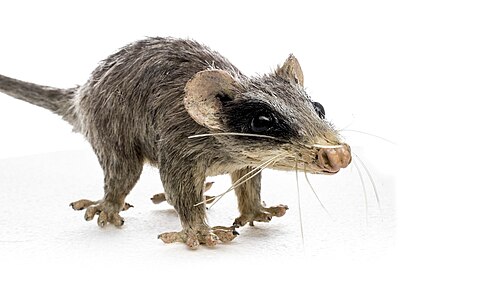
Cretaceous Neighbor Wikimedia Commons / CC BY-SA 3.0 · cc-by-sa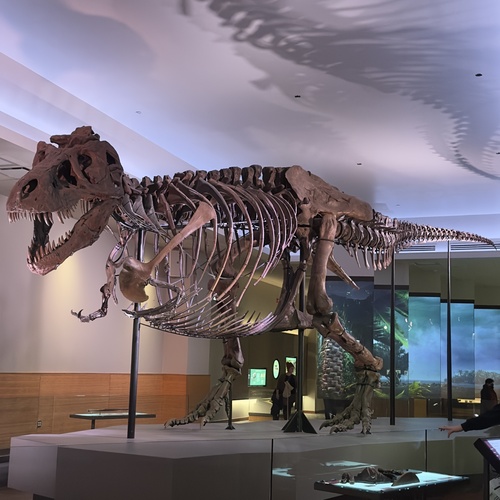
Apex Predator no rights reserved, uploaded by wilderbombyx · cc0 Image unavailable
Close Relative Close Relative
Help improve the field guideSomething wrong?
Checking your Fauna account…Report a name, category, or profile issue for review.