
Mammal · GBIF taxon 4974885
Key-foot Glyptodon
Glyptodon clavipesGlyptodons grazed the open savannas and floodplains of South America inside an immovable, domed carapace made of more than one thousand fused bony scutes. Deep jaws and specialized, high-crowned teeth enabled them to crush abrasive grasses and fibrous vegetation down to pulp. When cornered by apex predators, these armored giants retracted their heads under protective skull caps and swung heavy, ringed tails in defense.
MegafaunaArmored
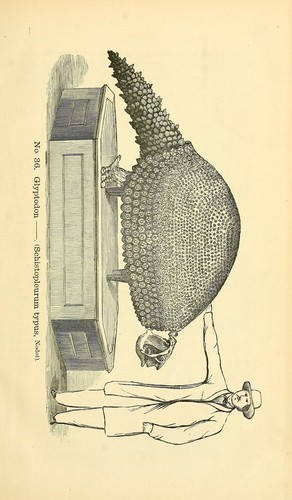
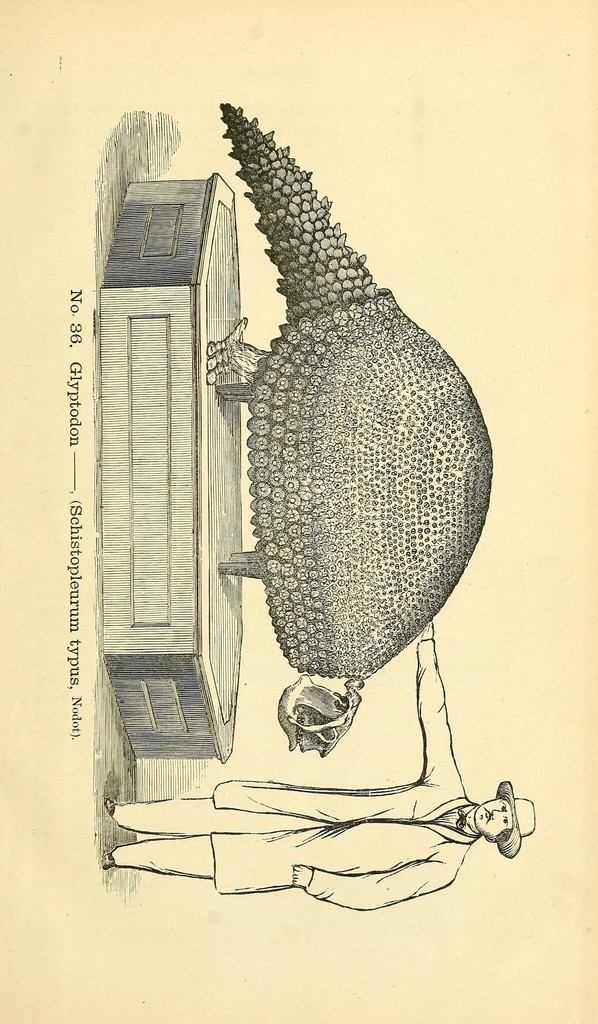
Licensed reference(c) Biodiversity Heritage Library, some rights reserved (CC BY) · cc-by
—observations
—countries
—peak records
ExtinctConservation statusIUCN Red List categoriesLCNTVUENCREWEXExtinctRed List categories, explained →
Diet & prey
- Grasses
- Sedges
- Herbaceous Roots
Predators
- Saber-toothed Cat (Smilodon populator)
- Early Humans (Homo sapiens)
ThreatsLate Quaternary climatic shifts and human hunting
HabitatsPleistocene grasslands, savannas, and dry scrublands
Life spanEstimated 30–50 years
Classification
- OrderCingulata
- FamilyGlyptodontidae
- GenusGlyptodon
- SpeciesGlyptodon clavipes
Range data is not available yet.
Interaction riskHigh
- Low
- Moderate
- High
- Very high
- Why interaction risk is high
- Extinct species; observable only as fossil museum specimens.
Responsible observation
- Fossil Viewing: Examine complete fossil carapaces in natural history museum collections to see the distinctive rosette osteoderm patterns.
- Field Reporting: Leave potential Quaternary fossils in place and notify local paleontological authorities immediately.
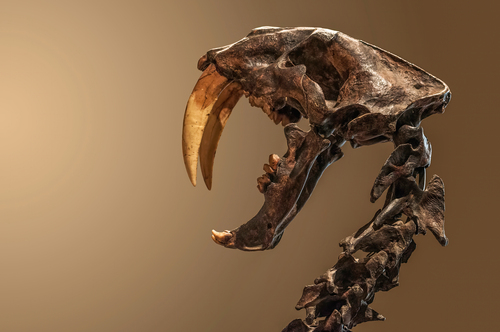
Predator (c) Wilfredor, some rights reserved (CC BY-SA) · cc-by-sa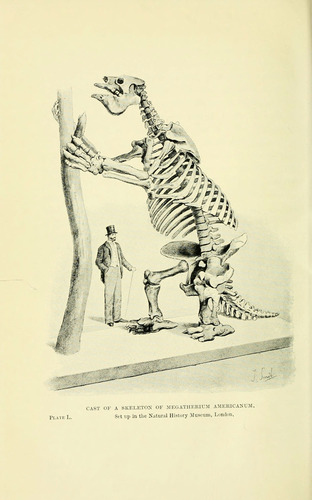
Competitor (c) Biodiversity Heritage Library, some rights reserved (CC BY) · cc-by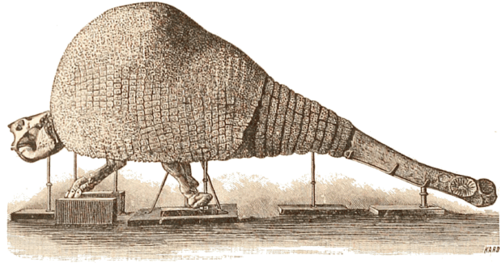
Close Relative JAMES D. DANA / Public domain · cc0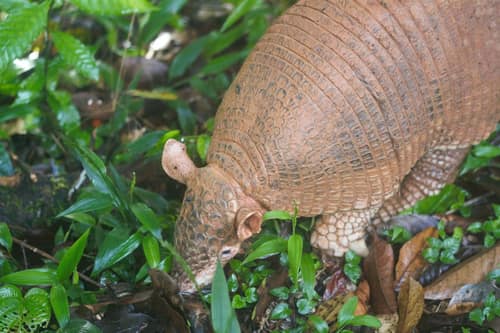
Living Relative Guillaume Delaitre / CC BY 4.0 · cc-by
Help improve the field guideSomething wrong?
Checking your Fauna account…Report a name, category, or profile issue for review.