
Mammal
Macrauchenia patachonica
Macrauchenia patachonicaAlso known as Patagonian Macrauchenia
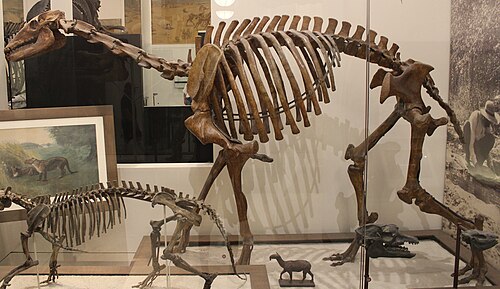
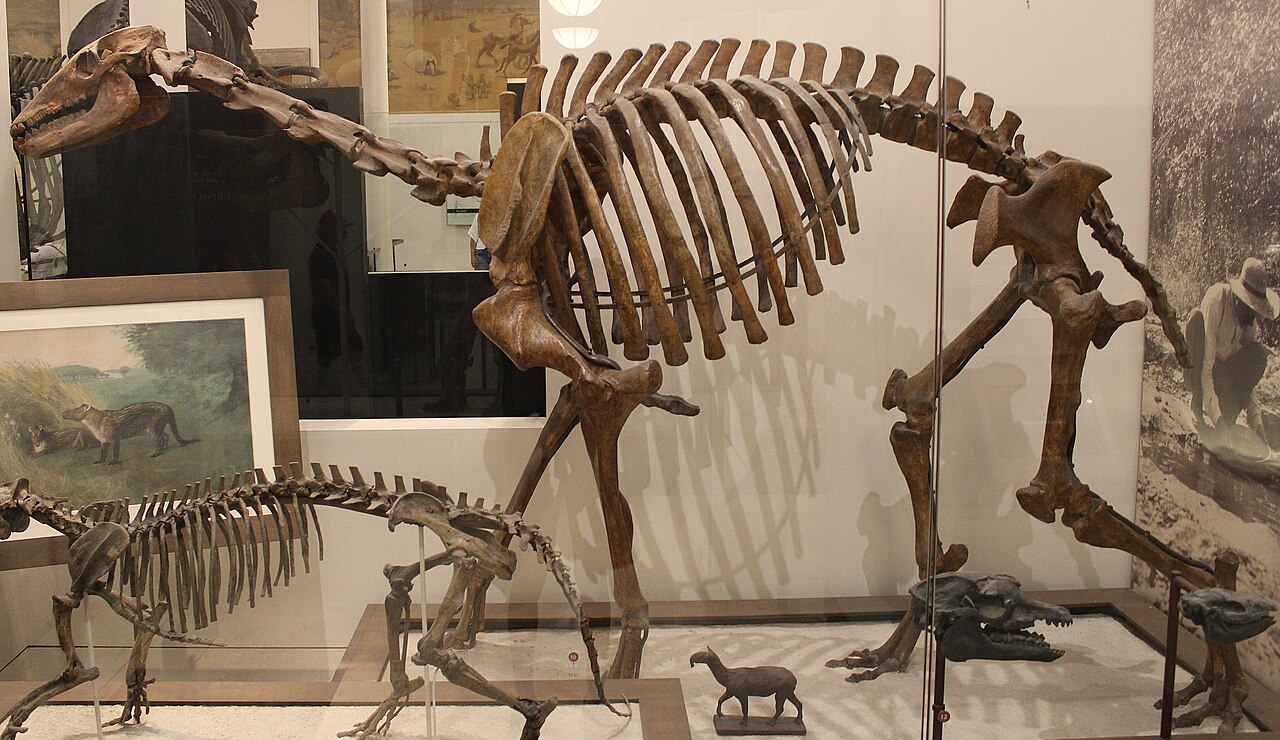
Macrauchenia patachonica was a bizarre herbivore that roamed Pleistocene South America, combining a camel-like body and long neck with three-toed feet and an unusual dorsal nasal opening. While long depicted with a fleshy tapir-like trunk, modern biomechanical studies suggest a prehensile upper lip or bulbous dust-filtering nose adapted to arid, dusty plains. As one of the very last litopterns, it coexisted with immigrant North American megafauna before vanishing entirely during the Quaternary extinction event.
PrehistoricHerbivore
—observations
—countries
—peak records
ExtinctConservation statusIUCN Red List categoriesLCNTVUENCREWEXExtinctRed List categories, explained →
Diet & preyShrub browse, Hard steppe grasses, Tree foliage
Predators
- Smilodon populator
- Homo sapiens
ThreatsAbrupt climate changes, vegetation shifts, and early human hunting
HabitatsPleistocene grasslands, shrubby steppes, and open woodlands
Life spanEstimated 20–30 years
Classification
- FamilyMacraucheniidae
- SpeciesMacrauchenia patachonica
Range data is not available yet.
Interaction riskLow
- Low
- Moderate
- High
- Very high
- Why interaction risk is low
- Extinct species; safe to examine as fossil and skeletal material.
Responsible observation
- Skull Inspection: Look for the retracted nasal cavity located unusually high between the eye sockets.
- Foot Structure: Notice the three functional hooved toes, a hallmark trait separating litopterns from modern camels.
 Image unavailable
Contemporary Neighbor 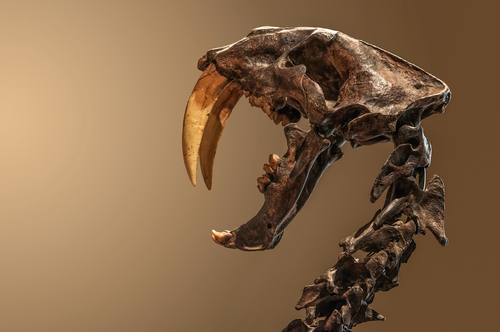
Predator (c) Wilfredor, some rights reserved (CC BY-SA) · cc-by-saClose Relative
Help improve the field guideSomething wrong?
Checking your Fauna account…Report a name, category, or profile issue for review.