
Mammal
Gypsonictops hypoconus
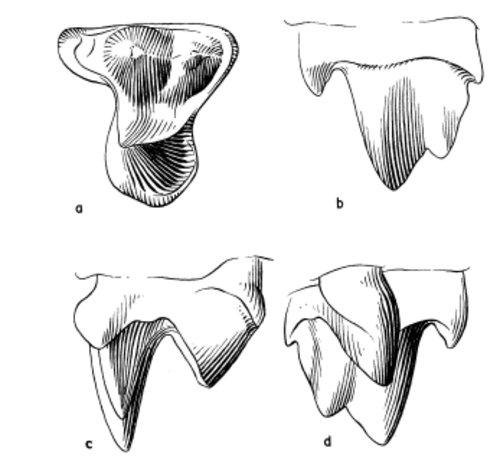
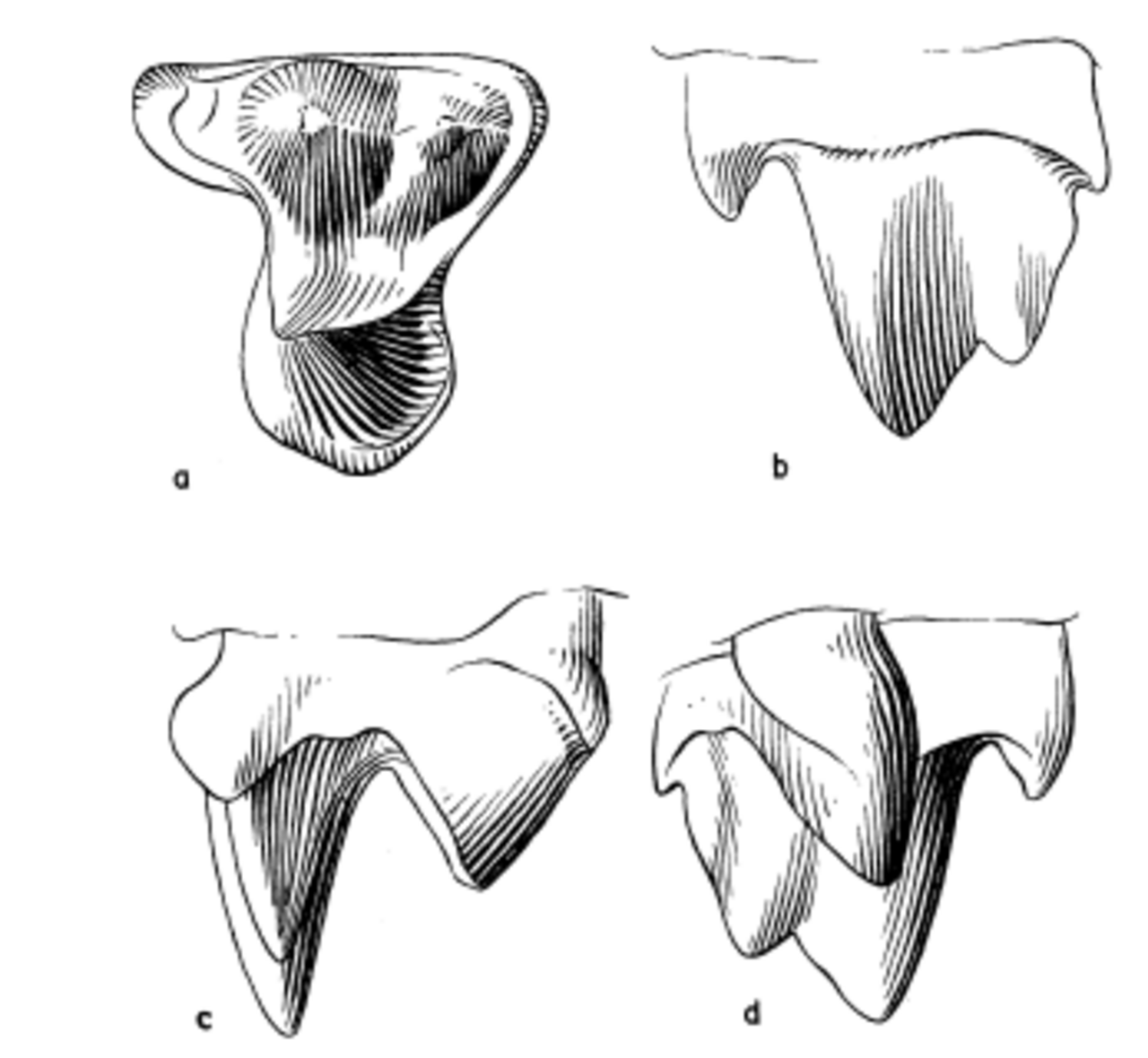
Gypsonictops hypoconusGypsonictops hypoconus was a small, shrew-sized mammal that scurried through the undergrowth of Late Cretaceous North America alongside dinosaurs. Known from fossilized teeth and jaw fragments in formations such as Lance and Hell Creek, it possessed sharp, high-cusped molars built for crunching insects and other invertebrates. As one of the earliest well-documented eutherian mammals, its dental anatomy offers a rare window into early placental-line evolution just before the end-Cretaceous extinction.
InsectivoreCretaceous
—observations
—countries
—peak records
ExtinctConservation statusIUCN Red List categoriesLCNTVUENCREWEXExtinctRed List categories, explained →
Diet & preyBeetles, Spiders, Insect larvae
Predators
- Small theropod dinosaurs
- Cretaceous lizards
- Early crocodilians
ThreatsExtinct; vanished during the Cretaceous-Paleogene extinction event
HabitatsLate Cretaceous coastal floodplains, forests, and riverine undergrowth of North America
Life spanUnknown (likely 1–3 years based on similarly sized small mammals
Classification
- FamilyGypsonictopidae
- SpeciesGypsonictops hypoconus
Range data is not available yet.
Interaction riskLow
- Low
- Moderate
- High
- Very high
- Why interaction risk is low
- Extinct species known only from fossils; safe to examine in museum collections.
Responsible observation
- Museum Viewing: Look for microfossils or casts in Late Cretaceous North American mammal exhibits.
- Fossil Identification: Molars show tall, sharp cusps adapted for shearing insect exoskeletons.
- Stratigraphy: Remains occur primarily in Campanian and Maastrichtian deposits of western North America.
 Image unavailable
Neighbor 
Predator MCDinosaurhunter / CC BY-SA 3.0 · cc-by-saClose Relative
Help improve the field guideSomething wrong?
Checking your Fauna account…Report a name, category, or profile issue for review.