
Mammal
Amphicyon major
Amphicyon majorAlso known as Bear-Dog, European Bear-Dog, Giant Bear-Dog
Amphicyon major was an imposing apex predator of the middle Miocene, combining the heavy, plantigrade limbs of a bear with the skull structure and tail of a canid. Its robust dentition and reinforced jaw muscles allowed it to crush large bones, enabling it to fully consume substantial ungulate carcasses. Solitary or small-group hunting across mosaic woodlands allowed these powerful carnivorans to dominate Eurasian food webs for millions of years.
CarnivorePrehistoric
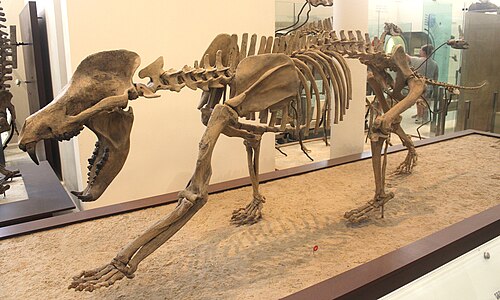
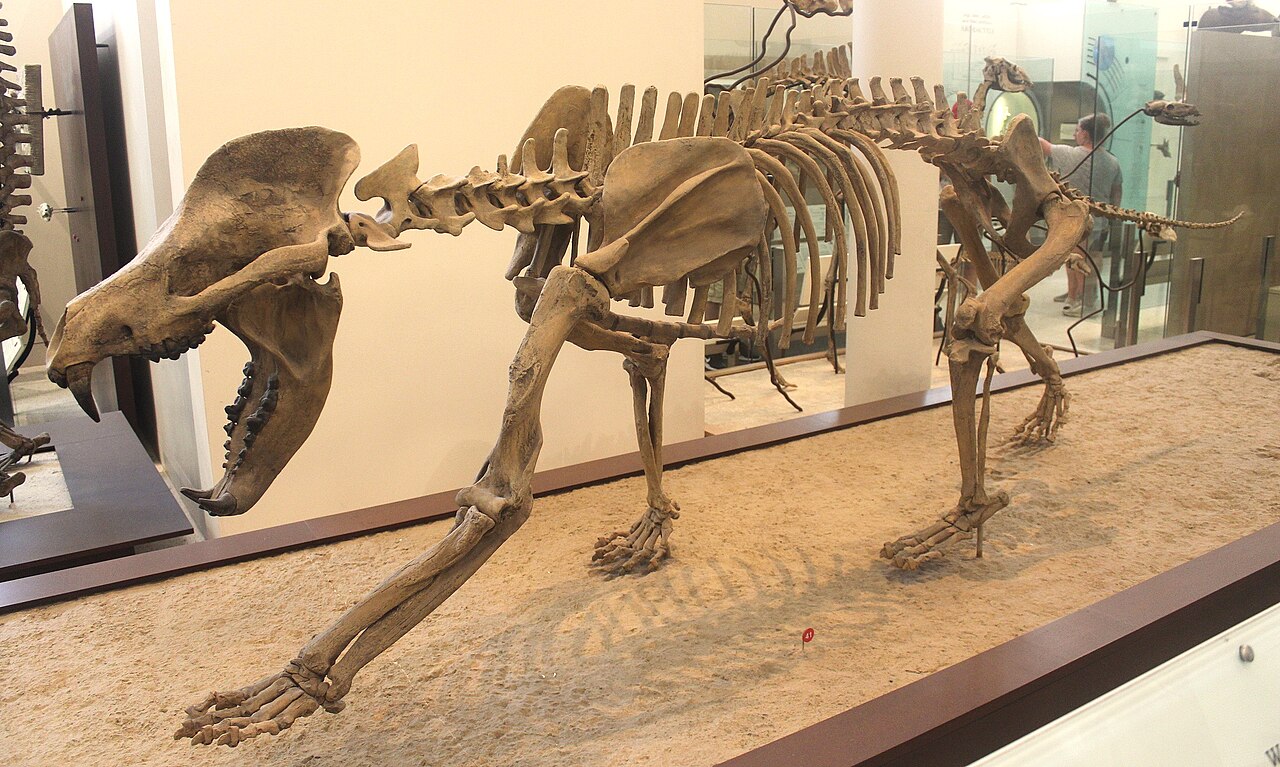
—observations
—countries
—peak records
ExtinctConservation statusIUCN Red List categoriesLCNTVUENCREWEXExtinctRed List categories, explained →
Diet & preyAceratherium incisivum, Gomphotherium angustidens, Chalicotherium grande
ThreatsClimatic cooling, ecological turnover, and floral restructuring
HabitatsMosaic woodlands, floodplains, and warm temperate scrublands
Life spanApproximately 15–25 years
Classification
- OrderCarnivora
- FamilyAmphicyonidae
- GenusAmphicyon
- SpeciesAmphicyon major
Range data is not available yet.
Interaction riskLow
- Low
- Moderate
- High
- Very high
- Why interaction risk is low
- Extinct prehistoric species known exclusively from fossil remains.
Responsible observation
- Fossil Study: Examine museum skeletal mounts to observe the blend of bear and dog skeletal anatomy.
- Taphonomic Context: Look for bone fragments exhibiting distinctive crushed damage in Miocene deposits.
 Image unavailable
Prey Prey Competitor Close Relative Same Family
Help improve the field guideSomething wrong?
Checking your Fauna account…Report a name, category, or profile issue for review.