
Species
Champsosaurus albertensis
Champsosaurus albertensisChampsosaurus albertensis was a specialized aquatic choristodere resembling modern gharials, featuring an elongated snout lined with needle-like teeth designed to snap up slippery fish. Highly developed temporal arches behind the eyes supported massive jaw muscles, allowing rapid and forceful snapping underwater without creating heavy drag. Remarkably, members of this genus successfully crossed the Cretaceous-Paleogene extinction event, thriving in river channels and swampy bayous across North America long after non-avian dinosaurs disappeared.
PrehistoricAquaticCarnivore
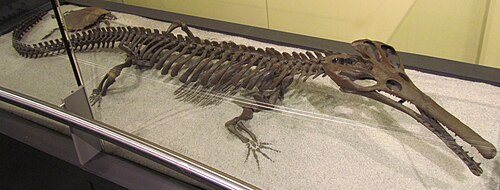
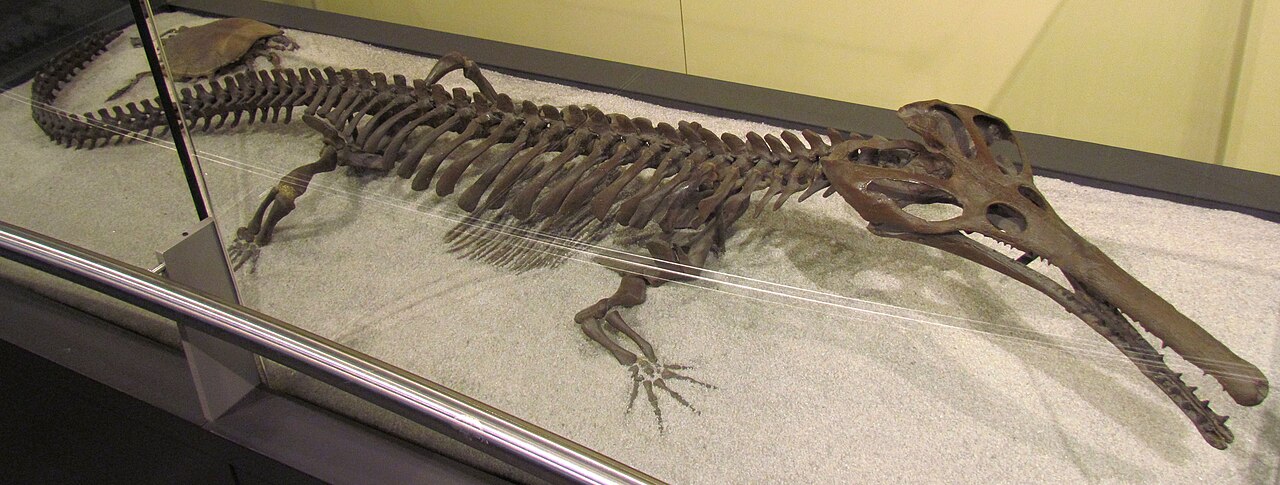
—observations
—countries
—peak records
ExtinctConservation statusIUCN Red List categoriesLCNTVUENCREWEXExtinctRed List categories, explained →
Diet & preyLepisosteid fish, Amiid fish, Aquatic amphibians
Predators
- Tyrannosaurid dinosaurs
- Large crocodylomorphs
- Dromaeosaurids
ThreatsLate Cretaceous environmental turnover, marine transgressions, and localized habitat drying
HabitatsFreshwater rivers, lakes, floodplains, and swamps
Life spanApproximately 15–25 years (estimated from related fossil reptiles)
Classification
- FamilyChampsosauridae
- SpeciesChampsosaurus albertensis
Range data is not available yet.
Interaction riskLow
- Low
- Moderate
- High
- Very high
- Why interaction risk is low
- Extinct prehistoric reptile known only from fossilized remains.
Responsible observation
- Museum Collections: Observe articulated skeletons and skulls in natural history museums across North America.
- Fossil Etiquette: Leave any suspected vertebrate fossil discoveries in place and report them to professional paleontologists.
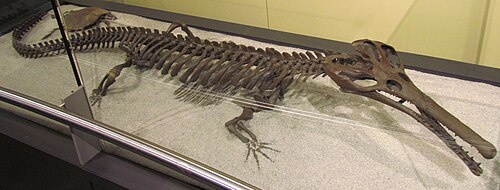
Same Genus D. Gordon E. Robertson / CC BY-SA 3.0 · cc-by-sa Image unavailable
Same Genus Close Relative
Help improve the field guideSomething wrong?
Checking your Fauna account…Report a name, category, or profile issue for review.