
Species · GBIF taxon 4967494
Diplodocus longus
Diplodocus longusAlso known as Double-beam Sauropod
Diplodocus longus walked the semi-arid floodplains of the Late Jurassic on pillar-like limbs, balancing its immense horizontal neck with an extraordinarily long, whip-like tail. Its slender jaws held peg-like teeth concentrated at the very front of the snout, adapted for stripping soft foliage from low branches and understory ferns rather than chewing. Fossil trackways suggest these massive sauropods traveled in loose herds, relying on sheer body mass and sonic tail-cracks to deter large theropod predators.
PrehistoricHerbivoreFossil
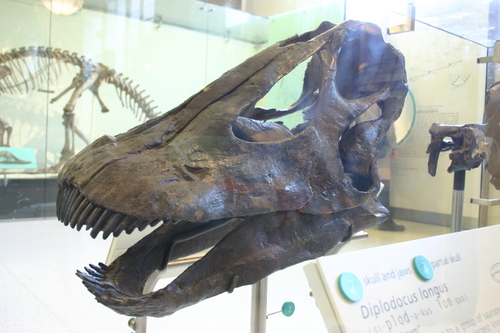
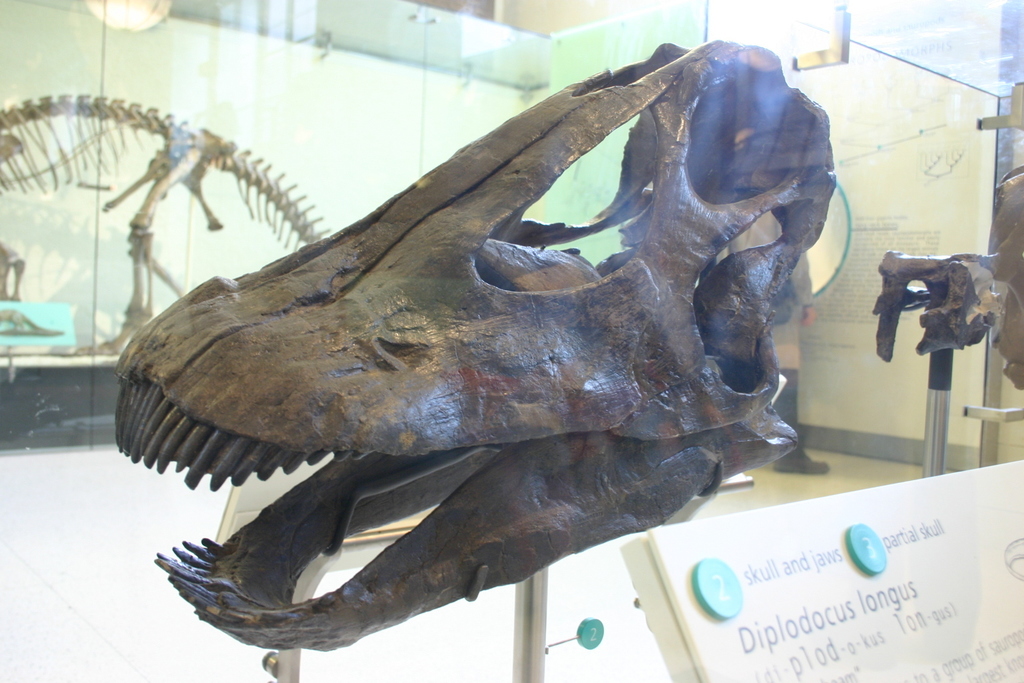
Licensed reference(c) Ryan Somma, some rights reserved (CC BY-SA) · cc-by-sa
—observations
—countries
—peak records
ExtinctConservation statusIUCN Red List categoriesLCNTVUENCREWEXExtinctRed List categories, explained →
Diet & prey
- Conifer needles
- Fern fronds
- Horsetails
Predators
- Allosaurus fragilis
- Ceratosaurus nasicornis
- Torvosaurus tanneri
ThreatsLate Jurassic extinction events, predatory theropods, and drought
HabitatsSemi-arid floodplains, riparian woodlands, and open savannas
Life span50–80 years (estimated)
Classification
- FamilyDiplodocidae
- SpeciesDiplodocus longus
Range data is not available yet.
Interaction riskLow
- Low
- Moderate
- High
- Very high
- Why interaction risk is low
- Extinct prehistoric species; known exclusively from fossilized skeletal remains.
Responsible observation
- Museum Etiquette: Admire mounted fossil casts from designated walkways without leaning on barrier rails.
- Fossil Sites: Report any unexcavated bone fragments found in situ to park rangers or certified paleontologists.
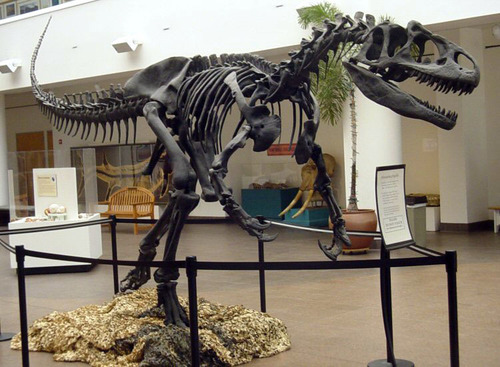
Predator (c) Allosaurus_SDNHM.jpg, some rights reserved (CC BY-SA) · cc-by-sa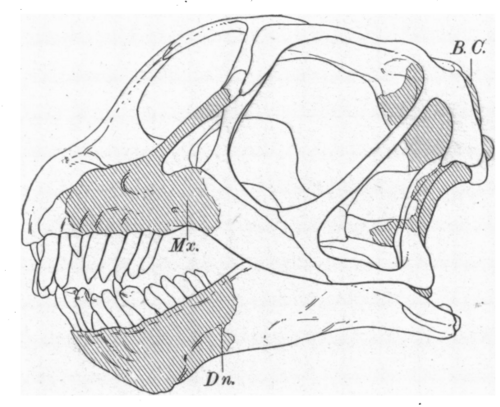
Competitor Henry Osborn, Charles Mook, ED Cope / Public domain · cc0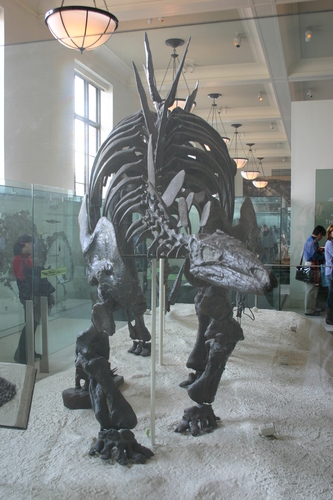
Frequent Companion (c) Ryan Somma, some rights reserved (CC BY-SA) · cc-by-sa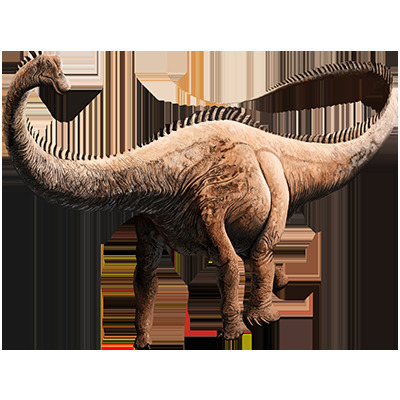
Close Relative (c) DataBase Center for Life Science (DBCLS), some rights reserved (CC BY) · cc-by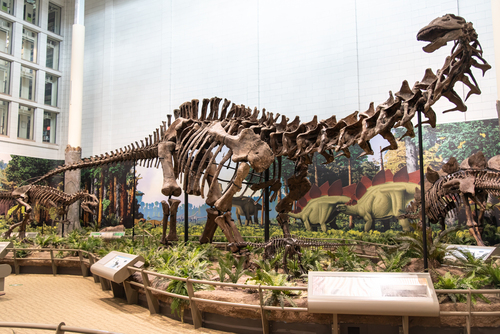
Same Family (c) AbstractionBlue, some rights reserved (CC BY-SA) · cc-by-sa
Help improve the field guideSomething wrong?
Checking your Fauna account…Report a name, category, or profile issue for review.