
Species · GBIF taxon 4967475
Dicraeosaurus hansemanni
Dicraeosaurus hansemanniDicraeosaurus hansemanni was a distinctive, medium-sized sauropod characterized by its unusually short, thick neck and tall, Y-shaped bifurcated neural spines running along its spine. These upright vertebral prongs supported powerful ligaments and muscle sheets that anchored a downward-sloping neck designed for low-to-mid-level browsing. Grazing across the lush subtropical riverbeds of Jurassic East Africa, it occupied a distinct ecological niche compared to towering contemporary sauropods like Giraffatitan.
PrehistoricSauropodHerbivore
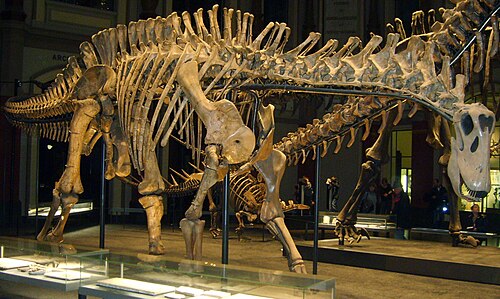
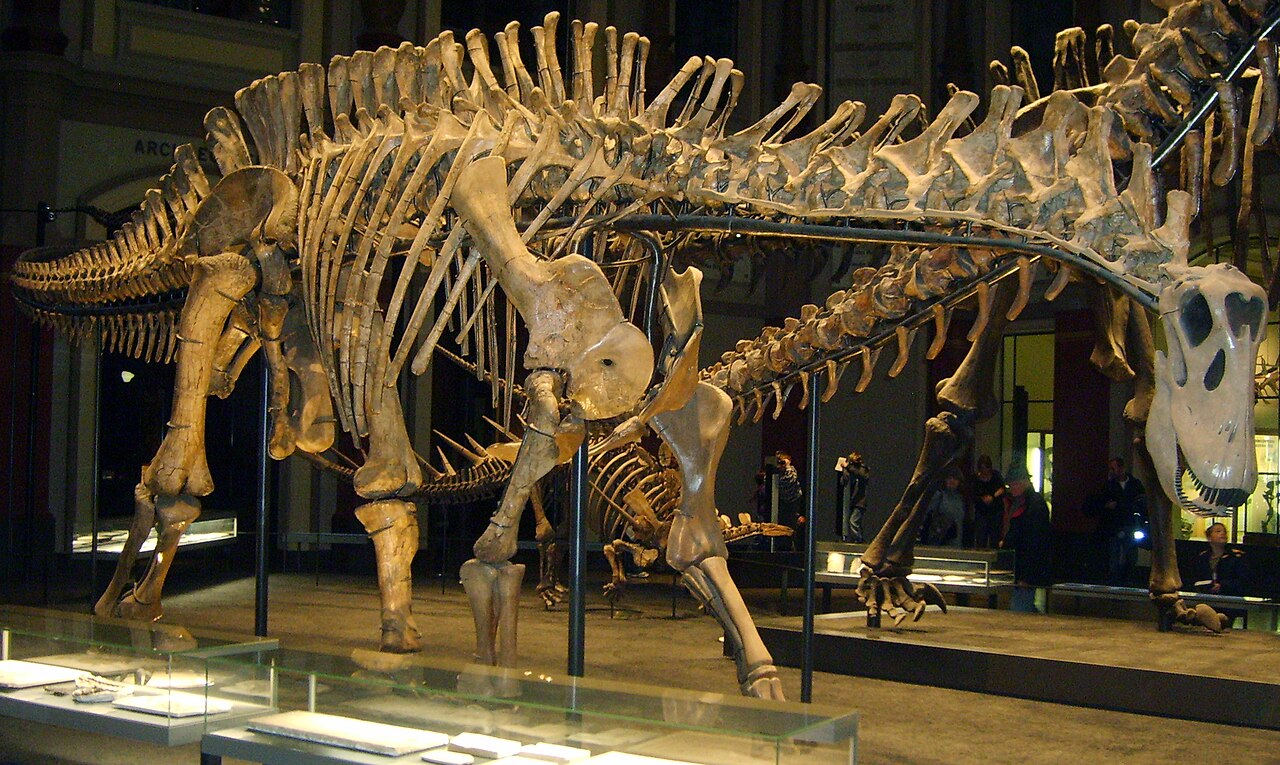
Licensed referenceFunkMonk / CC BY-SA 3.0 · cc-by-sa
—observations
—countries
—peak records
ExtinctConservation statusIUCN Red List categoriesLCNTVUENCREWEXExtinctRed List categories, explained →
Diet & prey
- Herbivore (ferns, horsetails, seed ferns, and low-growing gymnosperms)
Predators
- Veterupristisaurus milneri
- Ostafrikasaurus crassiserratus
- Elaphrosaurus bambergi
ThreatsPredation by large theropod dinosaurs and severe seasonal droughts
HabitatsCoastal floodplains, tidal mudflats, and subtropical woodlands
Life spanApproximately 30–50 years
Classification
- FamilyDiplodocidae
- SpeciesDicraeosaurus hansemanni
Range data is not available yet.
Interaction riskLow
- Low
- Moderate
- High
- Very high
- Why interaction risk is low
- Extinct species known only from fossil remains; poses no risk.
Responsible observation
- Museum viewing: Observe the mounted composite skeletons on display in natural history collections such as the Museum für Naturkunde in Berlin.
- Fossil study: Note the distinctive bifurcated neural spines along the neck, which distinguish it clearly from long-necked diplodocids.
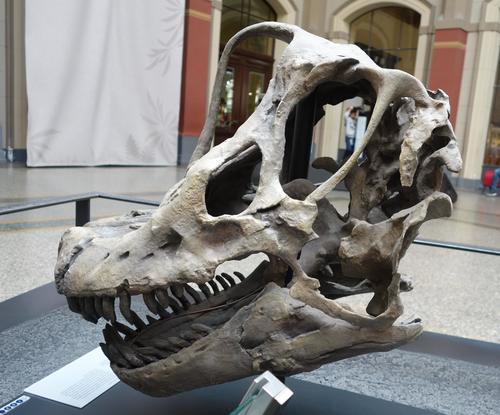
Competitor (c) Etemenanki3, some rights reserved (CC BY-SA) · cc-by-sa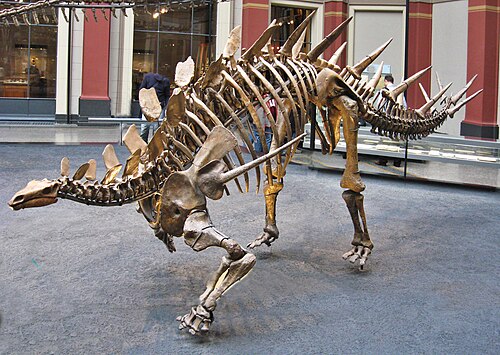
Neighbor LoKiLeCh / CC BY 3.0 · cc-by Image unavailable
Predator 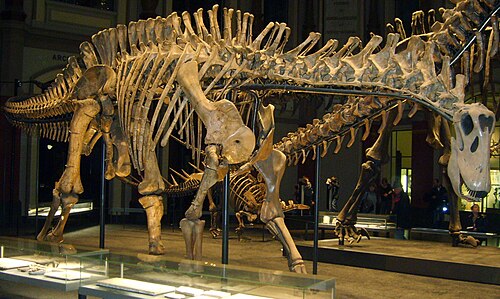
Close Relative FunkMonk / CC BY-SA 3.0 · cc-by-sa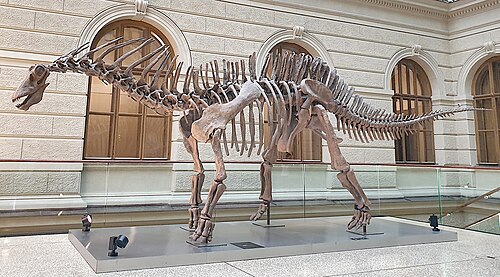
Close Relative Jan Helebrant / CC0 · cc0
Help improve the field guideSomething wrong?
Checking your Fauna account…Report a name, category, or profile issue for review.