
Bird
Iberomesornis romerali
Iberomesornis romeraliAlso known as Spanish Intermediate Bird, Las Hoyas Enantiornithine
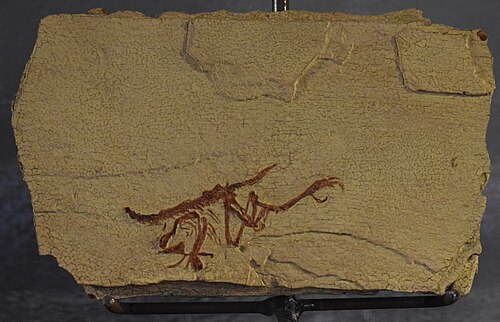
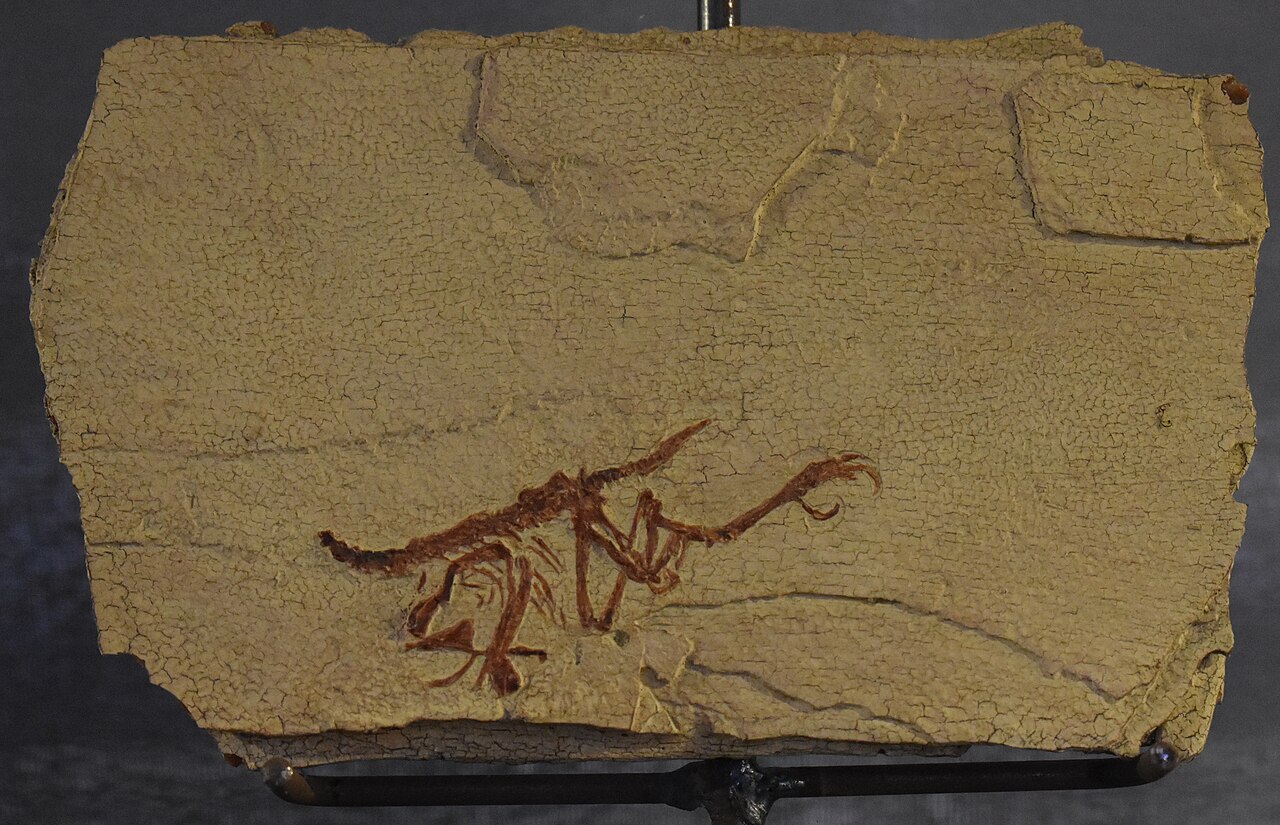
Iberomesornis romerali flitted through the subtropical lakeside forests of Cretaceous Iberia around 125 million years ago. Roughly the size of a modern house sparrow, it represents a pivotal stage in avian evolution, retaining primitive clawed wing digits alongside an advanced pygostyle that supported modern fan-tailed steering feathers. Its specialized grasping foot structure suggests it spent much of its daily life perching on branches, actively foraging for insects among lakeside vegetation.
Prehistoric BirdCretaceous
—observations
—countries
—peak records
ExtinctConservation statusIUCN Red List categoriesLCNTVUENCREWEXExtinctRed List categories, explained →
Diet & preyBeetles, Mayflies, Dragonfly larvae
Predators
- Pelecanimimus polyodon
- Concavenator corcovatus
- Pterosaurs
ThreatsLocal volcanic ashfalls, fluctuating water bodies, and prehistoric predation
HabitatsSubtropical freshwater wetlands, lake margins, and open woodlands
Life span3–6 years estimated
Classification
- FamilyIberomesornithidae
- GenusIberomesornis
- SpeciesIberomesornis romerali
Range data is not available yet.
Interaction riskLow
- Low
- Moderate
- High
- Very high
- Why interaction risk is low
- Extinct prehistoric bird; safe to observe in museum fossil exhibits.
Responsible observation
- Fossil Viewing: Observe original holotype slabs at the Museum of Paleontology of Castilla-La Mancha in Cuenca, Spain.
- Site Etiquette: Fossil-bearing strata at Las Hoyas are legally protected research sites; never disturb or remove geological specimens.
 Image unavailable
Neighbor Predator 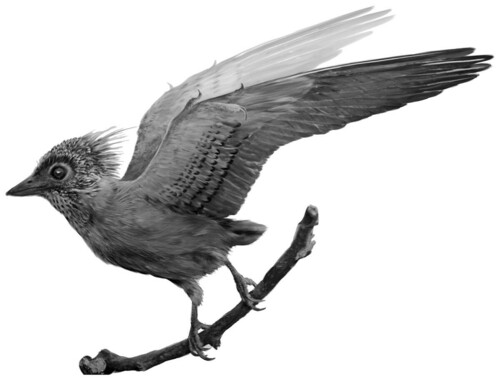
Close Relative (c) Art by Velizar Simeonovski. Published by Quanguo Li, Julia A. Clarke, Ke-Qin Gao, Jennifer A. Peteya, Matthew D. Shawkey, some rights reserved (CC BY) · cc-byClose Relative
Help improve the field guideSomething wrong?
Checking your Fauna account…Report a name, category, or profile issue for review.