
Species · GBIF taxon 4966336
Unenlagia comahuensis
Unenlagia comahuensisUnenlagia comahuensis roamed the floodplains and wooded riverbanks of Cretaceous Patagonia around 90 million years ago, representing an exceptionally bird-like lineage of theropods. Its slender pelvic girdle and specialized shoulder joint allowed an avian range of arm motion, hinting at the deep anatomical links between dromaeosaurs and modern birds. Running on long, cursorial hindlimbs, this predator likely hunted agile vertebrates across open riverine landscapes.
CarnivorousTheropod
—observations
—countries
—peak records
ExtinctConservation statusIUCN Red List categoriesLCNTVUENCREWEXExtinctRed List categories, explained →
Diet & prey
- Small ornithopods
- Early mammals
- Lizards and sphenodonts
Predators
- Megaraptor
- Abelisaurid theropods
ThreatsNatural predation by larger theropods and environmental change
HabitatsPrehistoric river systems, open woodlands, and floodplains
Life span15–25 years
Classification
- FamilyDromaeosauridae
- SpeciesUnenlagia comahuensis
Range data is not available yet.
Interaction riskLow
- Low
- Moderate
- High
- Very high
- Why interaction risk is low
- Extinct prehistoric species known exclusively from fossil remains.
Responsible observation
- Museum Exhibits: Examine reconstructed skeletal casts in paleontology collections to observe its avian traits.
- Comparative Anatomy: Note the outward-facing shoulder socket, which mirrors the wing joints of modern birds.
 Image unavailable
Close Relative 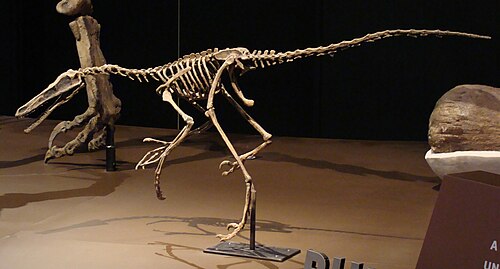
Close Relative Eduard Solà / CC BY-SA 3.0 · cc-by-sa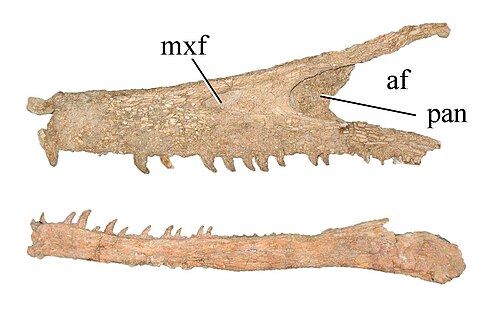
Close Relative Federico L. Agnolin, Matias J. Motta, Federico Brissón Egli, Gastón Lo Coco & Fernando E. Novas / CC BY 4.0 · cc-byClose Relative
Help improve the field guideSomething wrong?
Checking your Fauna account…Report a name, category, or profile issue for review.