
Species · GBIF taxon 4966300
Citipati osmolskae
Citipati osmolskaeCitipati osmolskae roamed the windswept sand dunes of Late Cretaceous Mongolia, sporting a high, rounded cranial crest and an edentulous beak reminiscent of modern cassowaries. Exceptional fossil finds preserve adults crouched directly over clutches of elongated eggs, their feathered arms spread wide in a brooding stance identical to nesting birds. These intimate paleontological discoveries provide definitive evidence that complex avian reproductive strategies arose long before modern avians appeared.
PrehistoricFossil
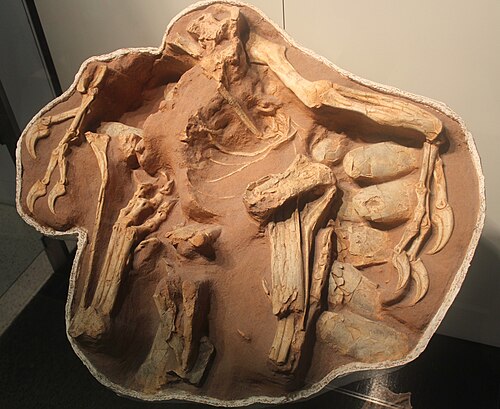
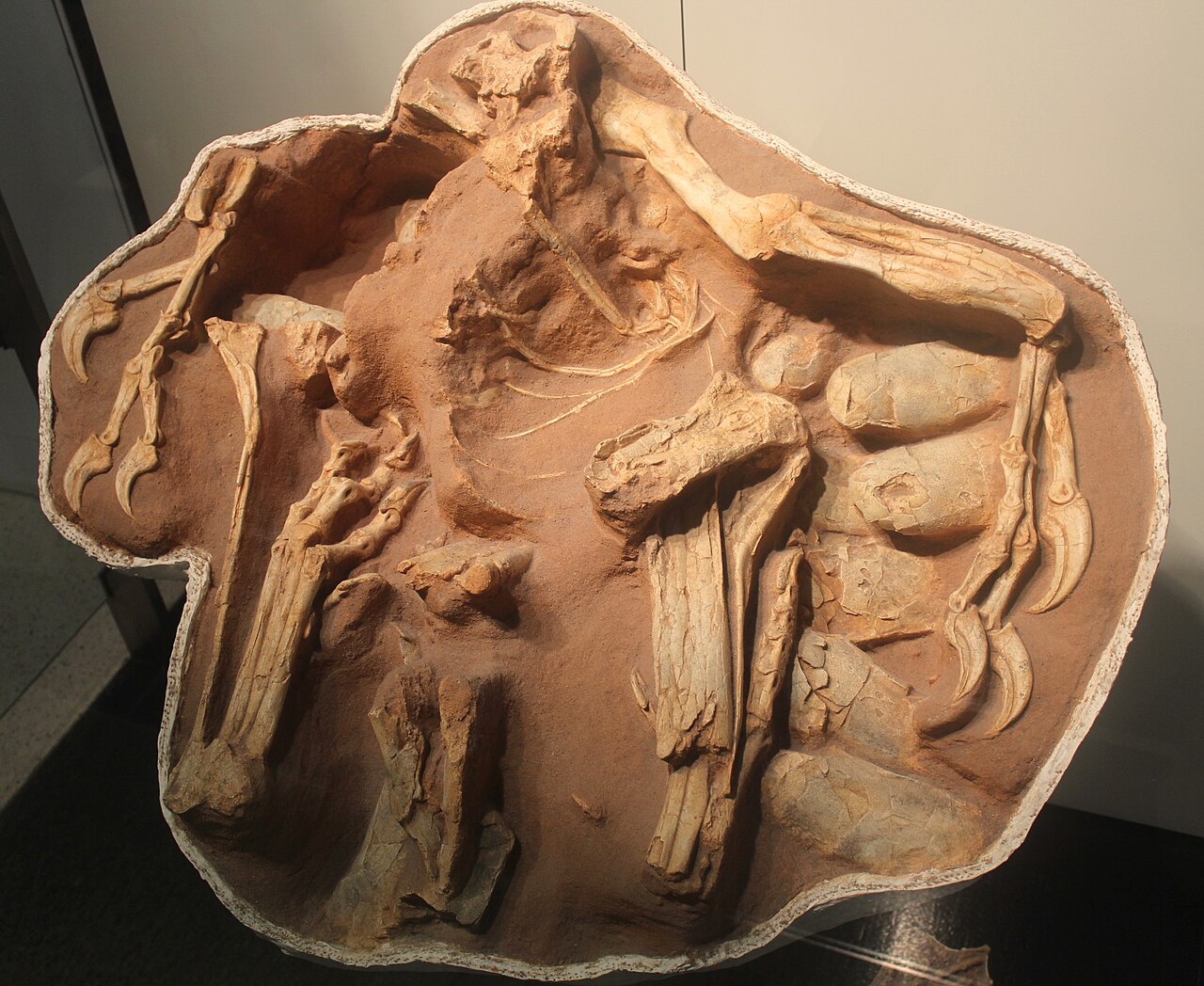
Licensed referenceJonathan Chen / CC BY-SA 4.0 · cc-by-sa
—observations
—countries
—peak records
ExtinctConservation statusIUCN Red List categoriesLCNTVUENCREWEXExtinctRed List categories, explained →
Diet & prey
- Seeds and tough desert tubers
- Small squamates and lizards
- Prehistoric mollusks and invertebrates
Predators
- Tarbosaurus bataar
- Velociraptor mongoliensis
ThreatsCollapsing dunes, flash floods, predatory theropods, and the Cretaceous-Paleogene extinction
HabitatsArid sand dunes, scrub plains, and seasonal streams
Life span15–25 years (estimated)
Classification
- FamilyOviraptoridae
- SpeciesCitipati osmolskae
Range data is not available yet.
Interaction riskLow
- Low
- Moderate
- High
- Very high
- Why interaction risk is low
- Extinct prehistoric species; fossil specimens are safe to observe in museum collections.
Responsible observation
- Museum observation: Study articulated casts in natural history museums to examine brooding posture and crest shape.
- Fossil preservation: Never touch exposed original fossil material without professional paleontological guidance.
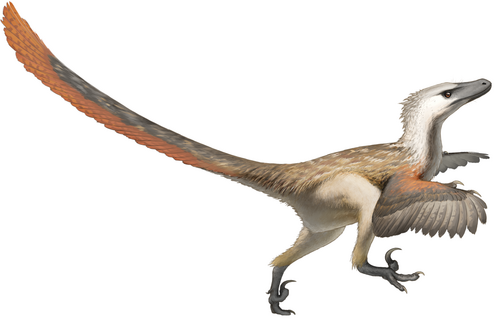
Competitor (c) Fred Wierum, some rights reserved (CC BY-SA) · cc-by-sa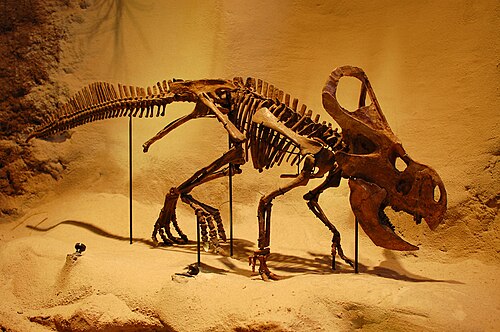
Neighbor Tadek Kurpaski from London, Poland / CC BY 2.0 · cc-by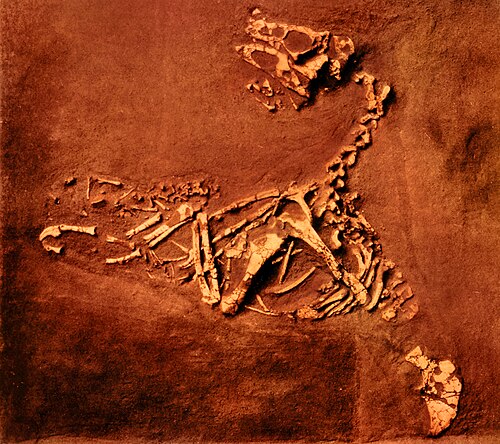
Close Relative Internet Archive Book Images / Public domain · cc0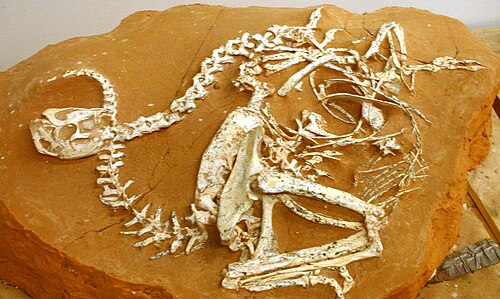
Close Relative Steve Starer from Commack NY, USA / CC BY 2.0 · cc-by
Help improve the field guideSomething wrong?
Checking your Fauna account…Report a name, category, or profile issue for review.