
Species
Protoceratops hellenikorhinus
Protoceratops hellenikorhinusDistinguished by a pair of small, blunted hornlets atop its snout, this robust herbivore was the larger of the two recognized Protoceratops species. Its massive, deep skull anchored powerful jaw muscles and a shearing beak ideally adapted for clipping tough desert foliage across the prehistoric Gobi Basin. Groups nested in arid dune fields, using their broad neck frills for species recognition, display, and jaw-muscle attachment rather than direct combat.
HerbivorePrehistoricFossil
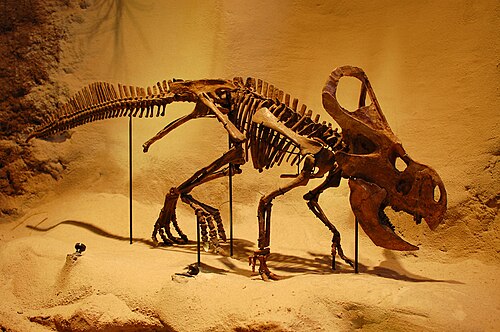
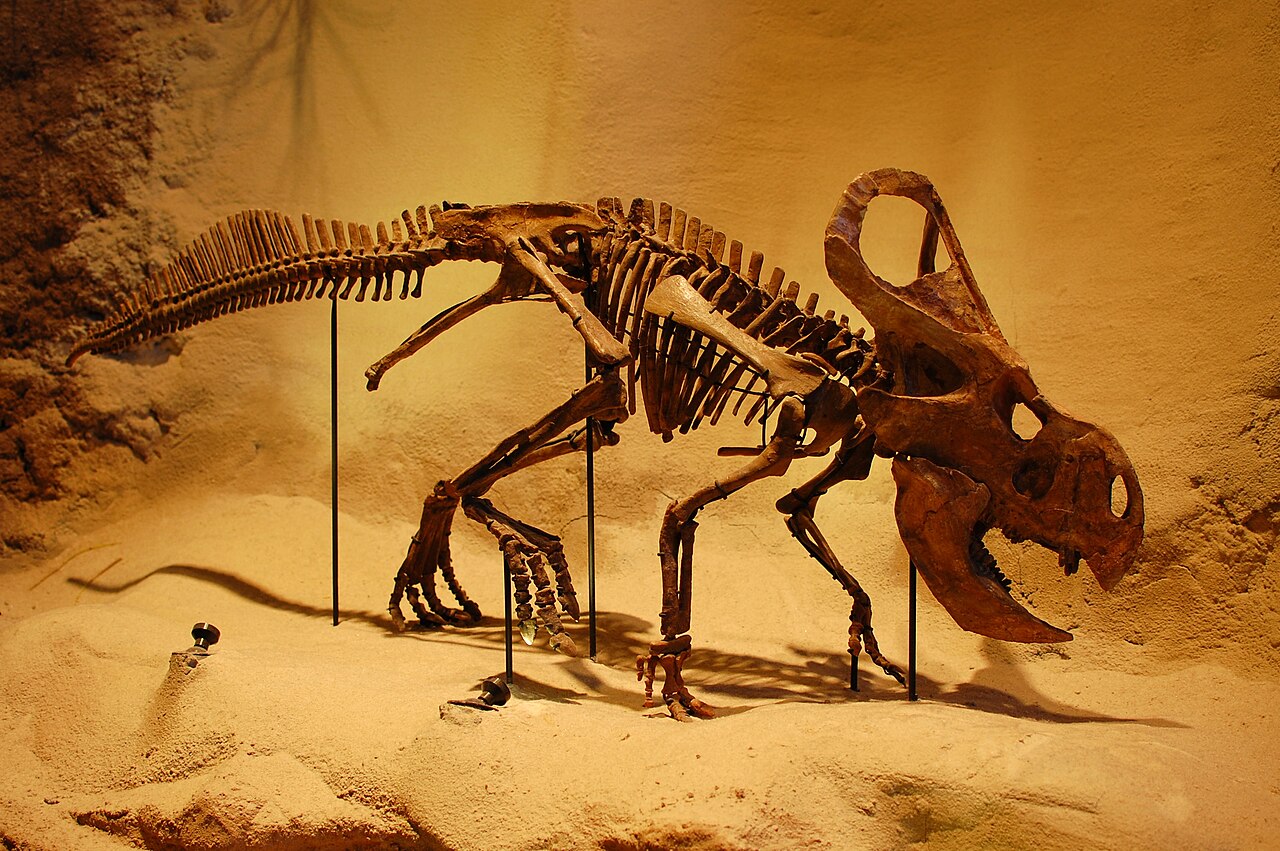
—observations
—countries
—peak records
ExtinctConservation statusIUCN Red List categoriesLCNTVUENCREWEXExtinctRed List categories, explained →
Diet & preyCycad fronds, Woody shrubs, Herbaceous ferns
Predators
- Linheraptor
- Velociraptor
- Tyrannosauroids
ThreatsDromaeosaurid theropods, sudden sandstorms, and severe droughts
HabitatsArid sand dunes, alluvial plains, and semi-desert basins
Life span15–25 years
Classification
- FamilyProtoceratopsidae
- SpeciesProtoceratops hellenikorhinus
Range data is not available yet.
Interaction riskLow
- Low
- Moderate
- High
- Very high
- Why interaction risk is low
- Extinct; safe to examine through museum fossil specimens and skeletal casts.
Responsible observation
- Fossil Viewing: Compare the snout anatomy to Protoceratops andrewsi to spot the paired crests.
- Jaw Study: Look closely at fossil teeth to see the shearing surfaces built for fibrous plants.
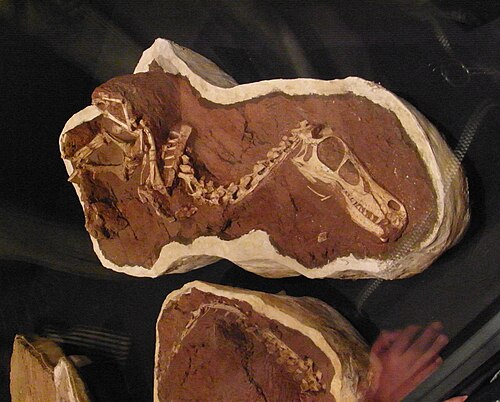
Predator ★Kumiko★ from Tokyo, Japan / CC BY-SA 2.0 · cc-by-sa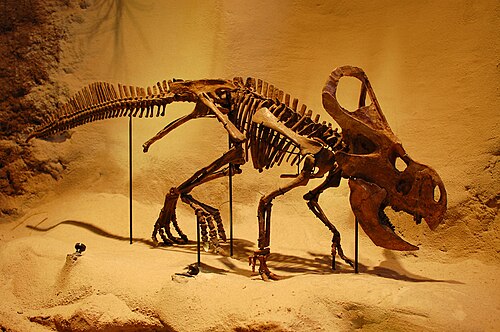
Close Relative Tadek Kurpaski from London, Poland / CC BY 2.0 · cc-by Image unavailable
Close Relative 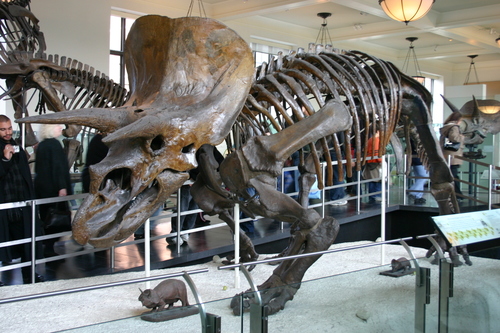
Distant Relative (c) Ryan Somma, some rights reserved (CC BY-SA) · cc-by-sa
Help improve the field guideSomething wrong?
Checking your Fauna account…Report a name, category, or profile issue for review.