
Species
Petrolacosaurus kansensis
Petrolacosaurus kansensisPetrolacosaurus kansensis scampered through late Carboniferous coastal conifer woodlands roughly 302 million years ago, hunting small insects and terrestrial arthropods. As one of the earliest known diapsids, it possessed two temporal openings in its skull behind each eye, an anatomical innovation that expanded jaw-muscle attachment and later characterized lizards, crocodilians, and dinosaurs. Its gracile limbs, elongated neck, and delicate teeth indicate a fast-moving, agile pursuit predator adapted to dense terrestrial undergrowth.
PrehistoricFossilInsectivore
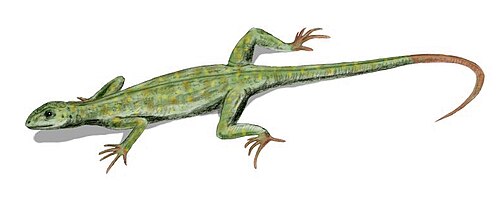
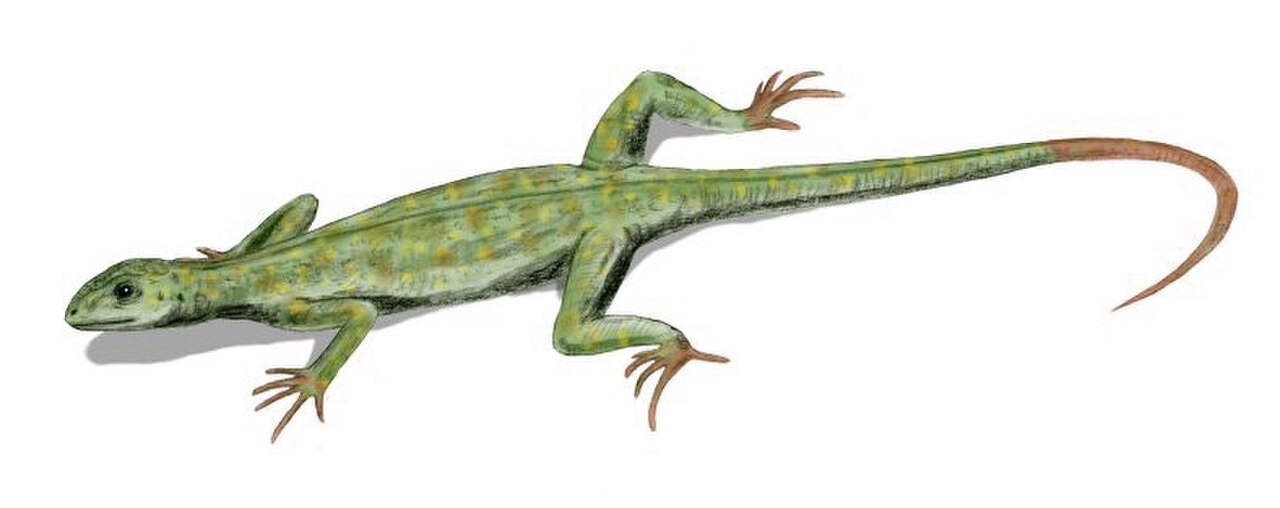
—observations
—countries
—peak records
ExtinctConservation statusIUCN Red List categoriesLCNTVUENCREWEXExtinctRed List categories, explained →
Diet & preyEarly winged insects, Small terrestrial myriapods, Primitive spiders
Predators
- Large temnospondyl amphibians
- Early synapsids
- Giant predatory arachnids
ThreatsLarger predatory tetrapods, environmental drying, and climate shifts
HabitatsLate Carboniferous coastal forests and gymnosperm woodlands
Life spanEstimated 4–8 years
Classification
- FamilyPetrolacosauridae
- SpeciesPetrolacosaurus kansensis
Range data is not available yet.
Interaction riskLow
- Low
- Moderate
- High
- Very high
- Why interaction risk is low
- Extinct fossil species; entirely safe to study and observe in museum collections.
Responsible observation
- Museum Viewing: Examine articulated skeletons on display at major natural history museums.
- Fossil Etiquette: Leave any suspected Carboniferous vertebrate material in place for professional paleontologists.
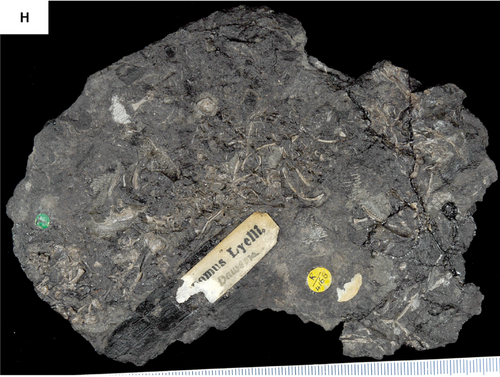
Earlier Reptile Natural History Museum, London, modified by Jason D. Pardo, Kendra Lennie & Jason S. Anderson (2020) / CC BY 4.0 · cc-by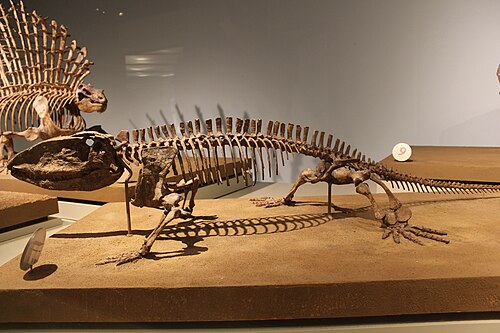
Competitor Jonathan Chen / CC BY-SA 4.0 · cc-by-sa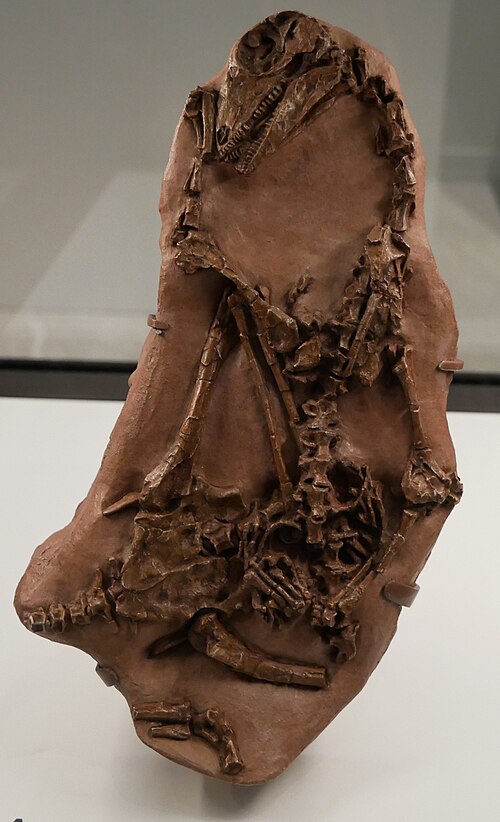
Close Relative Skye McDavid / CC BY 4.0 · cc-by
Help improve the field guideSomething wrong?
Checking your Fauna account…Report a name, category, or profile issue for review.