
Species
Haptodus baylei
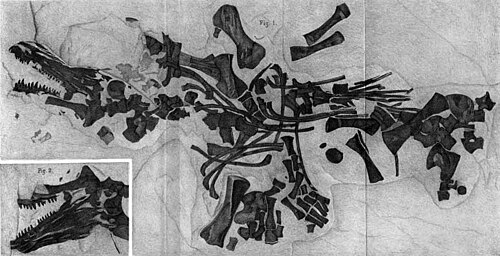
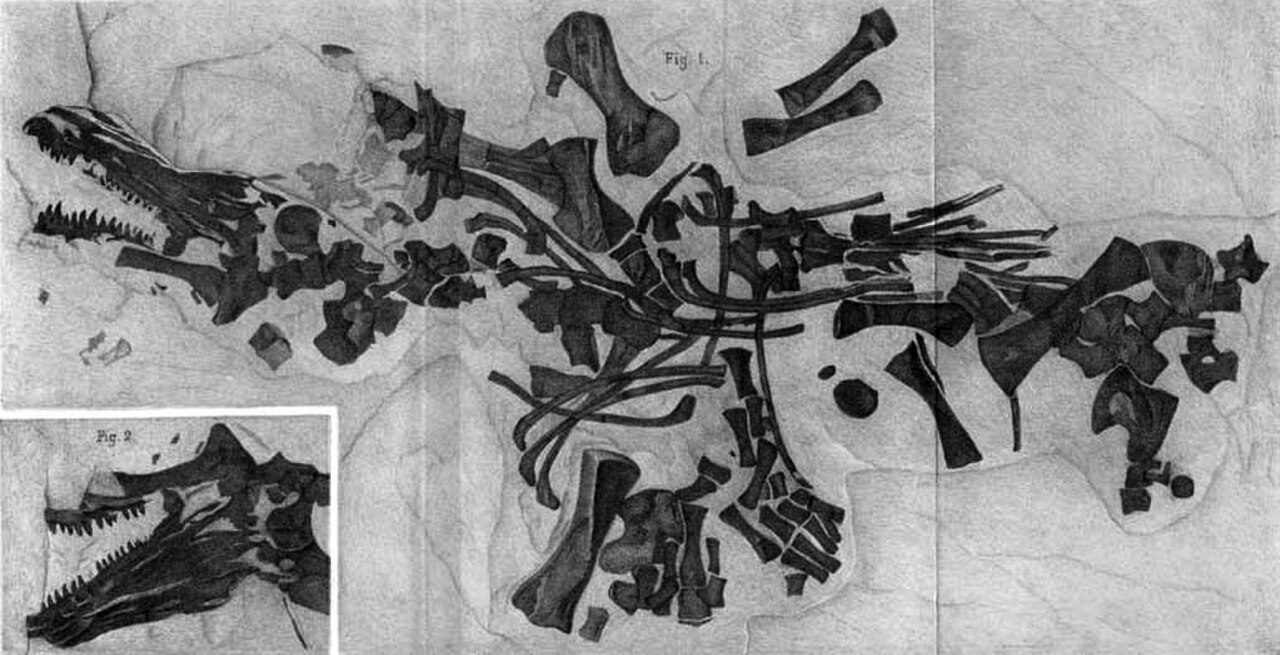
Haptodus bayleiHaptodus baylei roamed the Early Permian floodplains and coal swamps of what is now France as an agile, medium-sized predator. Unlike its famous sail-backed cousin Dimetrodon, this basal sphenacodont lacked a dorsal sail and relied on speed, sharp recurved teeth, and a sprawling gait to ambush insects and small vertebrates. As an early member of the lineage that eventually gave rise to therapsids and mammals, its skull anatomy preserves key evolutionary transitions in jaw musculature and tooth differentiation.
PrehistoricCarnivoreSynapsid
—observations
—countries
—peak records
Not EvaluatedConservation statusIUCN Red List categoriesLCNTVUENCREWEXNot Evaluated — not placed on the risk ladderRed List categories, explained →
Diet & preyInsects, Small amphibians, Small reptiles
Predators
- Large temnospondyls
- Larger sphenacodonts
ThreatsExtinct; vanished during Early Permian environmental shifts
HabitatsEarly Permian coal swamps, floodplains, and lake basins in present-day France
Life spanUnknown (extinct; likely 5–10 years based on similarly sized synapsids)
Classification
- FamilyHaptodontidae
- SpeciesHaptodus baylei
Range data is not available yet.
Interaction riskLow
- Low
- Moderate
- High
- Very high
- Why interaction risk is low
- Extinct prehistoric synapsid; safe to observe as museum fossils.
Responsible observation
- Museum Viewing: Look for casts and fossils of its skull to see its differentiated, carnivore-adapted teeth.
- Evolutionary Context: Compare its sail-less back with Dimetrodon to see how early synapsids diversified.
- Fossil Sites: Specimens come from Early Permian shale deposits in the Autun Basin of central France.
 Image unavailable
Contemporary Neighbor Prey
Help improve the field guideSomething wrong?
Checking your Fauna account…Report a name, category, or profile issue for review.