
Species
"Haptodus" Garnettensis
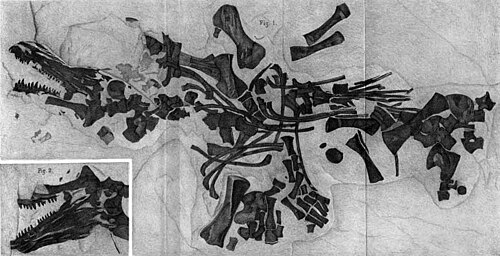
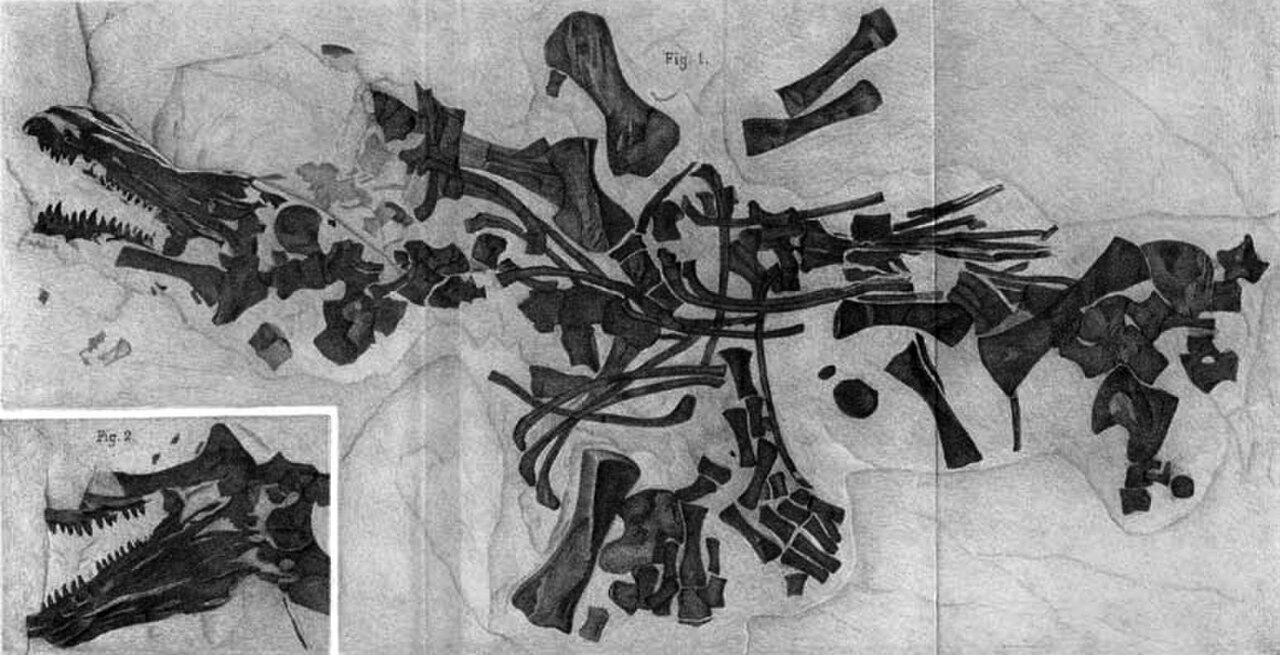
Haptodus garnettensisThese slender, agile terrestrial predators hunted across the lagoon-fringed conifer woodlands of Carboniferous Kansas long before dinosaurs evolved. Equipped with sharp, differentiated teeth and sprawling limbs, they filled an active predatory niche chasing ancient insects and small vertebrates. As basal sphenacodonts, they represent early branches of the synapsid lineage that eventually gave rise to true mammals.
FossilCarnivorousPrehistoric
—observations
—countries
—peak records
ExtinctConservation statusIUCN Red List categoriesLCNTVUENCREWEXExtinctRed List categories, explained →
Diet & preyPetrolacosaurus kansensis, Palaeodictyopteran insects, Small early tetrapods
Predators
- Larger early synapsids
- Semi-aquatic embolomeres
- Temnospondyl amphibians
ThreatsNatural extinction during the Carboniferous-Permian transition
HabitatsCarboniferous coastal forests, mudflats, and estuarine margins
Life spanUnknown; estimated 10–20 years
Classification
- FamilyHaptodontidae
- SpeciesHaptodus garnettensis
Range data is not available yet.
Interaction riskLow
- Low
- Moderate
- High
- Very high
- Why interaction risk is low
- Extinct prehistoric species known only from fossilized remains.
Responsible observation
- Museum Exhibits: Look for mounted skeleton casts in university geology and natural history collections.
- Fossil Protection: Leave vertebrate fossils intact in situ and report discoveries to scientific institutions.
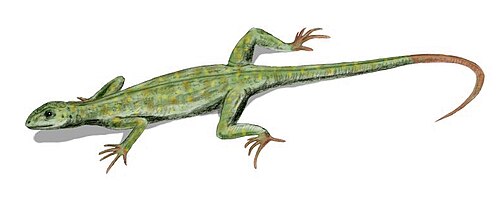
Prey Nobu Tamura (http://spinops.blogspot.com) / CC BY 2.5 · cc-by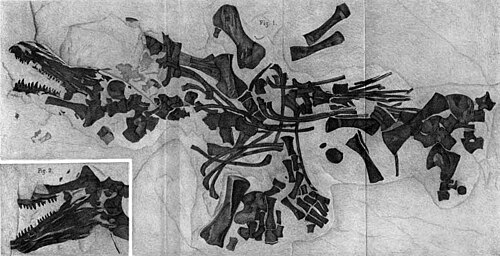
Close Relative Jean Albert Gaudry / Public domain · cc0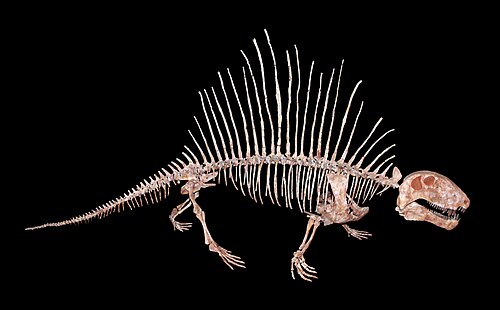
Close Relative H. Zell / CC BY-SA 3.0 · cc-by-sa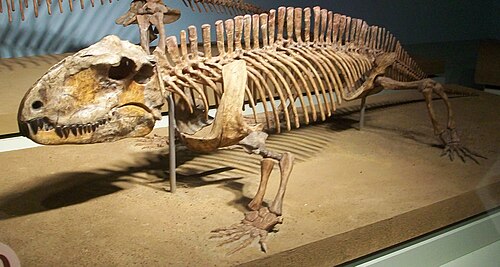
Close Relative Smokeybjb / CC BY-SA 3.0 · cc-by-sa
Help improve the field guideSomething wrong?
Checking your Fauna account…Report a name, category, or profile issue for review.