
Species · GBIF taxon 4964962
Dimetrodon gigashomogenes
Dimetrodon gigashomogenesDimetrodon gigashomogenes roamed the equatorial floodplains of the Early Permian as a dominant terrestrial carnivore, long before the rise of dinosaurs. Its most distinctive feature was a soaring dorsal sail supported by elongated vertebral spines, which likely played a critical role in species recognition, courtship display, or solar thermoregulation. Equipped with distinct sets of shearing and piercing teeth, it was an efficient hunter capable of tearing flesh from large amphibians, freshwater sharks, and early herbivorous tetrapods.
CarnivoreFossil
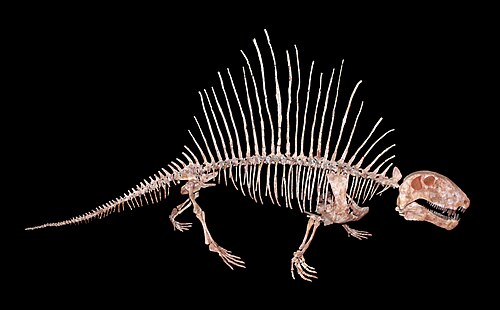
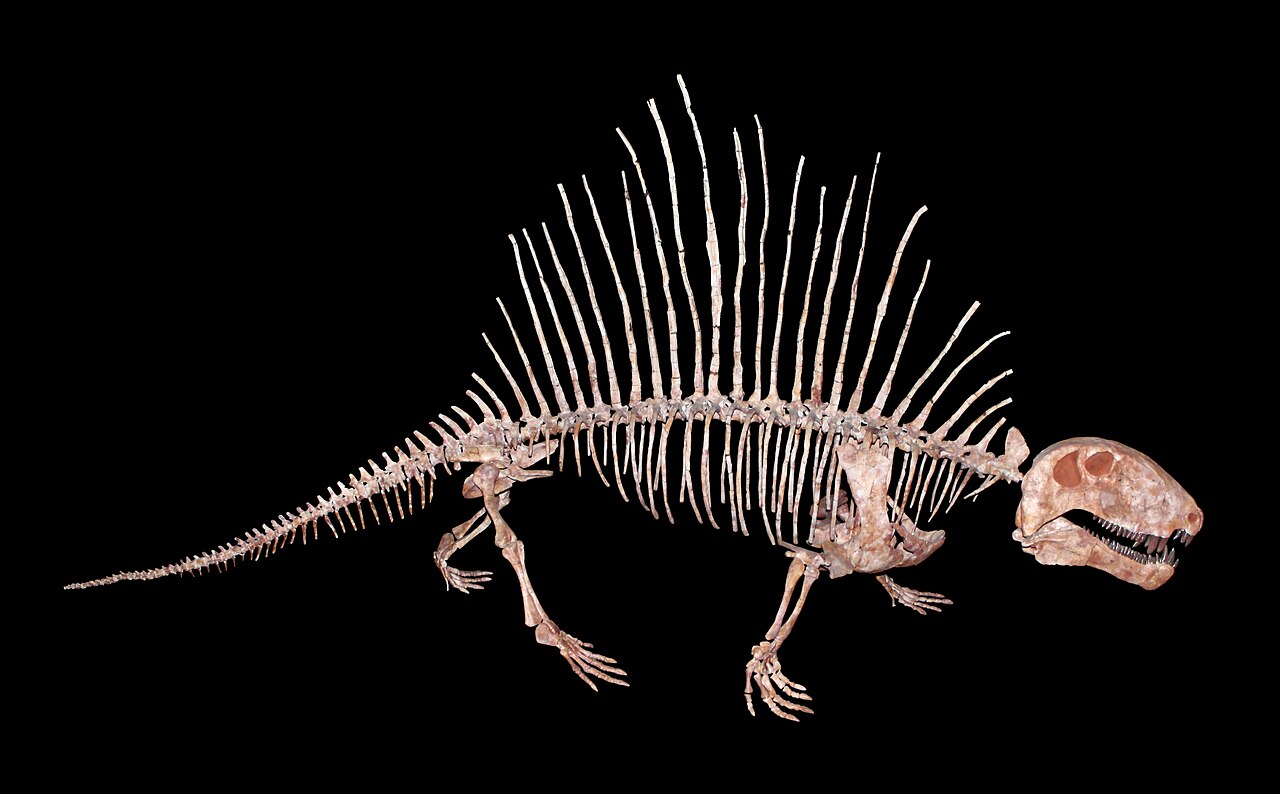
Licensed referenceH. Zell / CC BY-SA 3.0 · cc-by-sa
—observations
—countries
—peak records
ExtinctConservation statusIUCN Red List categoriesLCNTVUENCREWEXExtinctRed List categories, explained →
Diet & prey
- Diplocaulus
- Eryops
- Xenacanth sharks
Predators
- Larger conspecifics
ThreatsClimatic drying and environmental turnover during the Permian (extinct)
HabitatsPermian floodplains, swamp margins, and delta lowlands
Life spanUnknown (estimated 20–30 years)
Classification
- FamilySphenacodontidae
- SpeciesDimetrodon gigashomogenes
Range data is not available yet.
Interaction riskLow
- Low
- Moderate
- High
- Very high
- Why interaction risk is low
- Extinct prehistoric synapsid; fossil specimens are safe to observe.
Responsible observation
- Museum Etiquette: Observe mounted skeletons without touching the delicate fossilized vertebral spines.
- Dental Inspection: Examine the jaw exhibits closely to spot the distinct differentiated teeth that define synapsids.
 Image unavailable
Prey 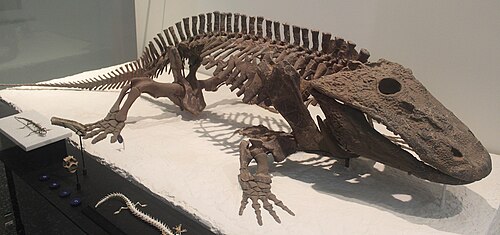
Competitor jonathan Chen / CC BY-SA 4.0 · cc-by-sa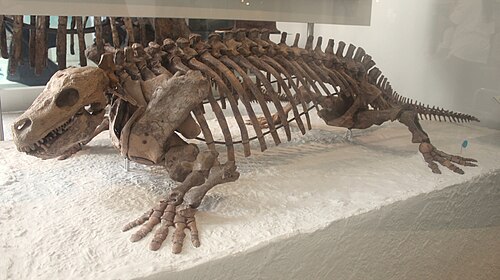
Prey Jonathan Chen / CC BY-SA 4.0 · cc-by-sa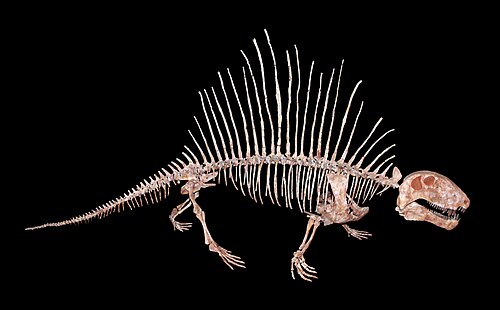
Close Relative H. Zell / CC BY-SA 3.0 · cc-by-sa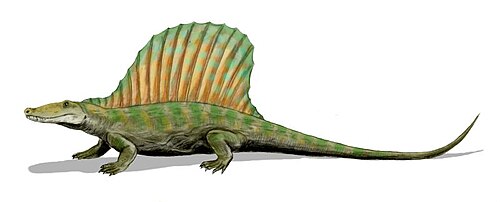
Close Relative Nobu Tamura (https://spinops.blogspot.com) / CC BY 2.5 · cc-by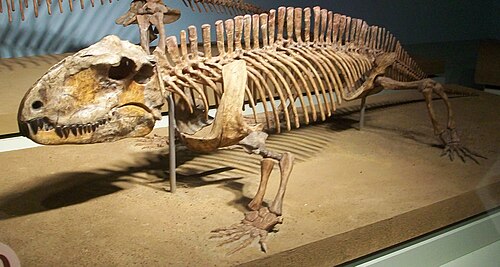
Close Relative Smokeybjb / CC BY-SA 3.0 · cc-by-sa
Help improve the field guideSomething wrong?
Checking your Fauna account…Report a name, category, or profile issue for review.