
Amphibian · GBIF taxon 4964725
Diplocaulus magnicornis
Diplocaulus magnicornisDiplocaulus magnicornis was an aquatic ambush hunter that prowled the muddy bottoms of Permian river systems and swamps. Its iconic boomerang-shaped skull functioned like a hydrodynamic foil, generating rapid vertical lift as the animal lunged upward to seize passing fish. Dorsally placed eyes and a flattened torso allowed it to lie virtually concealed beneath sediment while surveying the open water above.
PrehistoricAquaticCarnivorous
—observations
—countries
—peak records
ExtinctConservation statusIUCN Red List categoriesLCNTVUENCREWEXExtinctRed List categories, explained →
Diet & prey
- Palaeoniscoid fish
- Small freshwater amphibians
- Aquatic invertebrates
Predators
- Dimetrodon grandis
- Eryops megacephalus
- Orthacanthus platypternus
ThreatsLate Permian aridification, shrinking freshwater wetlands, and competitive displacement
HabitatsFreshwater swamps, oxbow lakes, and sluggish lowland rivers
Life span10–20 years
Classification
- FamilyKeraterpetontidae
- SpeciesDiplocaulus magnicornis
Range data is not available yet.
Interaction riskLow
- Low
- Moderate
- High
- Very high
- Why interaction risk is low
- Extinct species known only from fossil remains.
Responsible observation
- Museum Exhibits: Inspect articulated red bed fossil slabs to observe the delicate tabular horn sutures.
- Functional Anatomy: Notice the dorsally facing orbital sockets, which confirm a bottom-dwelling ambush lifestyle.
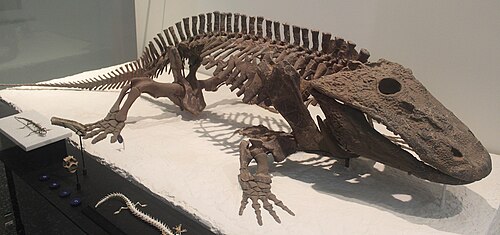
Competitor jonathan Chen / CC BY-SA 4.0 · cc-by-sa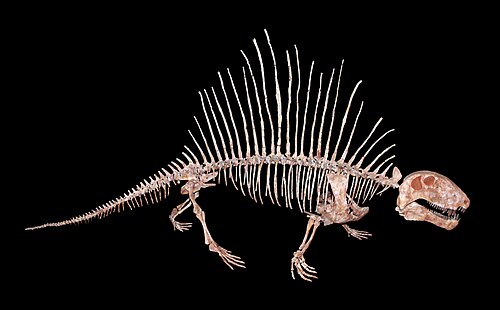
Predator H. Zell / CC BY-SA 3.0 · cc-by-sa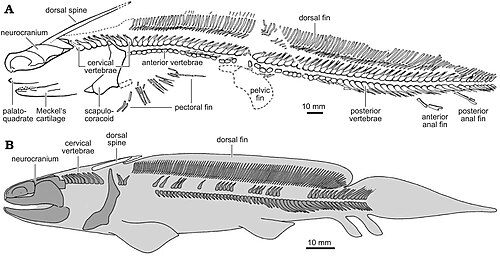
Predator Kimberly G. Beck, Rodrigo Soler-Gijón, Jesse R. Carlucci, Ray E. Willis / CC BY 4.0 · cc-by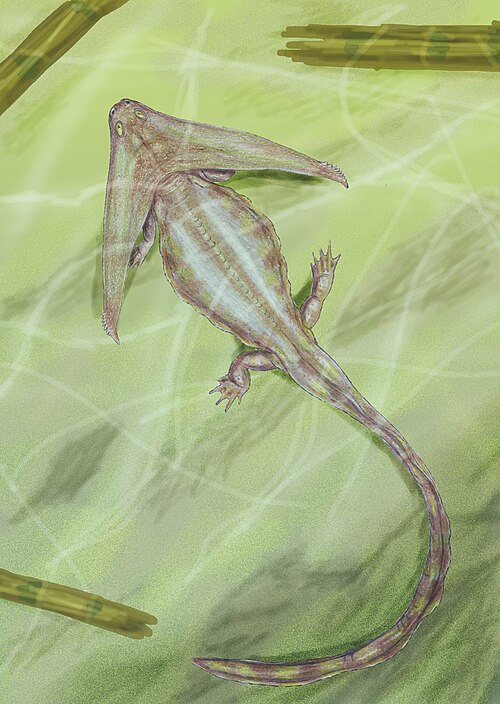
Close Relative Creator:Dmitry Bogdanov / CC BY 3.0 · cc-by
Help improve the field guideSomething wrong?
Checking your Fauna account…Report a name, category, or profile issue for review.