
Invertebrate
Campanile giganteum
Campanile giganteumAlso known as Giant Campanile, Giant Bell Snail
Campanile giganteum was an colossal sea snail that grazed the warm, shallow carbonate flats of the Eocene epoch. Its elongated, towering spire grew via dozens of whorls adorned with fine spiral ribs, anchoring the animal into soft lime sands where it moved deliberately across shallow coastal lagoons. As an ancient herbivore, it played a vital role in processing benthic algae across the shallow seas that once covered present-day northwestern France.
PrehistoricFossilMarine
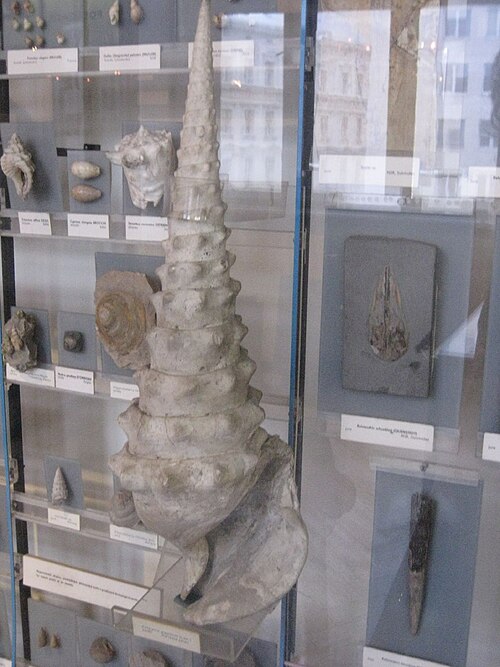
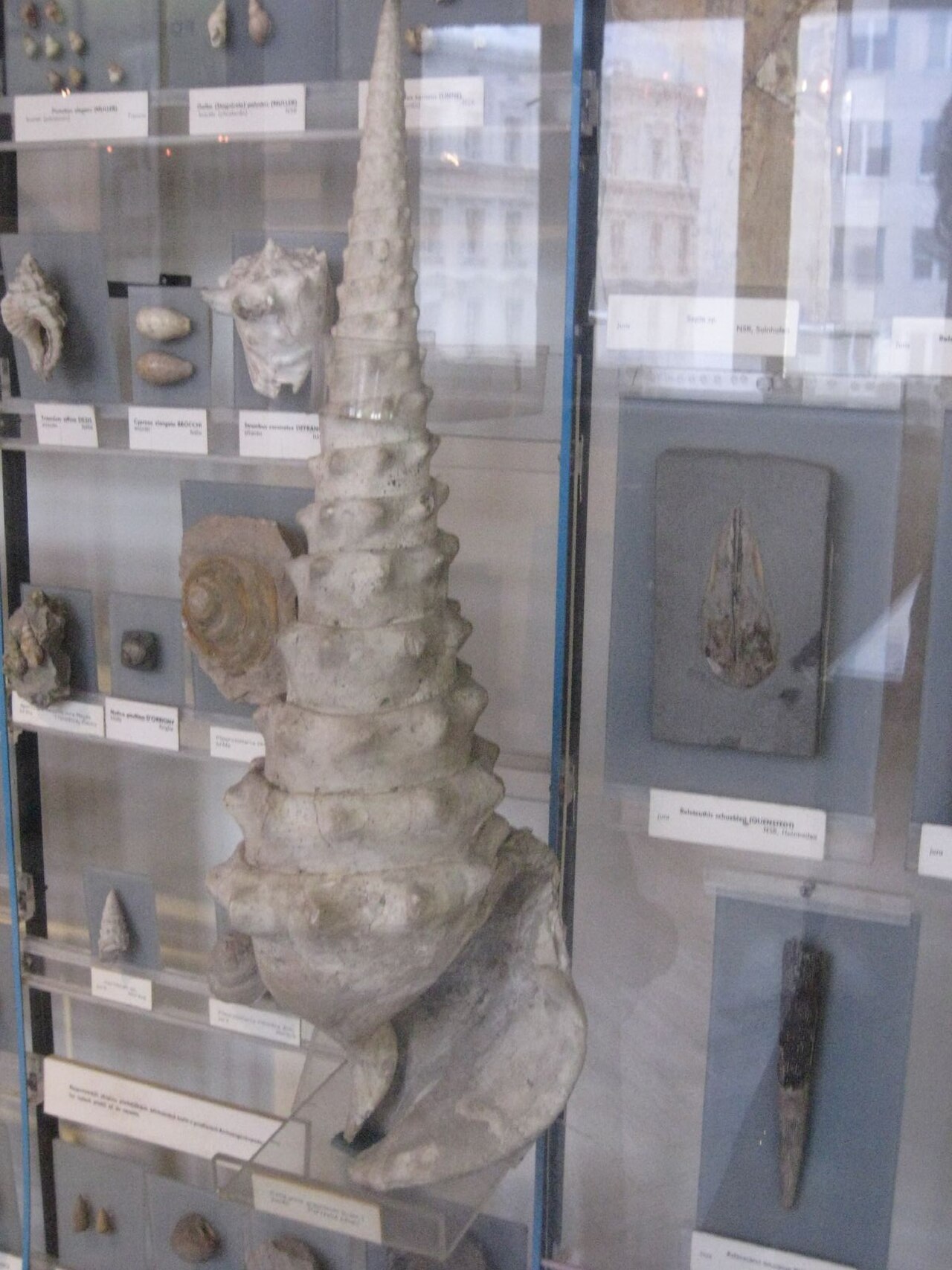
—observations
—countries
—peak records
ExtinctConservation statusIUCN Red List categoriesLCNTVUENCREWEXExtinctRed List categories, explained →
Diet & preyFilamentous green algae, Microbial mats, Organic sediment detritus
Predators
- Large Eocene crabs
- Sharks
- Extinct durophagous fishes
ThreatsMarine climate changes and habitat loss during Eocene cooling
HabitatsWarm shallow marine bays and carbonate lagoons
Life spanEstimated 20–50 years
Classification
- FamilyCampanilidae
- GenusCampanile
- SpeciesCampanile giganteum
Range data is not available yet.
Interaction riskLow
- Low
- Moderate
- High
- Very high
- Why interaction risk is low
- Extinct fossil species; entirely safe to examine in museum collections or field beds.
Responsible observation
- Fossil Preparation: Clean surrounding chalk matrix gently using fine dental picks and soft brushes.
- Museum Viewing: Look for intact specimens in natural history exhibits across Paris and northern France.
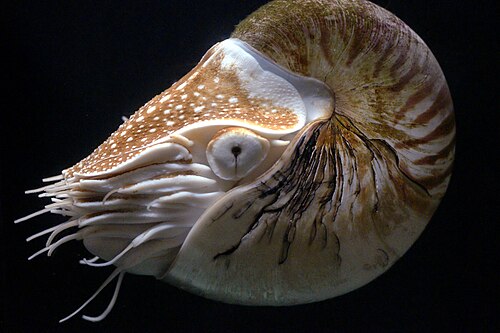
Ecological Peer Hans Hillewaert / CC BY-SA 4.0 · cc-by-sa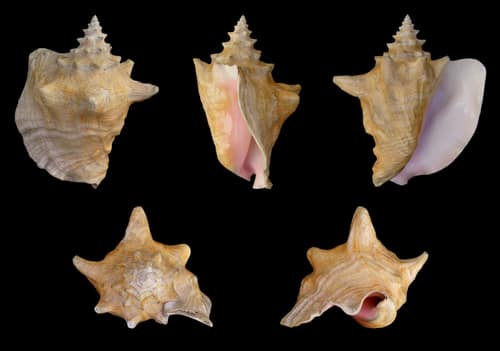
Ecological Analog (c) H. Zell, some rights reserved (CC BY-SA) · cc-by-sa Image unavailable
Close Relative
Help improve the field guideSomething wrong?
Checking your Fauna account…Report a name, category, or profile issue for review.