
Invertebrate · GBIF taxon 4945744
Schinderhannes bartelsi
Schinderhannes bartelsiSchinderhannes bartelsi is a remarkable Devonian stem-arthropod that fundamentally reshaped paleontological understanding by revealing that the predatory radiodont lineage survived at least sixty million years longer than previously recognized. Equipped with broad swimming flaps, large compound eyes, and spiny grasping frontal appendages, this agile swimmer hunted actively through the ancient open sea. The fossil exceptionally preserves soft tissues, demonstrating an evolutionary transition combining classic radiodont head gear with trunk traits resembling true euarthropods.
PrehistoricMarineFossil
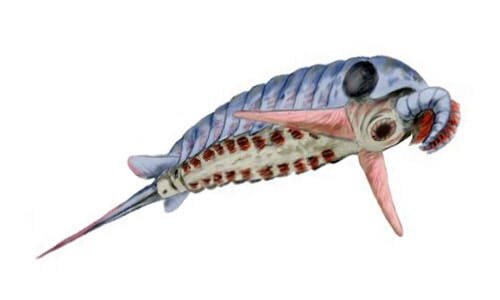
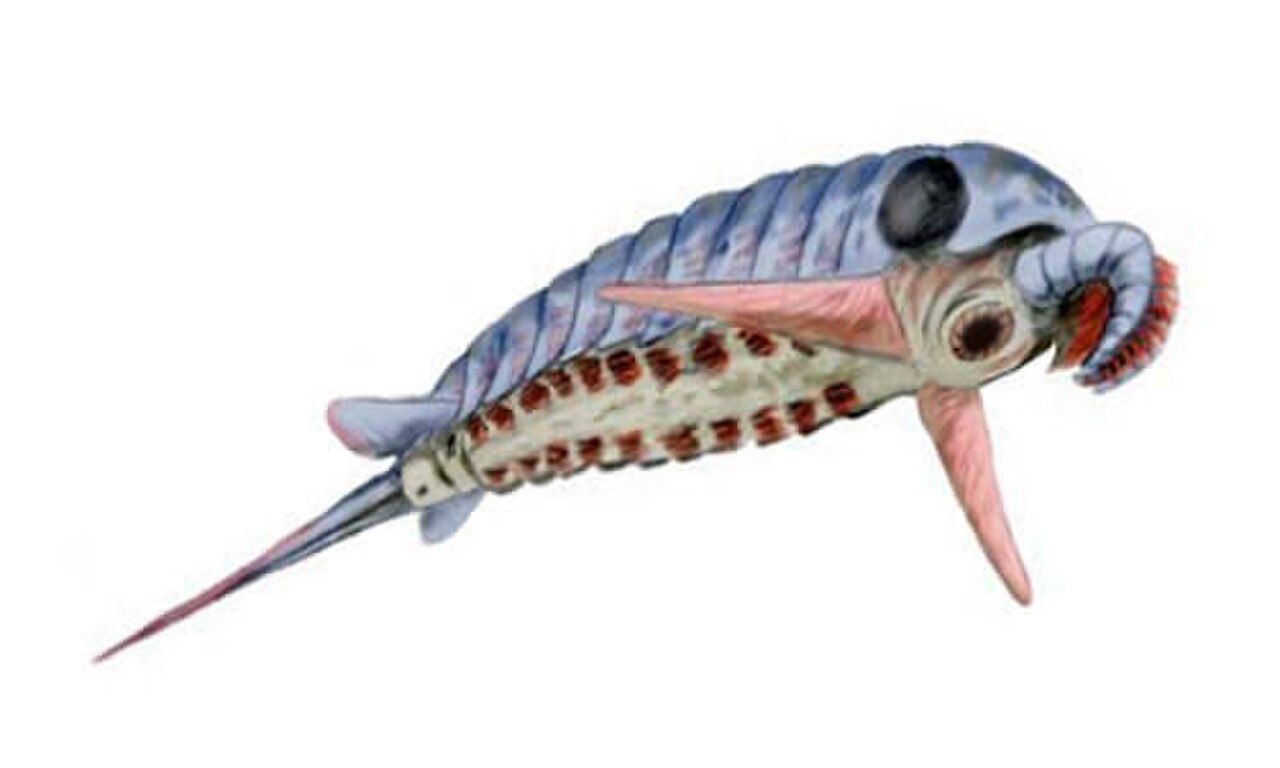
—observations
—countries
—peak records
ExtinctConservation statusIUCN Red List categoriesLCNTVUENCREWEXExtinctRed List categories, explained →
Diet & prey
- Trilobites
- Small arthropods
- Marine worms
Predators
- Placoderms
- Early ammonoids
- Large cephalopods
ThreatsExtinct (Devonian marine ecosystem turnover and environmental changes)
HabitatsShallow to moderately deep marine shelf seas
Life spanUnknown
Classification
- FamilyHurdiidae
- GenusSchinderhannes
- SpeciesSchinderhannes bartelsi
Range data is not available yet.
Interaction riskLow
- Low
- Moderate
- High
- Very high
- Why interaction risk is low
- Extinct prehistoric animal known only from museum fossil specimens; poses no hazard.
Responsible observation
- Museum Examination: Study high-resolution radiographic imaging and museum casts of the unique Hunsruck Slate holotype to observe soft-tissue detail.
- Fossil Ethics: Do not collect or purchase unauthorized slate specimens from European protected paleontological localities.
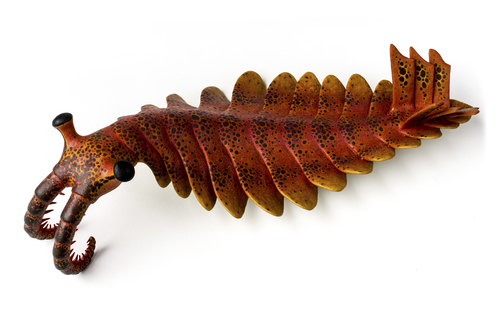
Related Radiodont (c) anonymous, some rights reserved (CC BY-SA) · cc-by-sa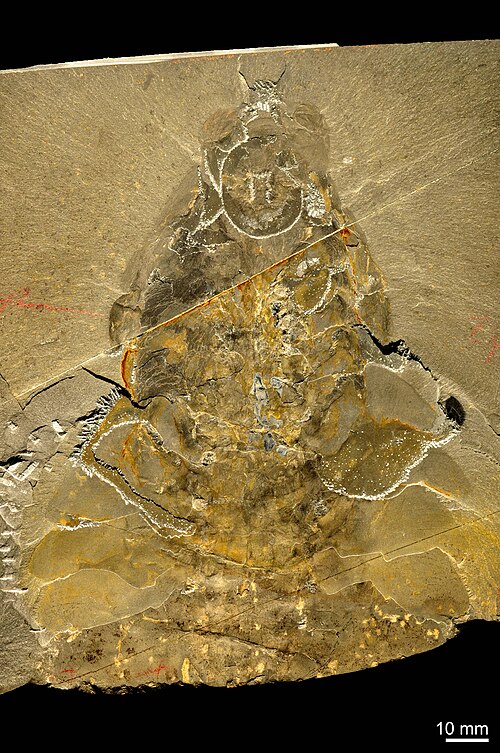
Same Family Han Zeng / CC0 · cc0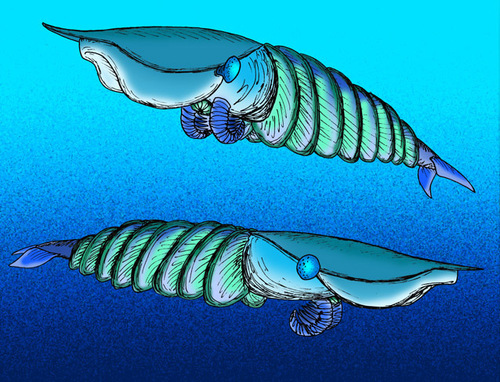
Same Family (c) Apokryltaros, some rights reserved (CC BY-SA) · cc-by-sa Image unavailable
Same Family Same Family
Help improve the field guideSomething wrong?
Checking your Fauna account…Report a name, category, or profile issue for review.