
Plant
Spikemoss
Selaginella myosurusAlso known as Mouse-tail Spikemoss, African Spikemoss
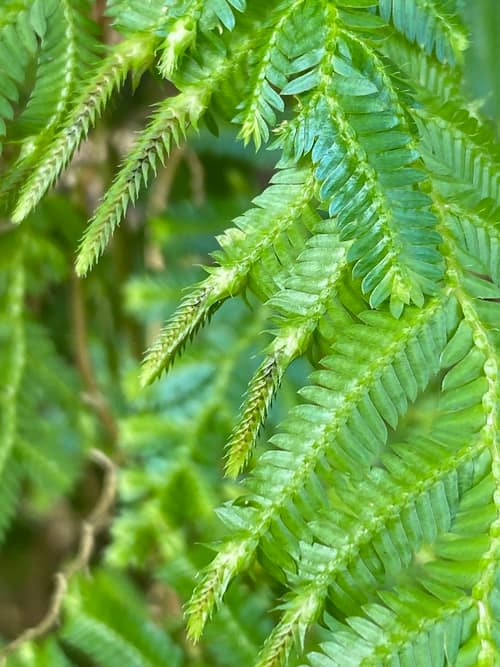
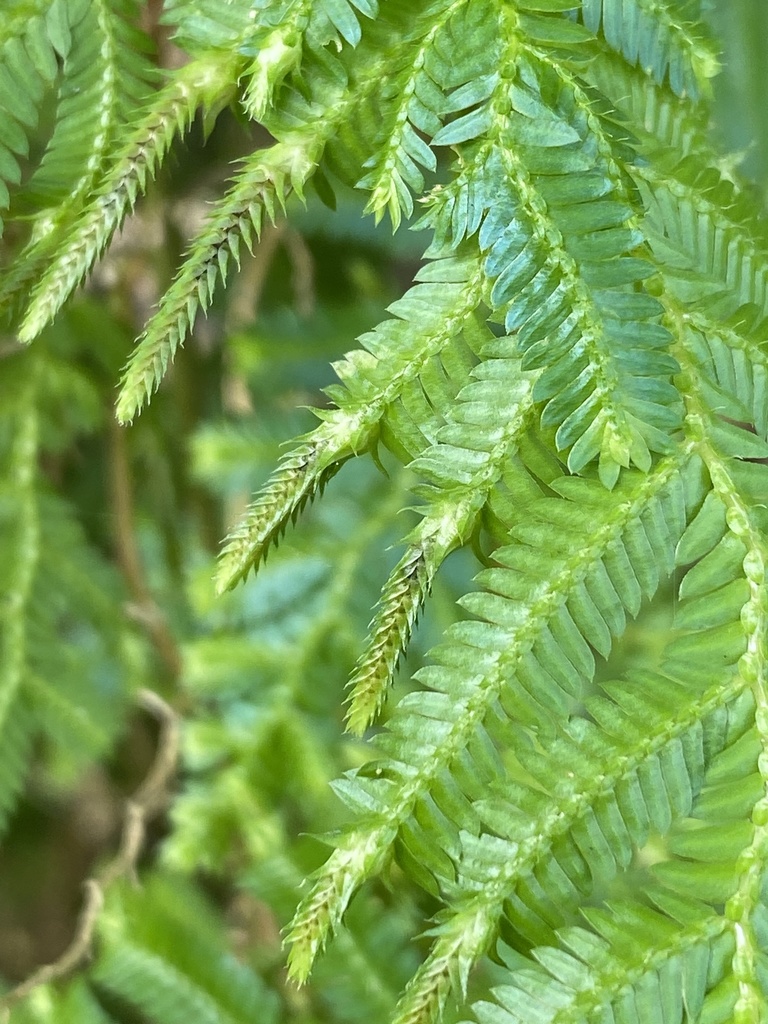
Mouse-tail spikemoss carpets damp, shaded tropical forest floors with intricate, fern-like mats of bright green foliage. These ancient vascular plants reproduce via microscopic spores housed in slender, tail-like cones at the branch tips. They play a vital ecological role by stabilizing moist soils and creating humid microhabitats for tiny forest invertebrates.
Spore-bearingShade-lovingTropical
—observations
—countries
—peak records
Not EvaluatedConservation statusIUCN Red List categoriesLCNTVUENCREWEXNot Evaluated — not placed on the risk ladderRed List categories, explained →
Diet & preySunlight, Water, Soil nutrients
Predators
- Snails
- Slugs
- Herbivorous insects
ThreatsDeforestation, habitat fragmentation, and climate change altering local humidity levels
HabitatsTropical rainforest floors, humid riverbanks, shaded ravines, and damp forest margins
Life spanPerennial
Classification
- FamilySelaginellaceae
- SpeciesSelaginella myosurus
Range data is not available yet.
Interaction riskLow
- Low
- Moderate
- High
- Very high
- Why interaction risk is low
- Safe to observe at a normal distance.
Responsible observation
- Look for strobili: Search the tips of the branches for the slender, tail-like spore cones that give this plant its name.
- Check moisture levels: Find these plants in highly humid, shaded microclimates near forest streams or wet rocks.
- Avoid trampling: Watch your step in damp tropical forests to avoid crushing the delicate, creeping mats.
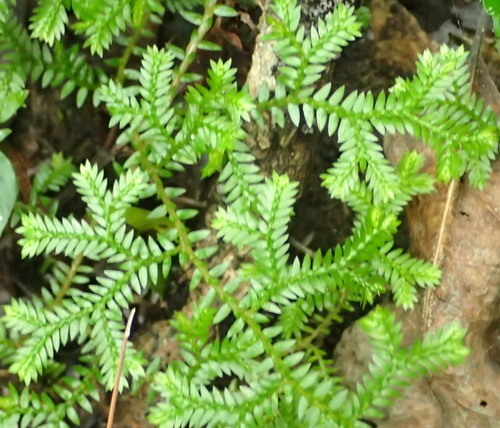
Close Relative (c) Nicola van Berkel, some rights reserved (CC BY-SA), uploaded by Nicola van Berkel · cc-by-sa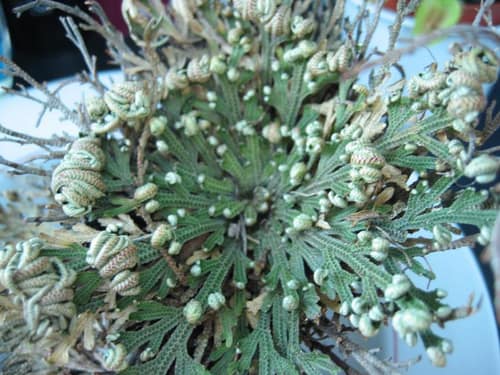
Close Relative Wikimedia Commons / CC BY-SA 3.0 · cc-by-sa Image unavailable
Close Relative
Help improve the field guideSomething wrong?
Checking your Fauna account…Report a name, category, or profile issue for review.