
Flower
Lavender Mist Meadowrue
Thalictrum rochebruneanumAlso known as Lavender Mist Meadow Rue, Japanese Meadow Rue
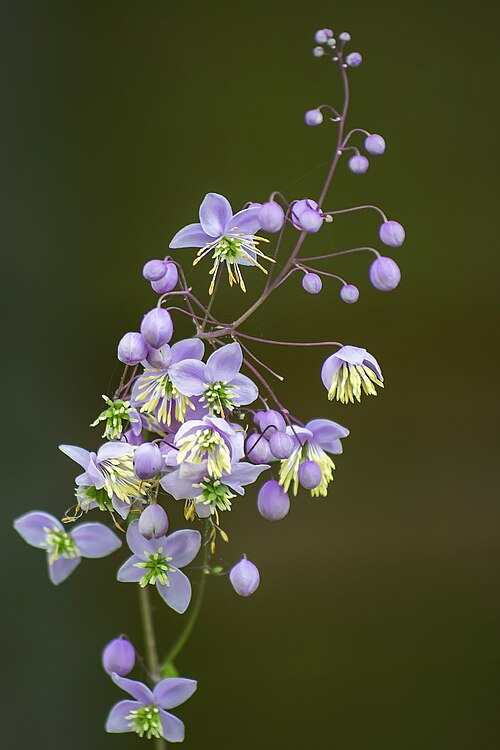
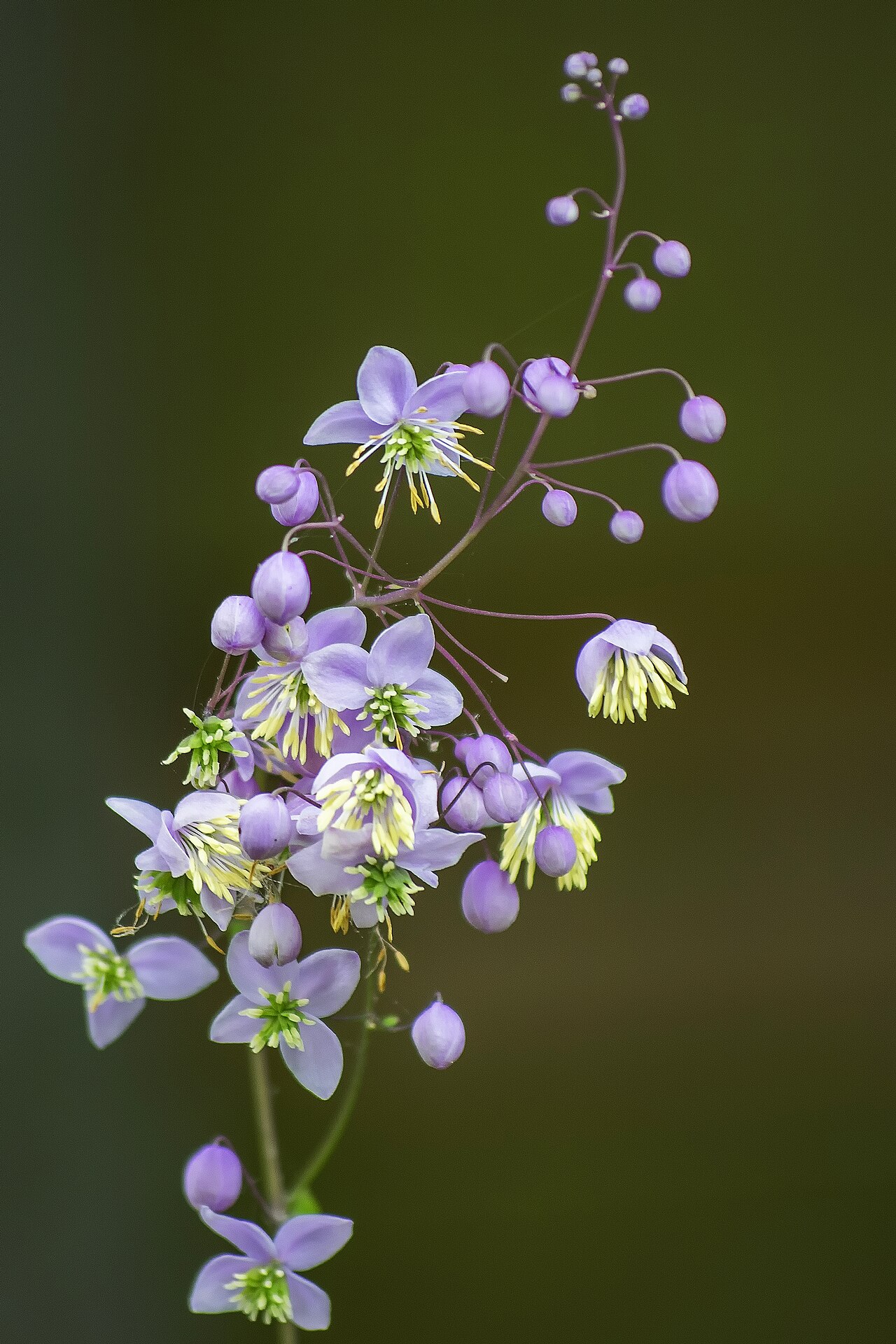
Lavender mist meadowrue commands attention in midsummer woodlands with lofty, purplish stems that bear cloud-like sprays of nodding violet sepals and contrasting bright yellow stamens. Its delicate, divided foliage resembles maidenhair fern leaves and holds a cool blue-green tint throughout the growing season. In its native East Asian mountain stream banks, these tall floral wands sway readily in gentle breezes, creating a distinctive haze effect across the understory.
FloweringPerennialWoodland
—observations
—countries
—peak records
Not EvaluatedConservation statusIUCN Red List categoriesLCNTVUENCREWEXNot Evaluated — not placed on the risk ladderRed List categories, explained →
Diet & preyAutotrophic (photosynthetic)
Predators
- Slugs
- Snails
- Aphids
ThreatsHabitat loss from mountain road development and invasive groundcover competition
HabitatsMoist mountain woodlands, stream margins, and damp meadows
Life spanPerennial (10–20+ years)
Classification
- OrderRanunculales
- FamilyRanunculaceae
- GenusThalictrum
- SpeciesThalictrum rochebruneanum
Range data is not available yet.
Interaction riskHigh
- Low
- Moderate
- High
- Very high
- Why interaction risk is high
- Plant tissues contain bitter alkaloids; keep away from grazing pets and do not ingest.
- Why it is dangerous
- Contains isoquinoline alkaloids that cause stomach irritation, nausea, and vomiting if consumed in quantity.
- How to recognize a risky encounter
- Distinguishable by delicate maidenhair-like foliage and towering purple stems bearing misty lavender blossoms.
- What to do
- Wash hands after cutting or handling crushed foliage, and prevent pets from chewing the stems.
Responsible observation
- Garden placement: Plant in rich, moist soil in partial shade sheltered from strong wind.
- Observing blooms: Look closely at the nodding flower buds just before they release powdery yellow pollen.
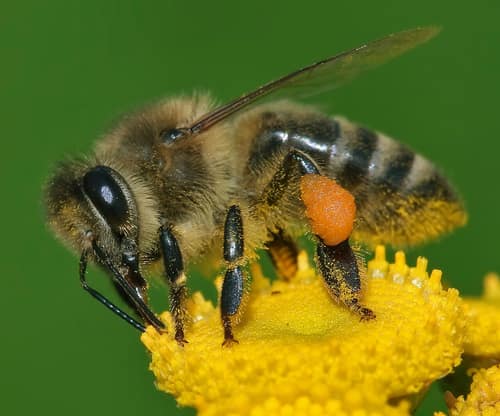
Pollinator Andreas Trepte / CC BY-SA 2.5 · cc-by-sa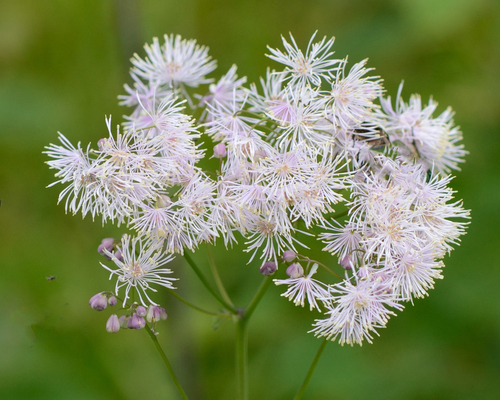
Close Relative (c) Fyodor Pudovikov, some rights reserved (CC BY), uploaded by Fyodor Pudovikov · cc-by Image unavailable
Close Relative
Help improve the field guideSomething wrong?
Checking your Fauna account…Report a name, category, or profile issue for review.