
Plant · GBIF taxon 4925538
Cabbage Palm
Sabal palmettoAlso known as Carolina Palmetto, Cabbage Palmetto, Swamp Cabbage, Sabal Palm
Cabbage palms dominate coastal landscapes across the southeastern United States, anchoring sandy shorelines and maritime hammocks against hurricane winds. Their fan-shaped fronds emerge from a single growing heart, while dense clusters of dark autumn berries sustain migrating songbirds and small mammals. The fibrous trunks frequently retain old crisscrossing leaf bases that shelter epiphytic ferns, tree frogs, and roosting bats.
TreeCoastalEvergreen
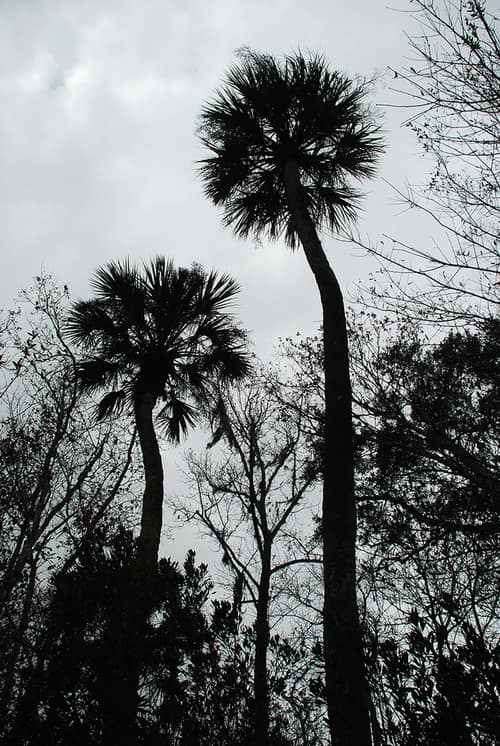
 1 / 7
1 / 7—observations
—countries
—peak records
Least ConcernConservation statusIUCN Red List categoriesLCNTVUENCREWEXLeast ConcernRed List categories, explained →
Diet & prey
- Photosynthetic (autotroph)
Predators
- Palmetto Weevil
- Palm Leaf Skeletonizer
- White-tailed Deer
ThreatsLethal bronzing disease, severe storm surge erosion, and land development
HabitatsMaritime forests, coastal dunes, swamps, and pine flatwoods
Life span100–150 years
Size / weightNot available
Classification
- OrderArecales
- FamilyArecaceae
- GenusSabal
- SpeciesSabal palmetto
Range data is not available yet.
Interaction riskLow
- Low
- Moderate
- High
- Very high
- Why interaction risk is low
- Safe to observe at a normal distance; wild berries have toxic look-alikes, so never ingest wild fruits.
Responsible observation
- Visual ID: Look for costapalmate fronds, where the leaf stem extends deep into the fan blade.
- Epiphytes: Inspect old leaf bases on the trunk for resident resurrection ferns and orchids.
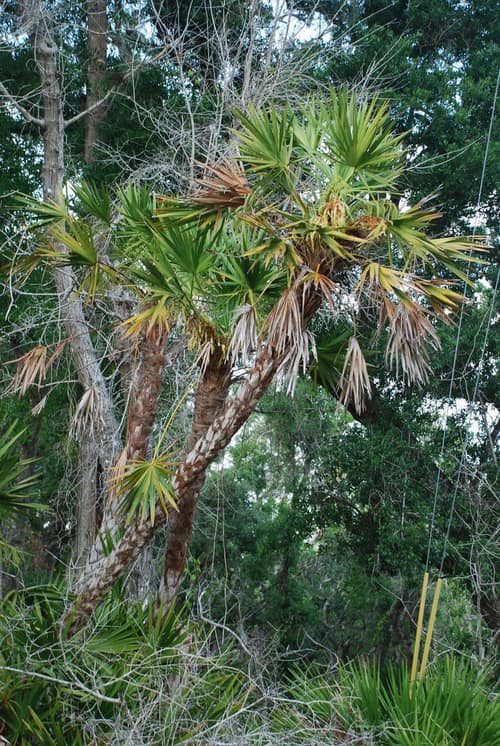
Co-occurring Palm (c) Douglas Goldman, some rights reserved (CC BY-SA), uploaded by Douglas Goldman · cc-by-sa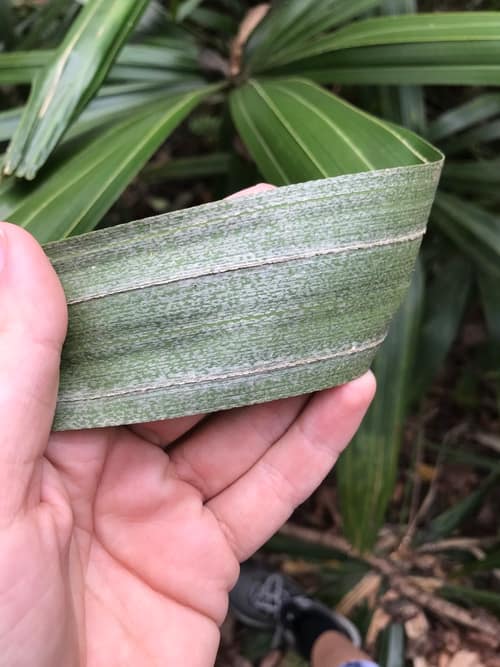
Co-occurring Palm (c) Farren Dell Rossman, some rights reserved (CC BY), uploaded by Farren Dell Rossman · cc-by
Close Relative (c) Larry D. Moore, some rights reserved (CC BY) · cc-by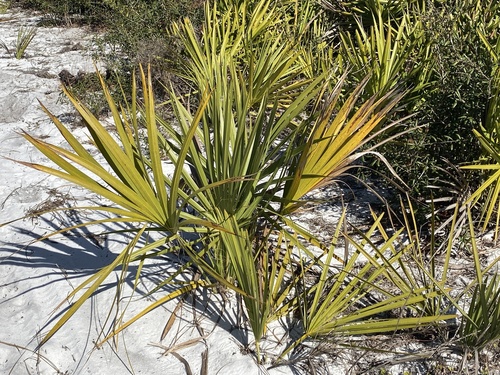
Close Relative (c) Judy Gallagher, some rights reserved (CC BY-SA), uploaded by Judy Gallagher · cc-by-sa
Help improve the field guideSomething wrong?
Checking your Fauna account…Report a name, category, or profile issue for review.