
Plant
Lion's Ear
Leonotis nepetifoliaAlso known as Klip Dagga, Christmas Candlestick, Hollowstalk, Bird Honey
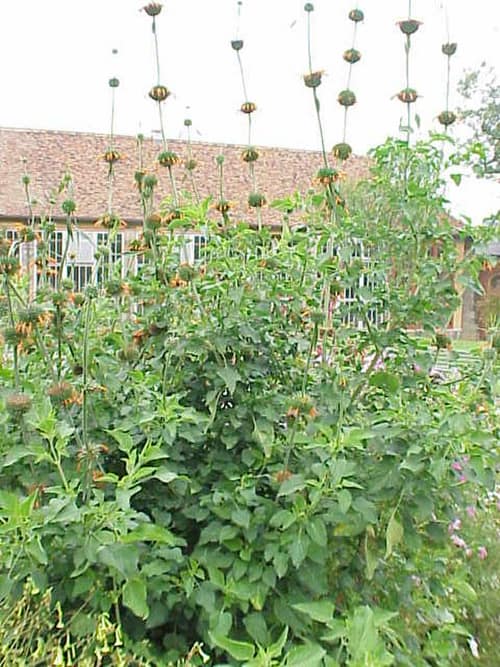
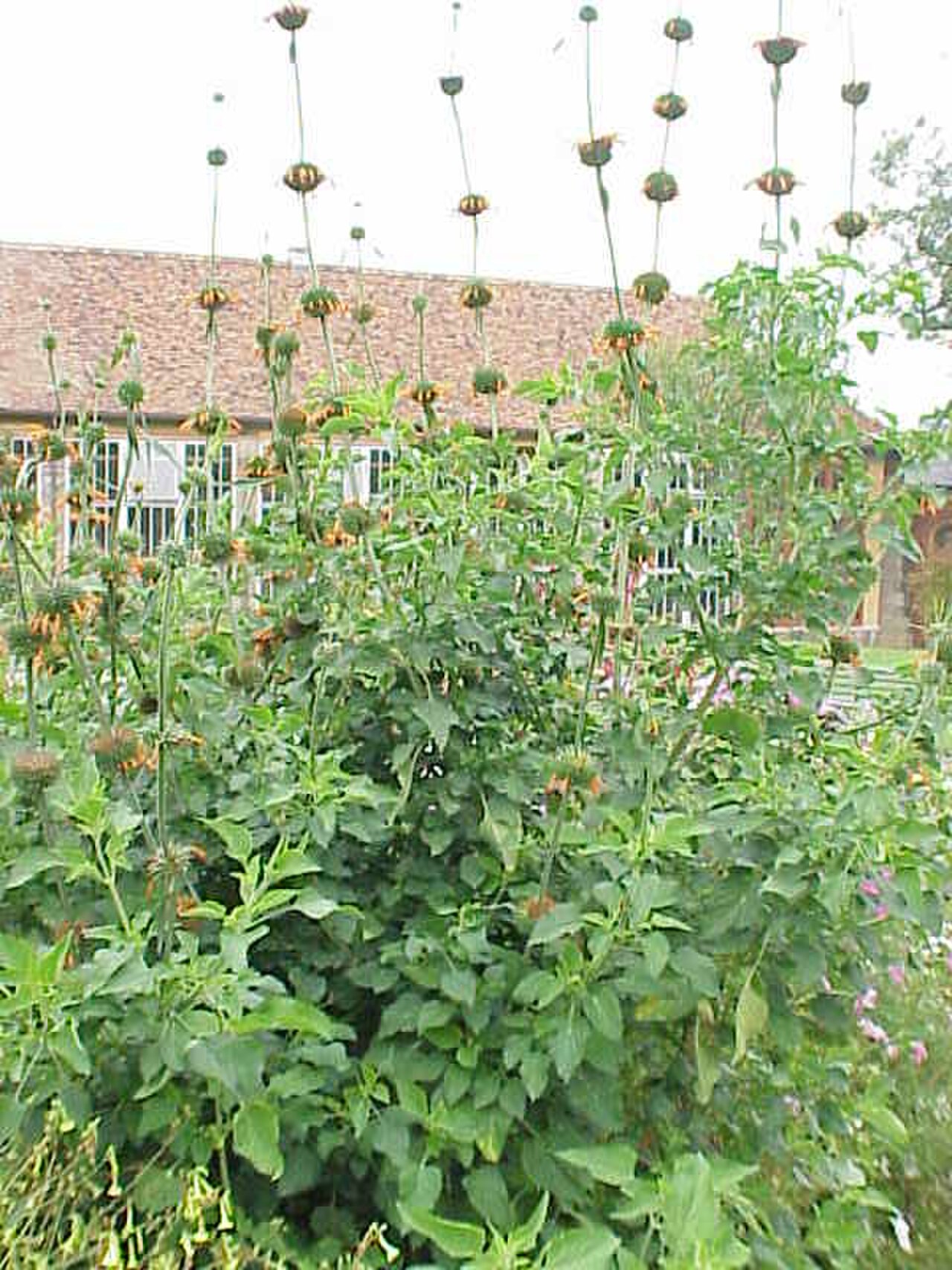
Lion's ear stands out with tall, square stems bearing spiky spherical whorls of tubular, curved orange blossoms that resemble miniature lions' manes. Indigenous to tropical grasslands and disturbed soils, it thrives in warm climates where it rapidly establishes in sunlit openings and margins. The blossoms produce copious nectar that serves as a vital energy station for long-billed sunbirds, hummingbirds, and diverse insect pollinators.
FloweringPollinator PlantHerbaceous
—observations
—countries
—peak records
Not EvaluatedConservation statusIUCN Red List categoriesLCNTVUENCREWEXNot Evaluated — not placed on the risk ladderRed List categories, explained →
Diet & preyAutotrophic (photosynthetic)
Predators
- Aphids
- Spider Mites
- Grasshoppers
ThreatsHabitat clearance, weed control management, and severe frost
HabitatsDisturbed soils, roadsides, grasslands, and agricultural margins
Life span1–2 years (annual to short-lived perennial)
Classification
- FamilyLamiaceae
- SpeciesLeonotis nepetifolia
Range data is not available yet.
Interaction riskLow
- Low
- Moderate
- High
- Very high
- Why interaction risk is low
- Safe to observe at a normal distance.
Responsible observation
- Observation Timing: Watch early in the morning when nectar secretion peaks and sunbirds or hummingbirds arrive to feed.
- Handling Spines: Take care when touching dried seed heads, as the calyx tips harden into sharp, prickly points.
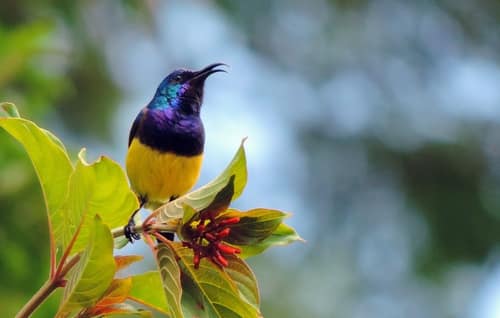
Pollinator (c) i_c_riddell, some rights reserved (CC BY), uploaded by i_c_riddell · cc-by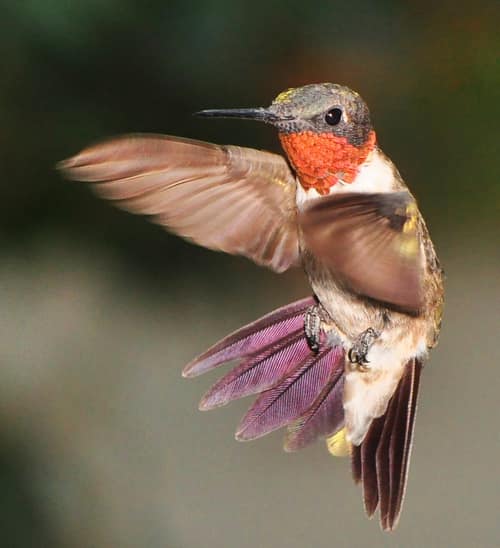
Pollinator jeffreyw / CC BY 2.0 · cc-by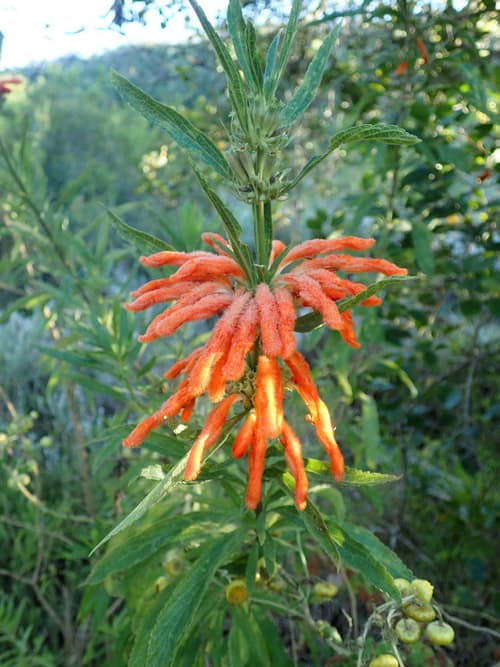
Close Relative (c) Nicola van Berkel, some rights reserved (CC BY-SA), uploaded by Nicola van Berkel · cc-by-sa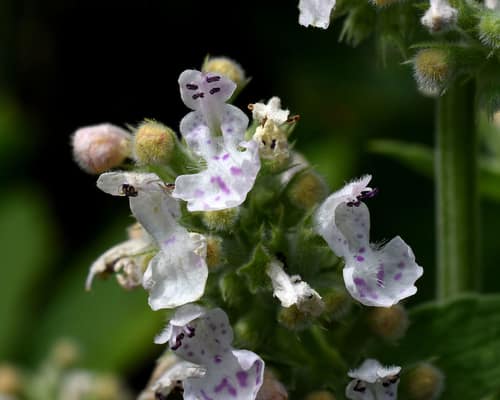
Same Family (c) davecz2, some rights reserved (CC BY-SA), uploaded by davecz2 · cc-by-sa
Help improve the field guideSomething wrong?
Checking your Fauna account…Report a name, category, or profile issue for review.