
Bird · GBIF taxon 4851668
Parea
Hemiphaga chathamensisAlso known as Chatham Pigeon, Chatham Island Pigeon, Chatham Islands Pigeon
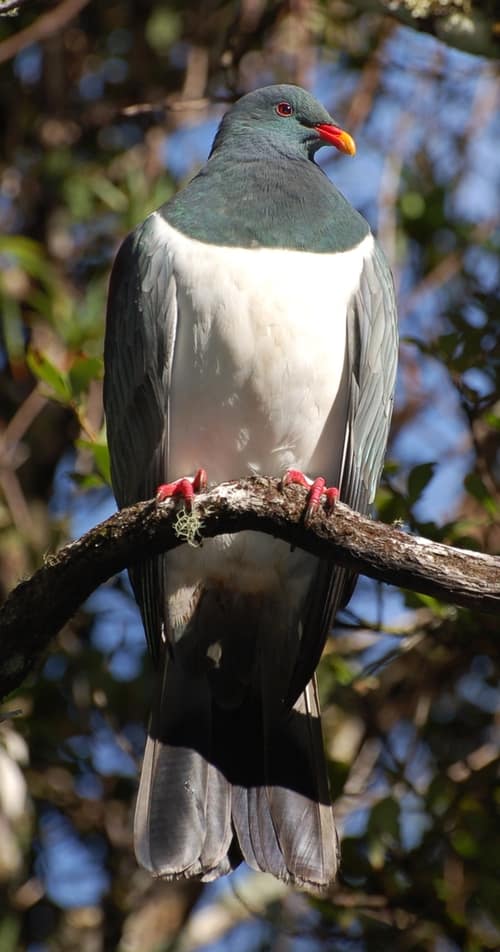
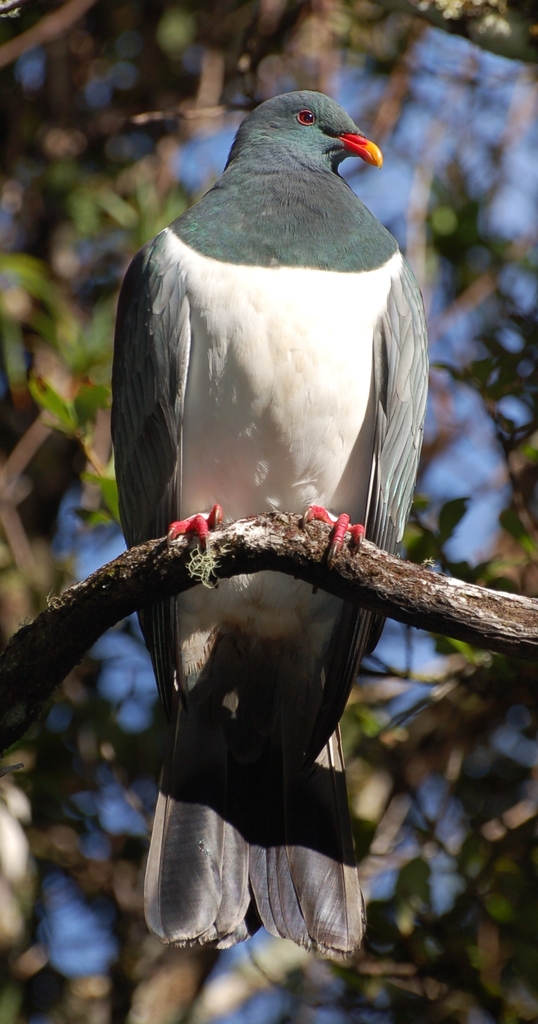
Parea rank among the heaviest pigeons in the world, playing a critical role as the primary seed dispersers for large-fruited canopy trees across the Chatham Islands. Their brilliant iridescent emerald-green feathers, crisp white waistcoats, and bright crimson bills make them striking forest canopy residents. Intensive predator management and habitat restoration have allowed populations to gradually recover in protected reserves.
EndemicFrugivoreIsland Native
—observations
—countries
—peak records
VulnerableConservation statusIUCN Red List categoriesLCNTVUENCREWEXVulnerableRed List categories, explained →
Diet & prey
- Kopi Fruit
- Nikau Fruit
- Tupakihi Berries
Predators
- Feral Cats
- Possums
- Rats
ThreatsPredation by introduced cats, possums, and rats
HabitatsBroadleaf forest, regenerating scrub, and canopy reserves
Life span15–25 years
Size / weightNot available
Classification
- FamilyColumbidae
- SpeciesHemiphaga chathamensis
Range data is not available yet.
Interaction riskLow
- Low
- Moderate
- High
- Very high
- Why interaction risk is low
- Safe to observe at a normal distance.
- What to notice
- Look for a very large pigeon with iridescent green upperparts, a stark white breast, and a coral-red bill.
- Support conservation
- Keep a respectful distance, stay on established walking trails, and avoid disturbing nest sites.
Responsible observation
- Observing: Scan the upper forest canopy for large, heavy-bodied pigeons sitting quietly among fruit branches.
- Trail etiquette: Stick to marked paths in reserves like Nikau Bush to avoid disturbing ground nest sites.
- Listening: Listen for sudden, heavy wing-claps as they take flight through dense foliage.
 Image unavailable
Forest Companion 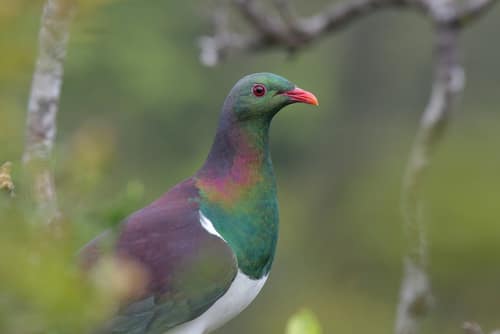
Close Relative (c) Christopher Stephens, some rights reserved (CC BY-SA), uploaded by Christopher Stephens · cc-by-sa
Help improve the field guideSomething wrong?
Checking your Fauna account…Report a name, category, or profile issue for review.