
Bird · GBIF taxon 4848924
New Zealand King Shag
Leucocarbo carunculatusAlso known as Rough-faced Shag, Kawau Pāteketeke, King Shag
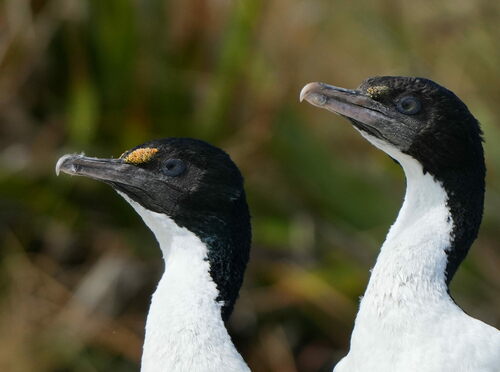
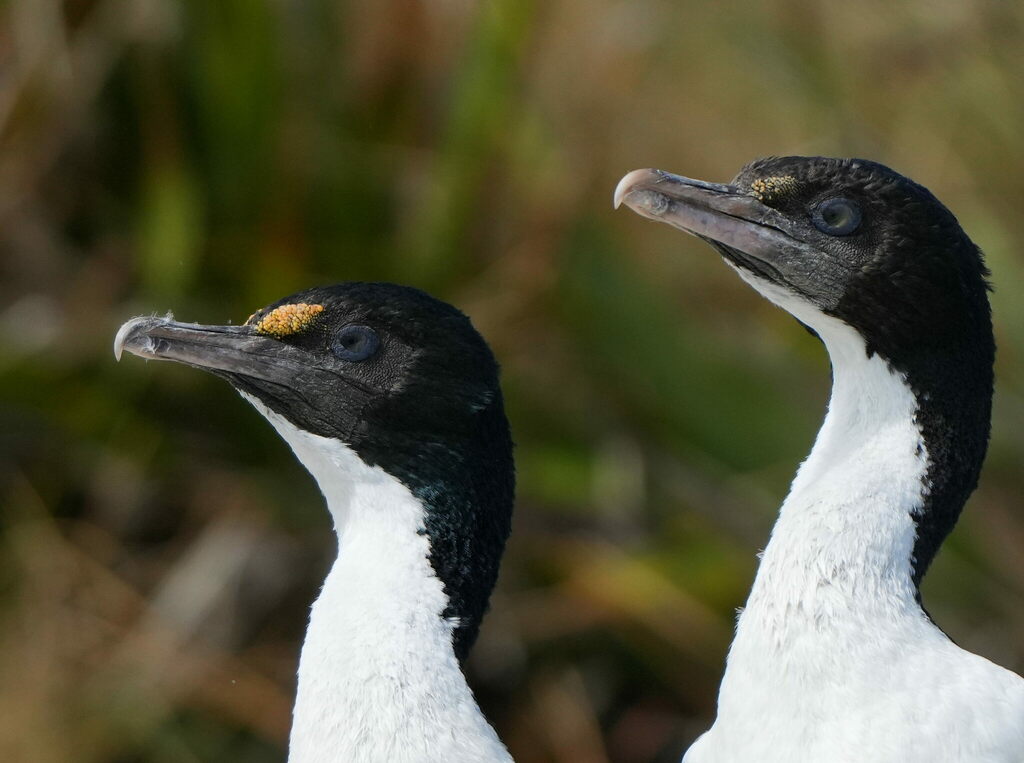
New Zealand king shags command the sheltered marine waters of the Marlborough Sounds with impressive deep-diving prowess. Striking black-and-white plumage, bright pink feet, and small yellow bumps near the bill base make adults easy to identify on their rocky roosting ledges. Colonies remain tethered to a handful of tiny offshore islets, foraging for flatfish along seafloors up to 50 meters deep.
EndemicSeabirdCoastal
 1 / 7
1 / 7—observations
—countries
—peak records
VulnerableConservation statusIUCN Red List categoriesLCNTVUENCREWEXVulnerableRed List categories, explained →
Diet & prey
- Flatfish
- Wrasse
- Bottom-dwelling crabs
Predators
- New Zealand fur seal
- Kelp gull
ThreatsAccidental fishing bycatch, marine aquaculture expansion, human disturbance
HabitatsCoastal marine waters, sheltered bays, rocky islets
Life span15–20 years
Size / weightNot available
Classification
- FamilyPhalacrocoracidae
- SpeciesLeucocarbo carunculatus
Range data is not available yet.
Interaction riskLow
- Low
- Moderate
- High
- Very high
- Why interaction risk is low
- Maintains safe distance from people; can deliver a sharp peck with its hooked bill if handled.
- What to notice
- Look for a large black-and-white cormorant with bright pink feet, white wing patches, and yellow facial caruncles.
- Support conservation
- Maintain a distance of at least 50 meters by boat, and never land on known breeding islets.
Responsible observation
- Observe from Boats: View colonies using telephoto lenses or binoculars from watercraft, remaining at least 50 meters away.
- Respect Nesting Sites: Avoid landing on small rocky roosting islets in Marlborough Sounds during winter.
- Watch Deep Dives: Look for birds surfacing with flatfish after deep forage dives lasting over a minute.
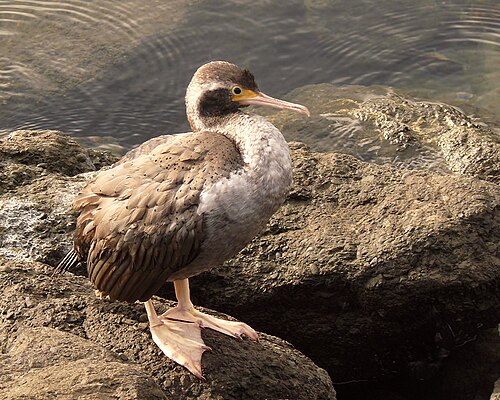
Co-occurring Species Sid Mosdell from New Zealand / CC BY 2.0 · cc-by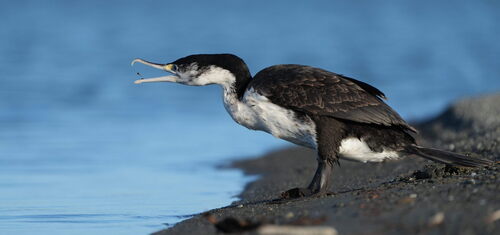
Co-occurring Species (c) William Harland, some rights reserved (CC BY) · cc-by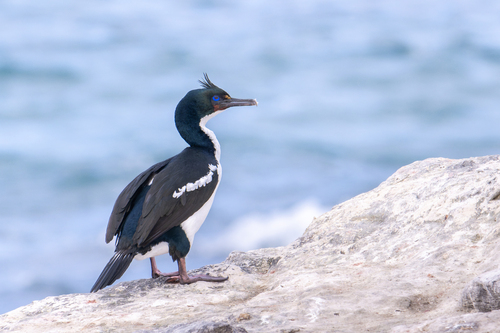
Close Relative (c) Saryu Mae 前 朝琉, some rights reserved (CC BY), uploaded by Saryu Mae 前 朝琉 · cc-by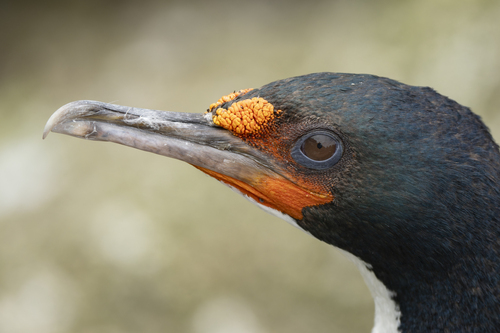
Close Relative (c) Saryu Mae 前 朝琉, some rights reserved (CC BY), uploaded by Saryu Mae 前 朝琉 · cc-by
Help improve the field guideSomething wrong?
Checking your Fauna account…Report a name, category, or profile issue for review.