
Bird
King Island Emu
Dromaius minorAlso known as Black Emu, Dwarf Emu
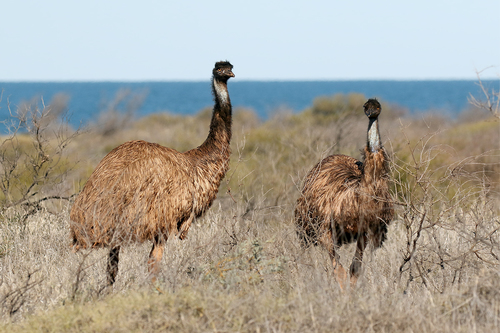
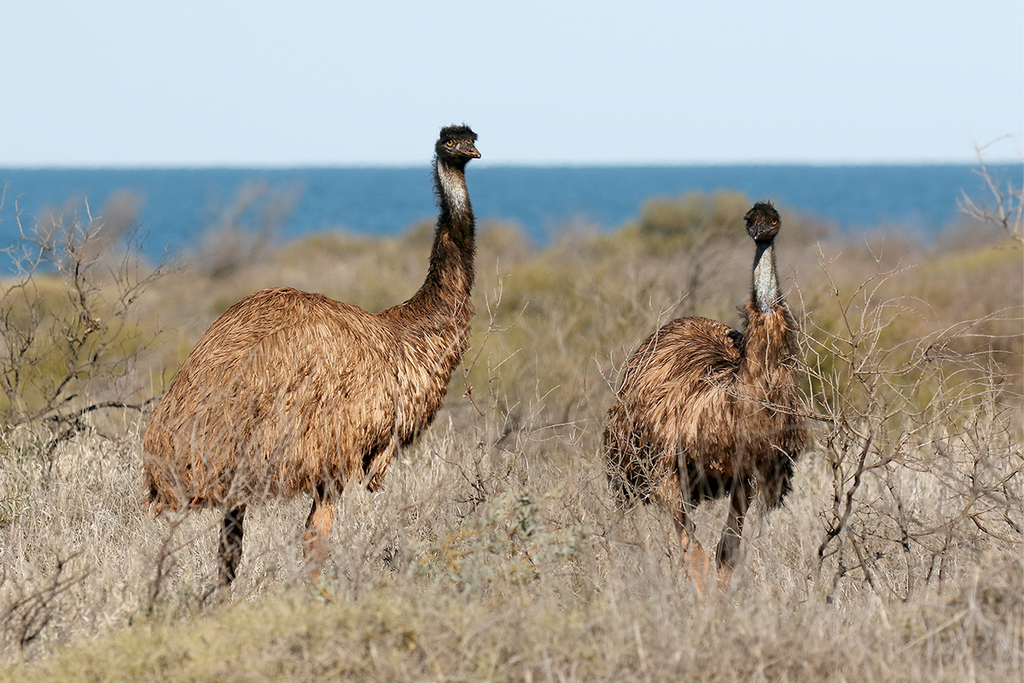
King Island emus were diminutive, darker cousins of mainland emus, having evolved compact bodies through insular dwarfism after rising sea levels severed King Island from Tasmania. Flocks roamed maritime scrub, coastal dunes, and rocky shores, feeding along the tidal wrackline and communicating with low grunting calls. Intense hunting by early nineteenth-century sealers and rapid habitat destruction led to their swift extinction within just a few decades of European arrival.
FlightlessIsland Dwarf
—observations
—countries
—peak records
ExtinctConservation statusIUCN Red List categoriesLCNTVUENCREWEXExtinctRed List categories, explained →
Diet & preyNative berries, Coastal grasses, Seaweed
Predators
- Humans
- Feral dogs
ThreatsOverhunting by sealers, introduced dogs, and frequent bush fires
HabitatsCoastal scrub, heathlands, tussock grasslands, and shorelines
Life spanEstimated 10–20 years
Classification
- OrderCasuariiformes
- FamilyDromaiidae
- GenusDromaius
- SpeciesDromaius minor
Range data is not available yet.
Interaction riskLow
- Low
- Moderate
- High
- Very high
- Why interaction risk is low
- Extinct species; known only from historical records and museum specimens.
Responsible observation
- Museum Study: View preserved skins, bones, and eggshells held in natural history collections.
- Historical Awareness: Respect historical fossil-bearing dune sites across King Island.
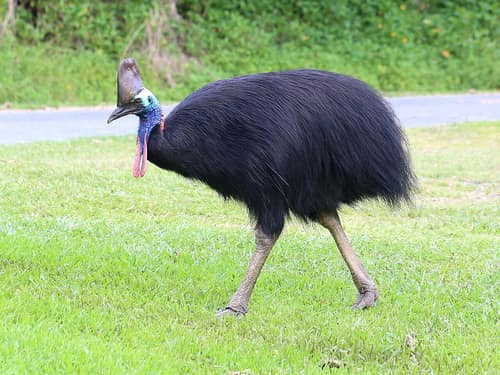
Same Order Summerdrought / CC BY-SA 4.0 · cc-by-sa
Close Relative (c) patrickkavanagh, some rights reserved (CC BY) · cc-by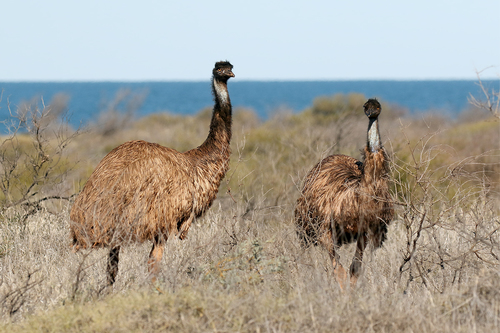
Close Relative (c) patrickkavanagh, some rights reserved (CC BY) · cc-by
Help improve the field guideSomething wrong?
Checking your Fauna account…Report a name, category, or profile issue for review.