
Species
Pteraspis rostrata
Pteraspis rostrataPteraspis rostrata cruised shallow coastal lagoons and estuaries during the Early Devonian, protected by heavy dermal bone plates that encased its head and forward body. It lacked paired pectoral and pelvic fins, using a downward-pointing hypocercal tail and fixed lateral spines for hydrofoil lift and forward propulsion. Its snout extended into a sharp, rigid rostrum that likely aided streamlining and helped probe muddy sediments for tiny benthic prey.
Jawless FishPrehistoric
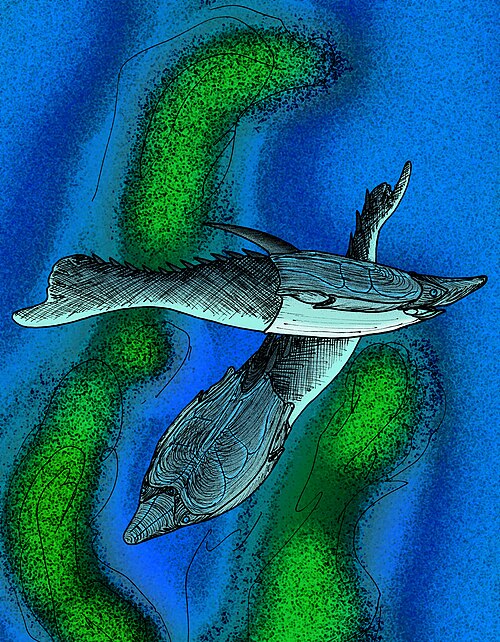
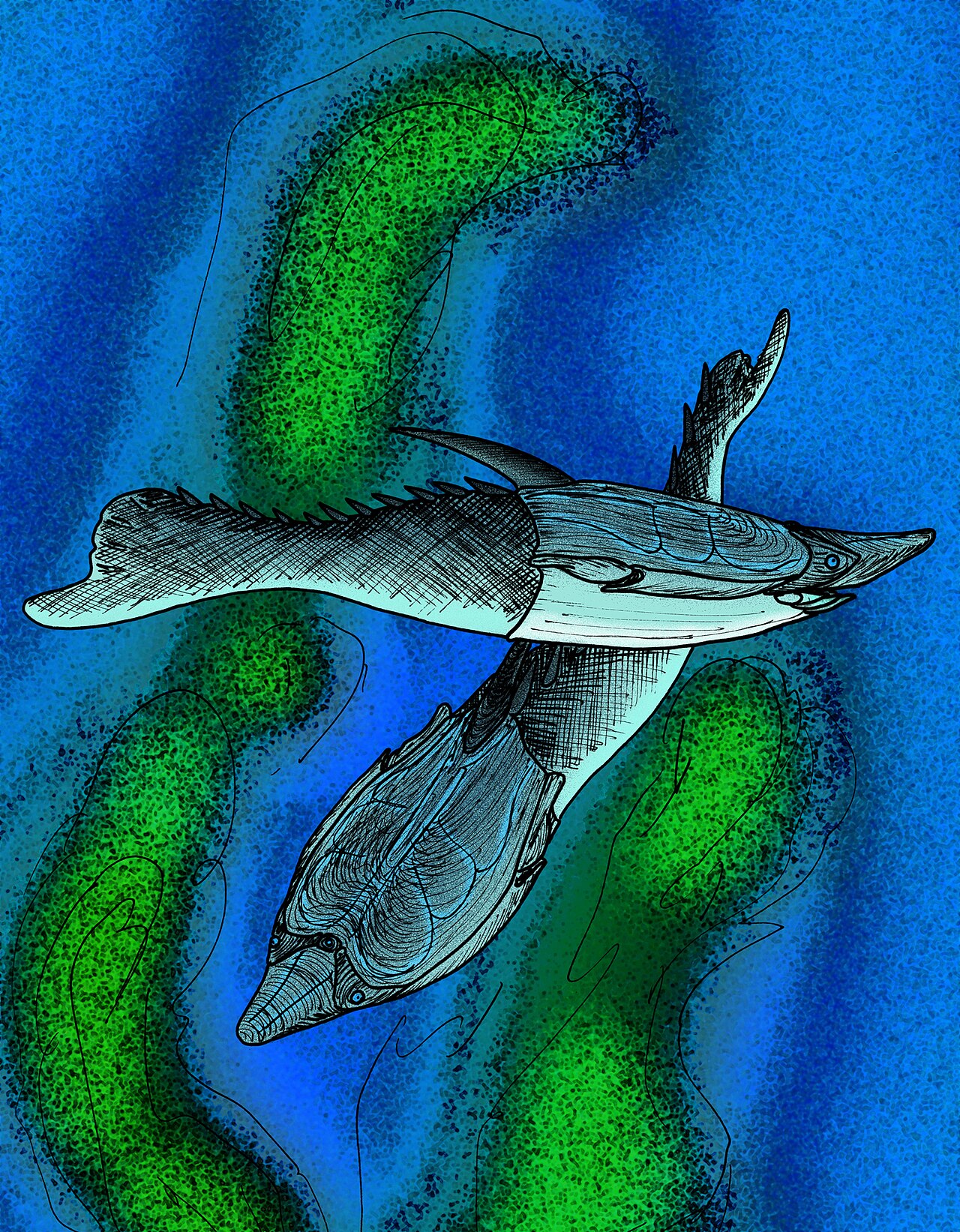
—observations
—countries
—peak records
ExtinctConservation statusIUCN Red List categoriesLCNTVUENCREWEXExtinctRed List categories, explained →
Diet & preyMicroscopic algae, Organic detritus, Small invertebrates
Predators
- Eurypterids
- Early placoderms
- Sarcopterygians
ThreatsEvolution of jawed predators and environmental turnover
HabitatsShallow marine waters, lagoons, and estuarine shallows
Life spanEstimated 3–8 years
Classification
- FamilyPteraspididae
- SpeciesPteraspis rostrata
Range data is not available yet.
Interaction riskLow
- Low
- Moderate
- High
- Very high
- Why interaction risk is low
- Extinct fossil species; safe to observe in museum displays and rock strata.
Responsible observation
- Fossil Identification: Look for grooved dermal plates and a pronounced snout in Early Devonian Old Red Sandstone.
- Museum Viewing: Examine articulated head shields in natural history collections to observe the stabilizer spines.
 Image unavailable
Related Heterostracan 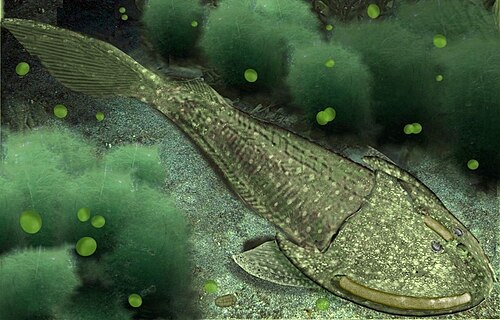
Contemporary Agnathan Rod6807 / CC BY-SA 3.0 · cc-by-sa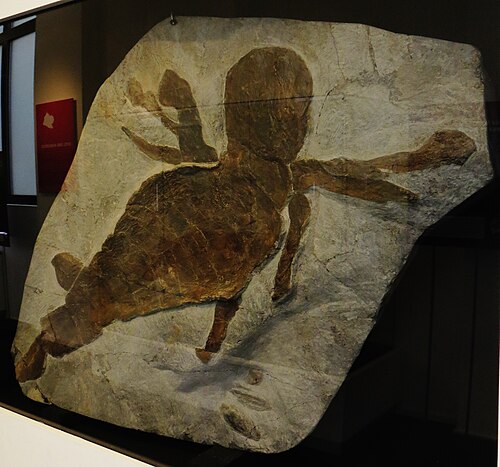
Predator Ghedoghedo / CC BY-SA 4.0 · cc-by-sa
Help improve the field guideSomething wrong?
Checking your Fauna account…Report a name, category, or profile issue for review.