
Mammal · GBIF taxon 4832730
Murrayglossus
Zaglossus hackettiAlso known as Hackett's Giant Echidna
Hackett's giant echidna was a colossal monotreme that lumbered through the Pleistocene woodlands of Western Australia, dwarfing all modern relatives. Its lengthened limbs and robust forearms allowed it to stride effectively through open brush and excavate formidable mounds of social insects. Like living echidnas, it likely relied on an elongated, sensitive snout and a long sticky tongue to scoop up burrowing invertebrates.
FossilPrehistoric
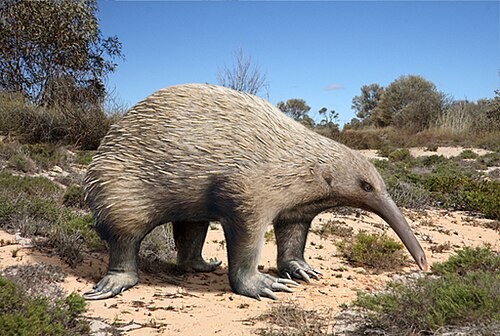
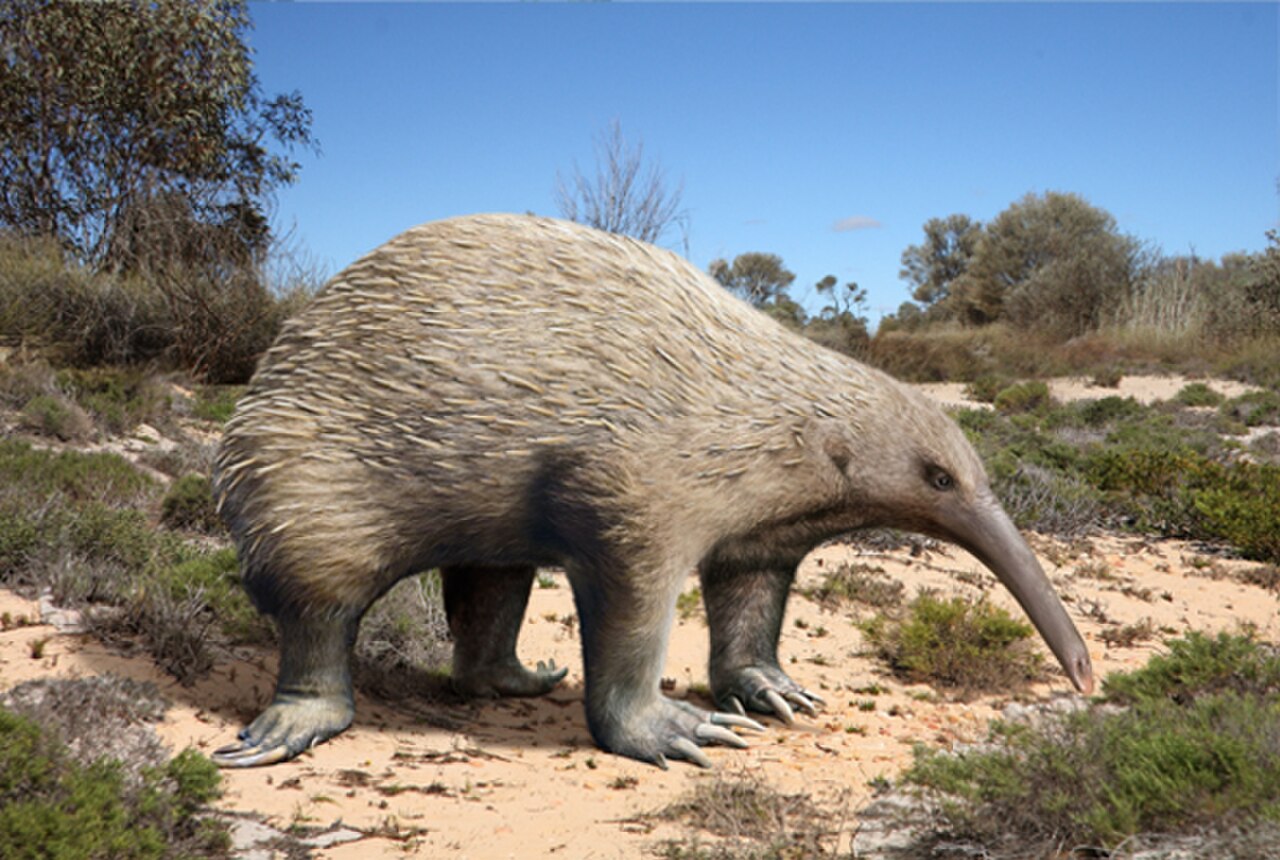
Licensed referenceAlex Uchytel / CC BY-SA 4.0 · cc-by-sa
—observations
—countries
—peak records
ExtinctConservation statusIUCN Red List categoriesLCNTVUENCREWEXExtinctRed List categories, explained →
Diet & prey
- Termites
- Ants
- Beetle larvae
Predators
- Thylacoleo carnifex
- Varanus priscus
ThreatsLate Quaternary climatic shifts and possible hunting by early humans
HabitatsPleistocene open woodlands and forested environments
Life spanUnknown (estimated 30–50 years based on modern monotremes)
Classification
- FamilyTachyglossidae
- SpeciesZaglossus hacketti
Range data is not available yet.
Interaction riskLow
- Low
- Moderate
- High
- Very high
- Why interaction risk is low
- Extinct species known only from Pleistocene fossil remains.
Responsible observation
- Museum Viewing: Look for fossilized casts and bone fragments preserved in natural history collections.
- Anatomical Study: Compare its unusually long limb bones with the squat legs of modern echidnas.
 Image unavailable
Predator 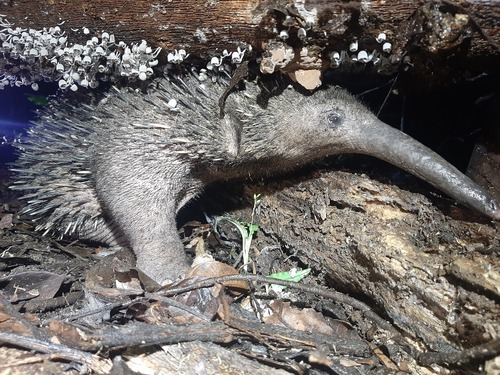
Close Relative (c) Daniel, some rights reserved (CC BY), uploaded by Daniel · cc-by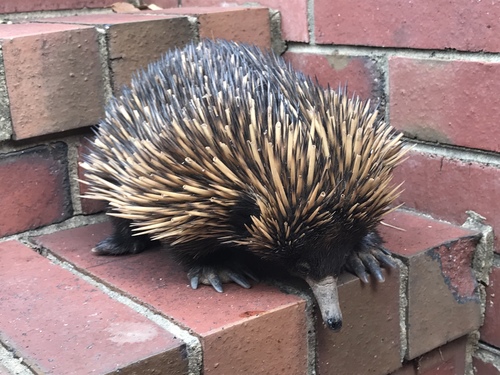
Same Family no rights reserved · cc0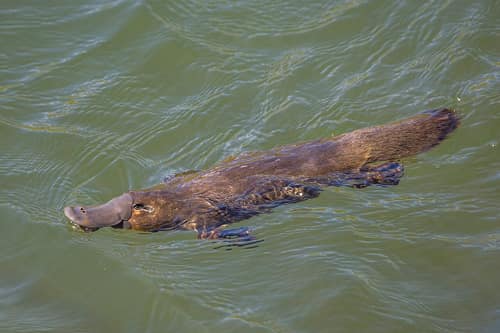
Distant Relative Charles J. Sharp / CC BY-SA 4.0 · cc-by-sa
Help improve the field guideSomething wrong?
Checking your Fauna account…Report a name, category, or profile issue for review.