
Mammal
Zeuglodon cetoides
Zeuglodon cetoidesAlso known as Basilosaurus, King Lizard Whale, Yoke-toothed Whale
Basilosaurus cetoides was an immense, serpentine apex predator that swam through warm Eocene seas roughly 35 to 40 million years ago. Unlike modern whales, it possessed a long, slender body with distinct heterodont teeth built for shearing flesh and crushing bone, along with vestigial hind limbs complete with tiny feet. Its uniquely elongated vertebrae suggest it propelled itself primarily through eel-like undulations of its torso rather than the rigid, fluke-driven swimming of living cetaceans.
PrehistoricMarineApex Predator
—observations
—countries
—peak records
ExtinctConservation statusIUCN Red List categoriesLCNTVUENCREWEXExtinctRed List categories, explained →
Diet & preyDorudon atrox, Prehistoric sharks, Bony fish
ThreatsEocene-Oligocene climatic cooling and habitat loss
HabitatsWarm, shallow coastal seas and continental shelves
Life span30–45 years
Classification
- FamilyBasilosauridae
- SpeciesZeuglodon cetoides
Range data is not available yet.
Interaction riskLow
- Low
- Moderate
- High
- Very high
- Why interaction risk is low
- Extinct prehistoric species; fossil specimens are safe to study.
Responsible observation
- Museum Displays: Examine fossil jaws to spot the distinctive serrated, double-rooted cheek teeth.
- Fossil Etiquette: Leave any exposed in situ marine fossils intact and report them to paleontologists.
- Anatomy Insight: Look closely at skeletal mounts to observe the diminutive, vestigial hind legs.
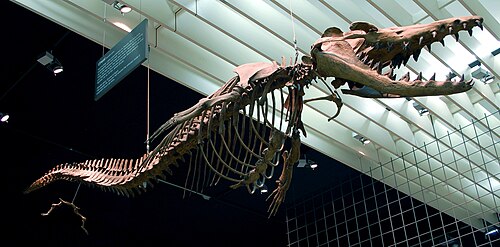
Prey EvaK / CC BY-SA 2.5 · cc-by-sa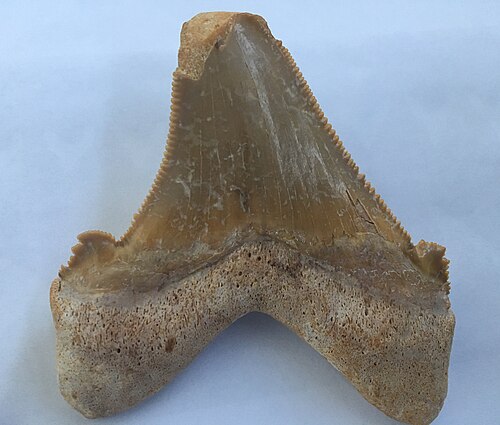
Competitor WhodamanHD / CC0 · cc0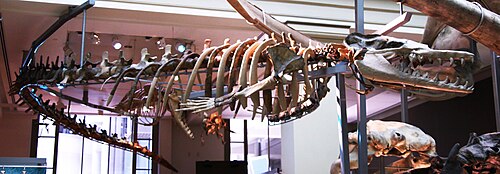
Close Relative Tim from Washington, D.C., United States of America / CC BY-SA 2.0 · cc-by-sa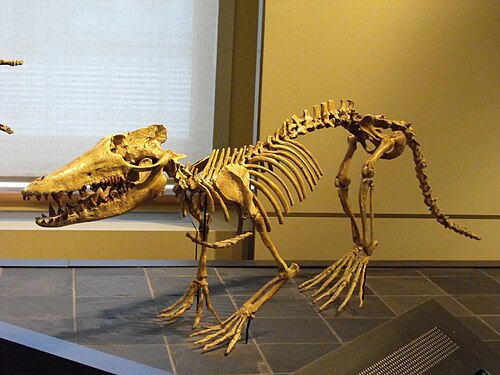
Ancestral Relative Kevin Guertin from Ottawa, Ontario, Canada / CC BY-SA 2.0 · cc-by-sa
Help improve the field guideSomething wrong?
Checking your Fauna account…Report a name, category, or profile issue for review.