
Mammal · GBIF taxon 4830564
Palaeotherium magnum
Palaeotherium magnumAlso known as Great Palaeothere
These robust, tapir-like browsing mammals navigated the dense subtropical forests of ancient Europe, plucking soft leaves, shoots, and fallen fruits from the understory. Skeletal evidence of retracted nasal bones suggests they possessed a short, flexible proboscis similar to modern tapirs, aiding selective feeding among dense forest vegetation. As the climate cooled and open savannas expanded during the Grande Coupure extinction event, these specialized forest browsers vanished alongside many ancient European endemic lineages.
PrehistoricHerbivore
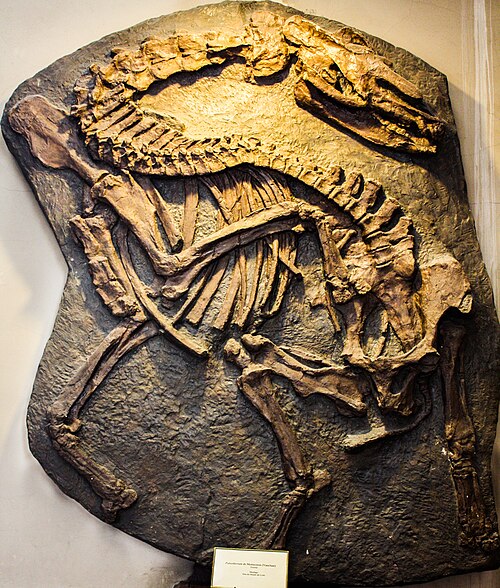
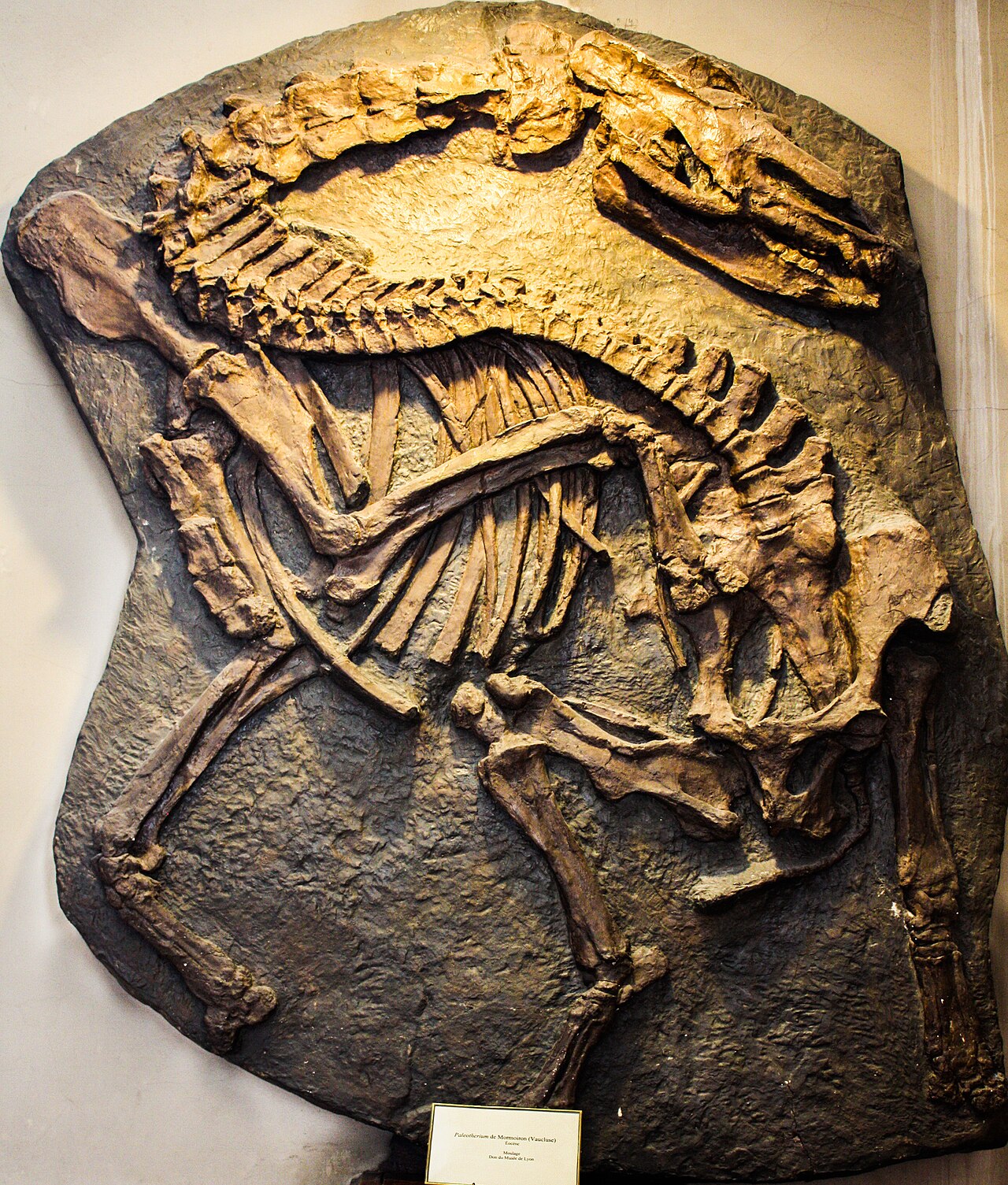
Licensed referenceShadowgate from Novara, ITALY / CC BY 2.0 · cc-by
—observations
—countries
—peak records
ExtinctConservation statusIUCN Red List categoriesLCNTVUENCREWEXExtinctRed List categories, explained →
Diet & prey
- Broadleaf foliage
- Forest understory shoots
- Fallen fruits
Predators
- Hyaenodon
- Pterodon
- Cynodictis
ThreatsClimatic cooling and forest loss during the Grande Coupure extinction event
HabitatsSubtropical broadleaf forests, riparian woodlands, and lush floodplains
Life spanApproximately 20–30 years
Size / weightNot available
Classification
- OrderPerissodactyla
- FamilyPalaeotheriidae
- GenusPalaeotherium
- SpeciesPalaeotherium magnum
Range data is not available yet.
Interaction riskHigh
- Low
- Moderate
- High
- Very high
- Why interaction risk is high
- Safe to observe at a normal distance via museum fossil collections.
Responsible observation
- Museum Exhibits: Observe complete mounted skeletons in major natural history museums to see the unique retracted nasal cavity.
- Fossil Examination: Inspect molar teeth for low-crowned lophodont patterns typical of forest foliage browsers.
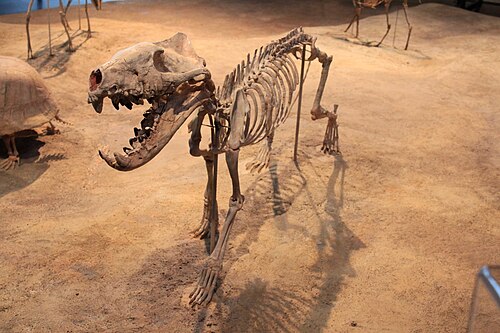
Predator Ryan Somma / CC BY 2.0 · cc-by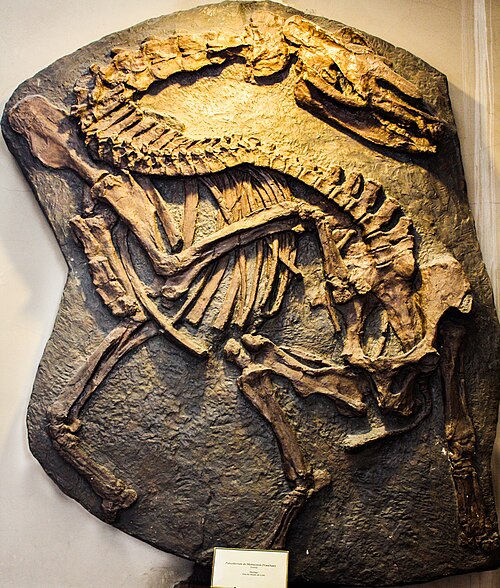
Close Relative Shadowgate from Novara, ITALY / CC BY 2.0 · cc-by Image unavailable
Close Relative 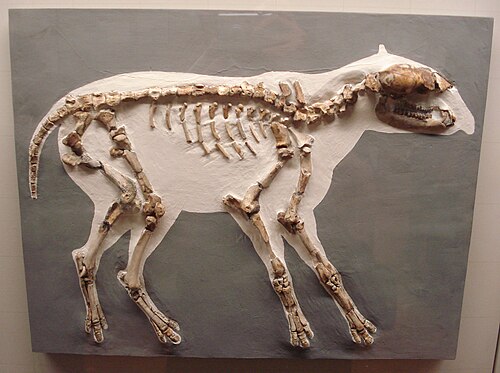
Same Family Ghedoghedo / CC BY-SA 3.0 · cc-by-sa
Help improve the field guideSomething wrong?
Checking your Fauna account…Report a name, category, or profile issue for review.