
Mammal
Neanderthal
Homo neanderthalensisAlso known as Neandertal, Neanderthal Man
Neanderthals were stocky, muscular hominins built for the glacial climates of Ice Age Eurasia. They crafted sophisticated Mousterian stone tools, controlled fire, buried their dead, and hunted large game across open steppes and boreal woodlands. Though they vanished around 40,000 years ago, their genetic legacy endures in modern human DNA today.
PrehistoricPrimate
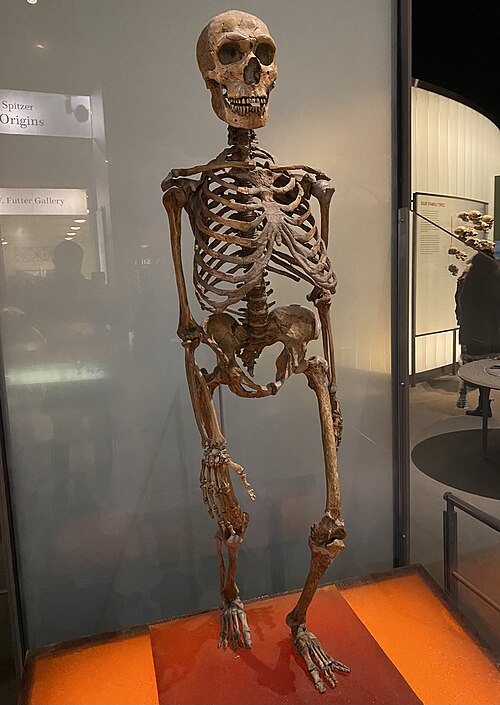
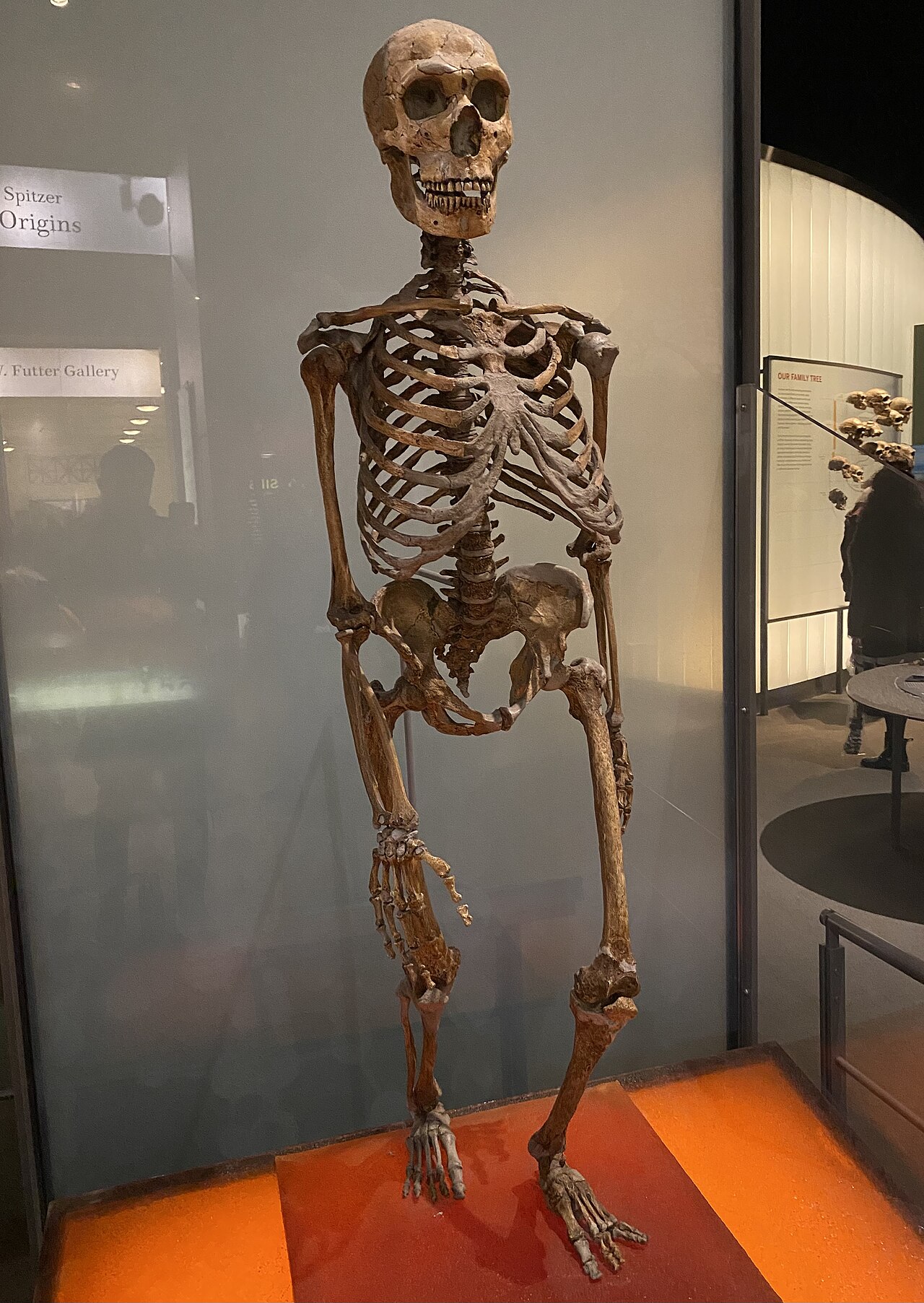
—observations
—countries
—peak records
ExtinctConservation statusIUCN Red List categoriesLCNTVUENCREWEXExtinctRed List categories, explained →
Diet & preyReindeer, Woolly mammoth, Red deer
Predators
- Cave lion
- Cave hyena
- Brown bear
ThreatsClimatic shifts, competition with Homo sapiens, small population sizes
HabitatsSteppe-tundra, boreal forests, temperate woodlands, limestone caves
Life spanUp to 35–40 years
Classification
- FamilyHominidae
- SpeciesHomo neanderthalensis
Range data is not available yet.
Interaction riskLow
- Low
- Moderate
- High
- Very high
- Why interaction risk is low
- Extinct species; known only from fossil, genetic, and archaeological records.
Responsible observation
- Fossil Record: Examine Mousterian tool kits and skeletal casts in natural history museum collections.
- Genetic Heritage: Explore genomic research detailing Neanderthal genes present in modern populations.
- Cave Sites: Learn about protected archaeological sites like Shanidar or Gibraltar from research publications.
 Image unavailable
Sister Taxon 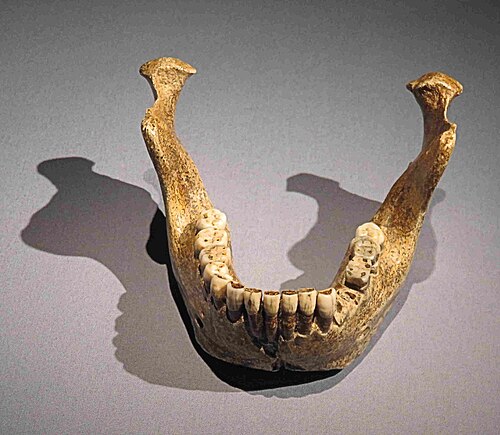
Ancestor Gerbil / CC BY 3.0 · cc-by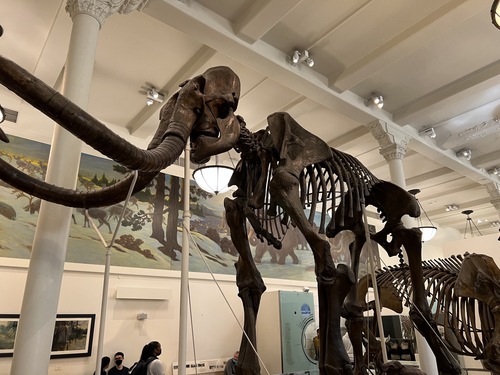
Prey no rights reserved, uploaded by mionectes · cc0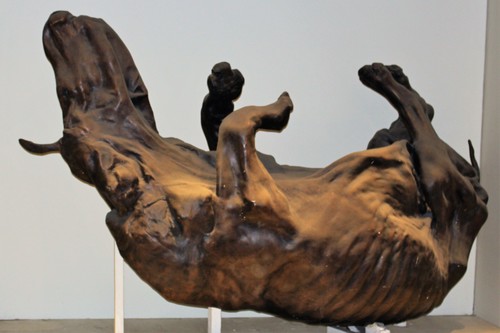
Prey (c) Emőke Dénes, some rights reserved (CC BY-SA) · cc-by-sa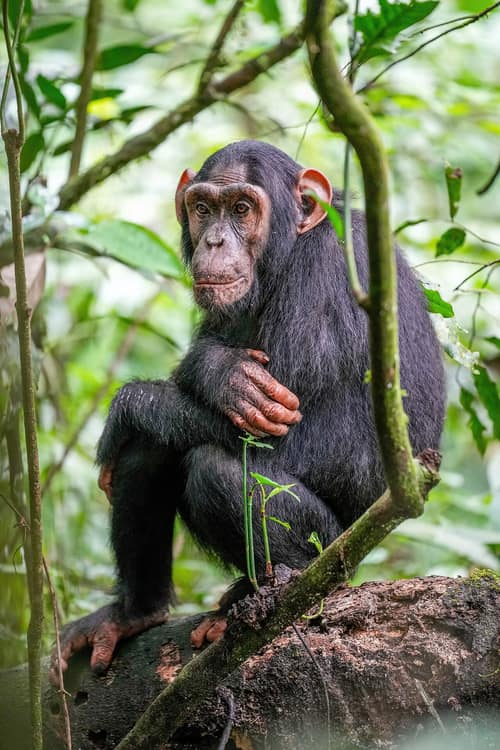
Distant Kin Giles Laurent / CC BY-SA 4.0 · cc-by-sa
Close Relative no rights reserved, uploaded by Abhas Misraraj · cc0
Help improve the field guideSomething wrong?
Checking your Fauna account…Report a name, category, or profile issue for review.