
Mammal · GBIF taxon 4827564
Homo erectus
Homo erectusAlso known as Java Man, Peking Man, Upright Man
Homo erectus was a groundbreaking Pleistocene hominin that pioneered long-distance bipedal running and humanlike body proportions. Bands forged sophisticated Acheulean handaxes, learned to control fire for warmth and cooking, and organized cooperative hunts across diverse landscapes. Their remarkable behavioral flexibility enabled them to become the first hominins to migrate extensively out of Africa into Eurasia.
Fossil HomininPleistocene
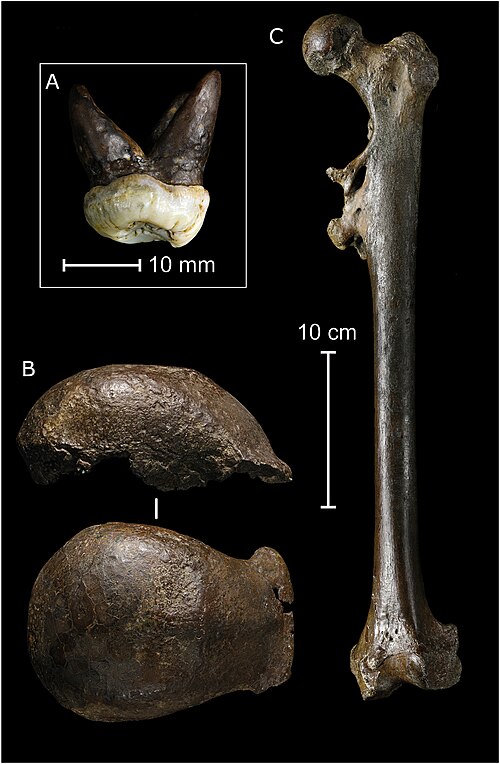
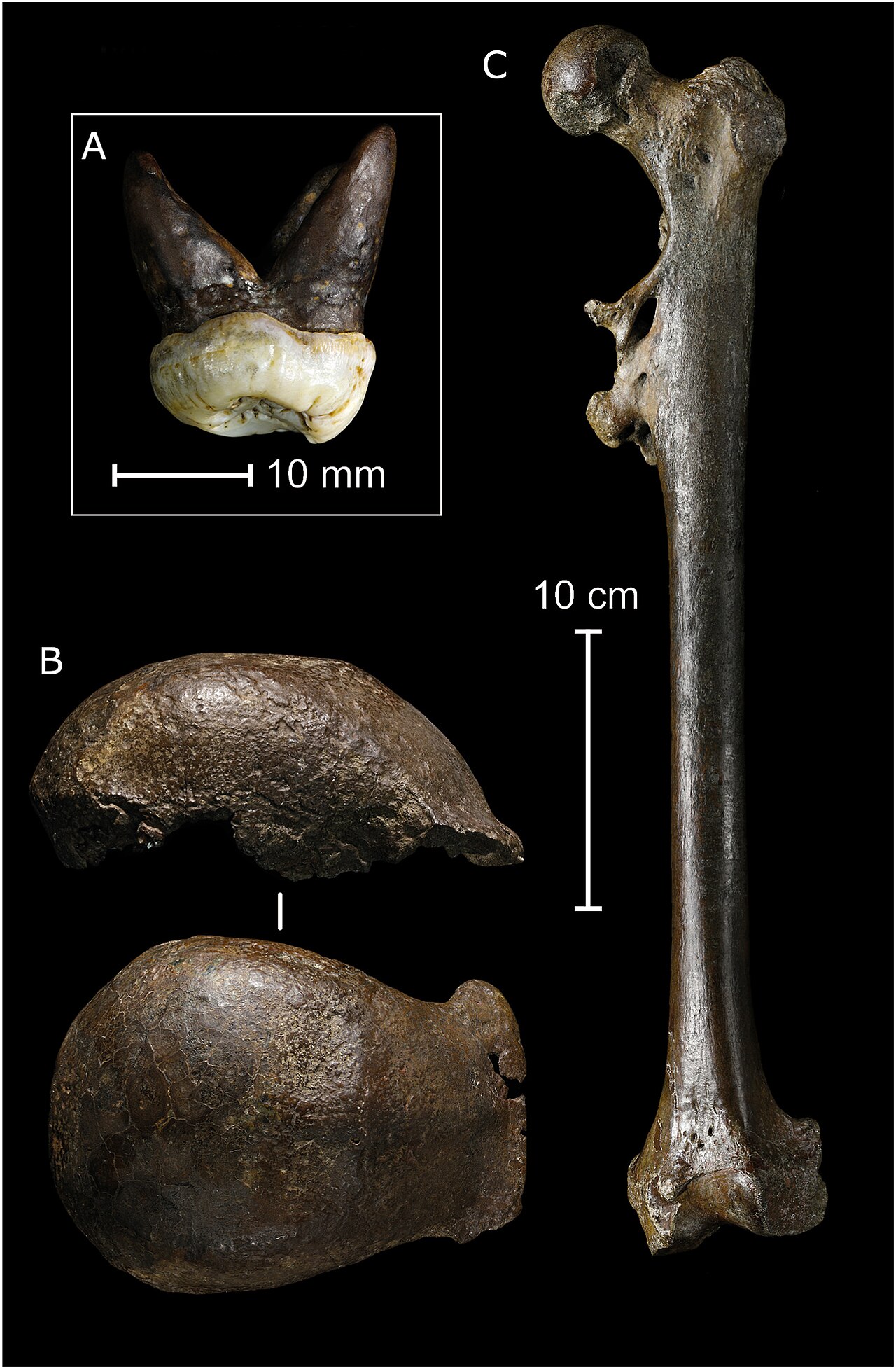
Licensed referenceEduard Pop et al. / CC BY 4.0 · cc-by
—observations
—countries
—peak records
ExtinctConservation statusIUCN Red List categoriesLCNTVUENCREWEXExtinctRed List categories, explained →
Diet & prey
- Pleistocene ungulates
- Underground tubers
- Small mammals and reptiles
Predators
- Giant hyena (Pachycrocuta brevirostris)
- Sabertooth cat (Megantereon cultridens)
- Pleistocene leopard (Panthera pardus)
ThreatsPleistocene climate shifts, habitat fragmentation, volcanic events
HabitatsSavannas, open woodlands, scrublands, temperate river valleys
Life spanRoughly 30–45 years
Classification
- FamilyHominidae
- SpeciesHomo erectus
Range data is not available yet.
Interaction riskLow
- Low
- Moderate
- High
- Very high
- Why interaction risk is low
- Extinct species known only from fossil material and archaeological artifacts.
Responsible observation
- Museum Viewing: Examine fossil casts and tool assemblages behind protective museum displays.
- Field Archaeology: Leave suspected in-situ Pleistocene artifacts undisturbed and notify paleontologists.
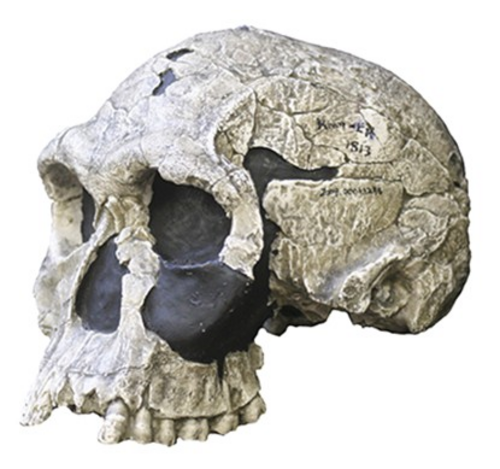
Precursor John Hawks, Marina Elliott, Peter Schmid, Steven E. Churchill, Darryl J. de Ruiter, Eric M. Roberts, Hannah Hilbert-Wolf, Heather M. Garvin, Scott A. Williams, Lucas K. Delezene, Elen M. Feuerriegel, Patrick Randolph-Quinney, Tracy L. Kivell, Myra F. Laird, Gaokgatlhe Tawane, Jeremy M. DeSilva, Shara E. Bailey, Juliet K. Brophy, Marc R. Meyer, Matthew M. Skinner, Matthew W. Tocheri, Caroline VanSickle, Christopher S. Walker, Timothy L. Campbell, Brian Kuhn, Ashley Kruger, Steven Tucker, Alia Gurtov, Nompumelelo Hlophe, Rick Hunter, Hannah Morris, Becca Peixotto, Maropeng Ramalepa, Dirk van Rooyen, Mathabela Tsikoane, Pedro Boshoff, Paul H.G.M. Dirks, Lee R. Berger / CC BY 4.0 · cc-by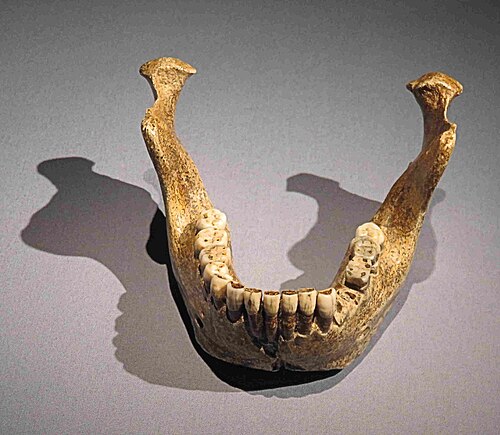
Descendant Gerbil / CC BY 3.0 · cc-by Image unavailable
Predator 
Close Relative no rights reserved, uploaded by Abhas Misraraj · cc0
Help improve the field guideSomething wrong?
Checking your Fauna account…Report a name, category, or profile issue for review.