
Fish
Hybodus reticulatus
Hybodus reticulatusHybodus reticulatus patrolled the shallow Jurassic seas armed with a streamlined, classic shark silhouette and prominent dorsal spines designed to deter marine reptiles. Its mouth contained a versatile dentition, combining sharp, multicuspid anterior teeth for seizing slippery prey with flattened posterior teeth adapted for crushing shells. Like many ancient elasmobranchs, males possessed prominent cephalic spines on their heads that likely played a role in courtship or territorial displays.
FossilMarine Predator
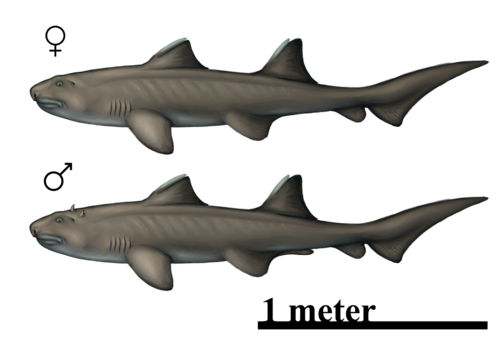
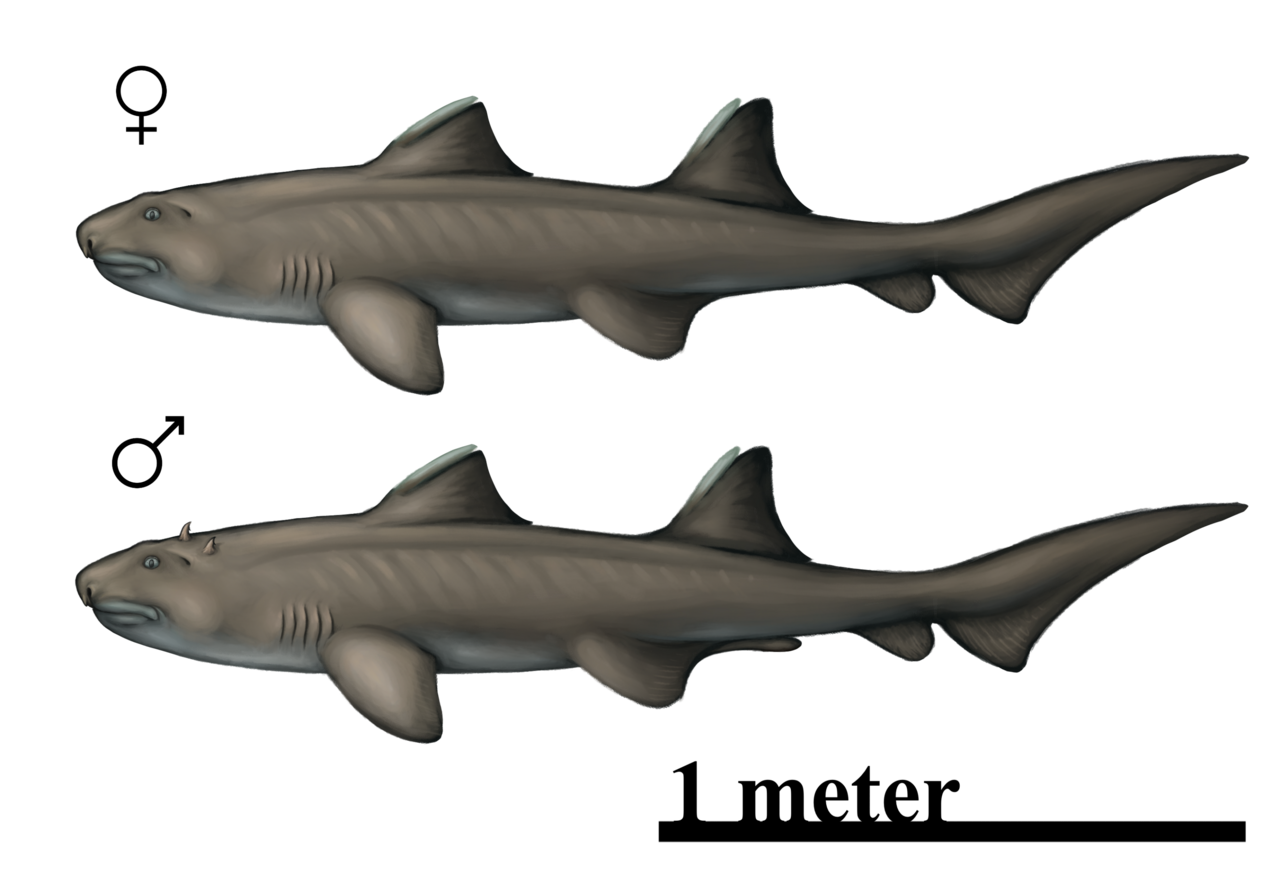
—observations
—countries
—peak records
ExtinctConservation statusIUCN Red List categoriesLCNTVUENCREWEXExtinctRed List categories, explained →
Diet & preyAmmonites, Belemnites, Bony fish
Predators
- Pliosaurs
- Ichthyosaurs
- Large hybodonts
ThreatsLarger marine reptiles like pliosaurs and ichthyosaurs
HabitatsShallow epicontinental seas, coastal waters, and lagoons
Life spanEstimated 15–25 years
Classification
- FamilyHybodontidae
- GenusHybodus
- SpeciesHybodus reticulatus
Range data is not available yet.
Interaction riskLow
- Low
- Moderate
- High
- Very high
- Why interaction risk is low
- Extinct prehistoric shark known only from fossils; completely safe to observe.
Responsible observation
- Fossil Identification: Look for distinctive grooved dorsal fin spines and multicuspid tooth crowns in Jurassic marine strata.
- Museum Collections: Study mounted skeletal compressions in major natural history collections, particularly from the UK Jurassic Coast.
- Preservation Etiquette: Extract exposed matrix fossils carefully with paleontological supervision to preserve delicate cartilage outlines.
 Image unavailable
Apex Predator Prey 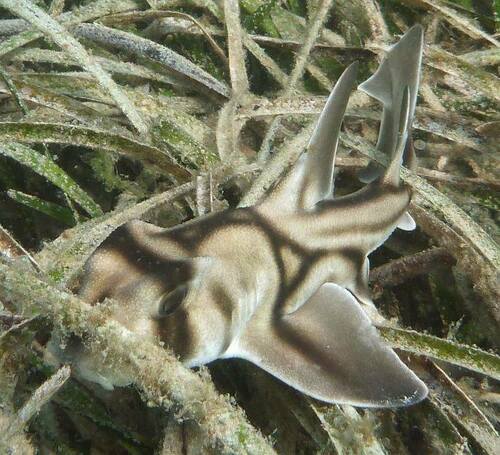
Ecological Analog (c) Belinda Forbes, some rights reserved (CC BY) · cc-by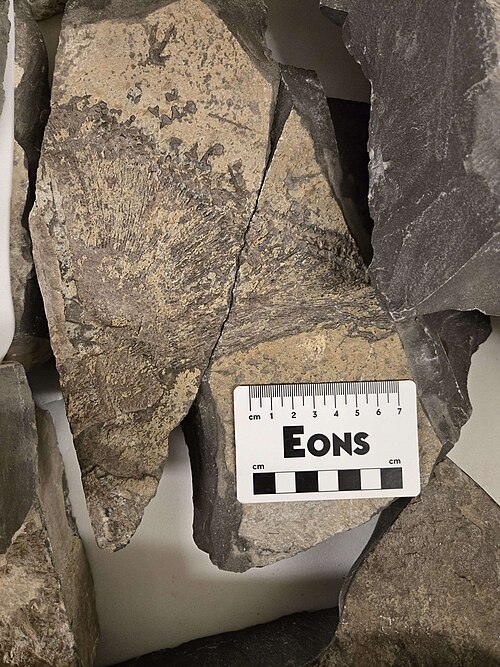
Distant Relative Montanoceratops / CC0 · cc0
Help improve the field guideSomething wrong?
Checking your Fauna account…Report a name, category, or profile issue for review.