
Species
Protoceratops andrewsi
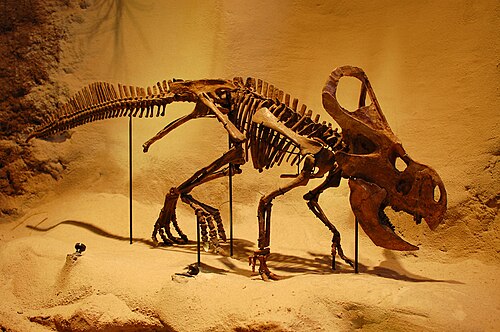
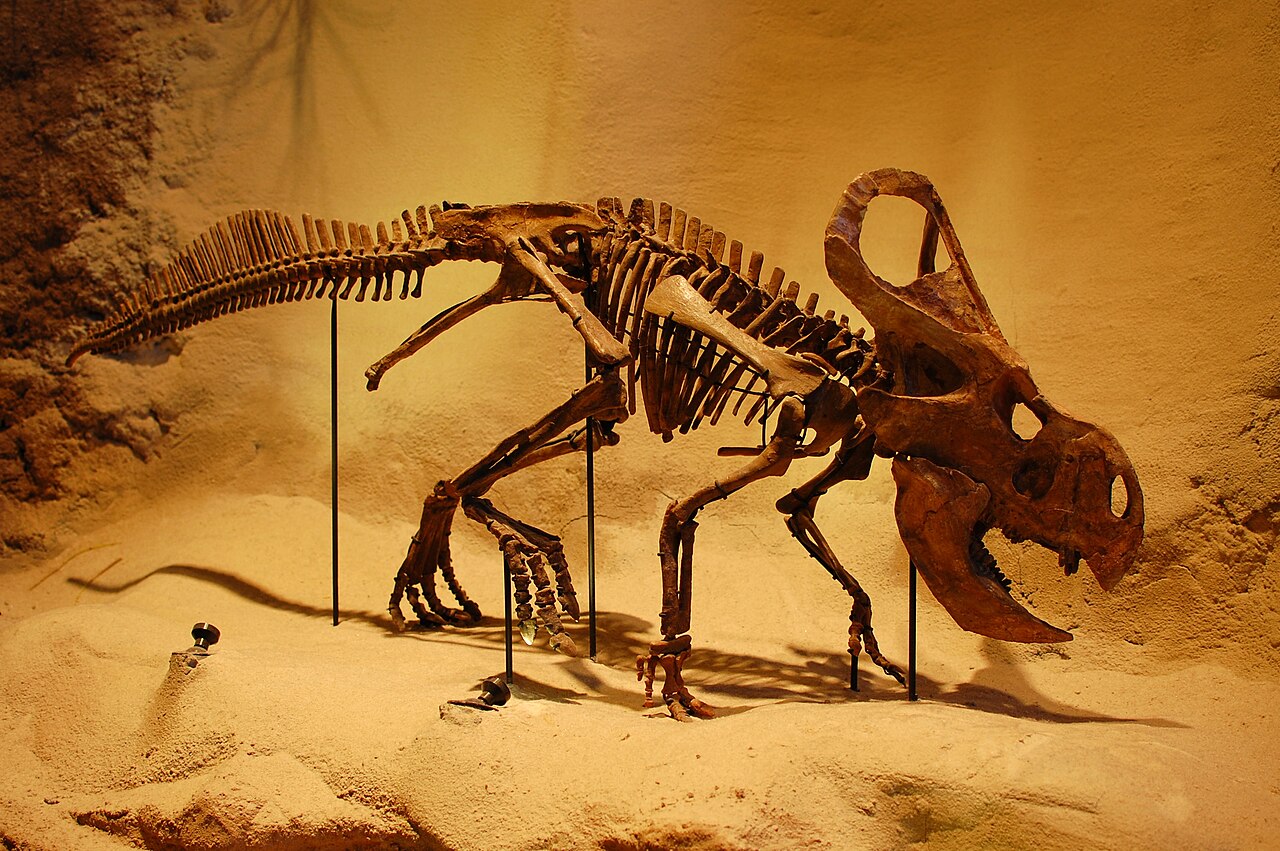
Protoceratops andrewsiProtoceratops andrewsi roamed the wind-swept sand dunes of the prehistoric Gobi Desert in social groups, grazing on tough, low-growing desert vegetation. Its prominent neck frill served both as an attachment site for powerful jaw-closing muscles and as a vibrant display structure for species recognition and courtship. Remarkable fossil beds preserve individuals of all ages, from communal nests of juveniles to fully grown adults locked in combat with agile desert predators.
PrehistoricHerbivorousFossil
—observations
—countries
—peak records
ExtinctConservation statusIUCN Red List categoriesLCNTVUENCREWEXExtinctRed List categories, explained →
Diet & preyHerbivore; fibrous shrubs, ferns, cycads, and tough desert flora
Predators
- Velociraptor mongoliensis
- Tarbosaurus bataar
ThreatsDesert sandstorms, severe droughts, and theropod predation
HabitatsArid dune fields, semi-arid scrublands, and alluvial basins
Life span10–20 years
Classification
- FamilyProtoceratopsidae
- SpeciesProtoceratops andrewsi
Range data is not available yet.
Interaction riskLow
- Low
- Moderate
- High
- Very high
- Why interaction risk is low
- Extinct species; known exclusively from fossil records.
Responsible observation
- Museum Exhibits: Seek out fossil displays featuring the famous 'Fighting Dinosaurs' specimen.
- Skull Details: Look closely at fossil casts to observe the robust shearing parrot-like beak.
- Growth Series: Inspect complete nest and juvenile mounts to appreciate how the frill developed.
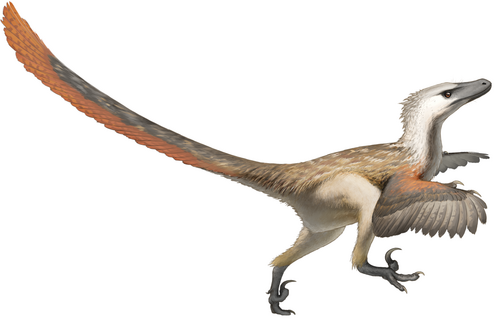
Predator (c) Fred Wierum, some rights reserved (CC BY-SA) · cc-by-sa Image unavailable
Neighbor Close Relative Close Relative
Help improve the field guideSomething wrong?
Checking your Fauna account…Report a name, category, or profile issue for review.