
Species · GBIF taxon 4822633
Tyrannosaurus rex
Tyrannosaurus rexAlso known as T. rex, T-Rex
Tyrannosaurus rex dominated late Cretaceous ecosystems as an apex macropredator equipped with bone-crushing jaws capable of generating over 35,000 newtons of force. Forward-facing eyes provided acute stereoscopic depth perception comparable to modern raptors, while massive olfactory bulbs granted an exceptional sense of smell for tracking herds or locating carcasses across expansive river deltas. Juveniles possessed slender, fleet-footed proportions and likely occupied different ecological niches before undergoing dramatic growth spurts during their teenage years.
CarnivorePrehistoric


Licensed referenceno rights reserved, uploaded by wilderbombyx · cc0
—observations
—countries
—peak records
ExtinctConservation statusIUCN Red List categoriesLCNTVUENCREWEXExtinctRed List categories, explained →
Diet & prey
- Triceratops horridus
- Edmontosaurus annectens
- Ankylosaurus magniventris
ThreatsCretaceous–Paleogene extinction event (Chicxulub asteroid impact)
HabitatsForested river floodplains, subtropical coastal lowlands, and open swamplands
Life span28–33 years
Classification
- FamilyTyrannosauridae
- SpeciesTyrannosaurus rex
Range data is not available yet.
Interaction riskLow
- Low
- Moderate
- High
- Very high
- Why interaction risk is low
- Extinct prehistoric species; known exclusively from fossilized skeletal remains.
Responsible observation
- Museum Etiquette: Admire mounted fossil skeletons from designated walkways to protect fragile specimen mounts.
- Field Paleontology: Never excavate or collect vertebrate fossils on public lands without authorized research permits.
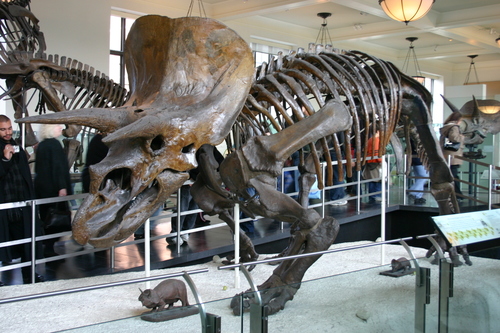
Prey (c) Ryan Somma, some rights reserved (CC BY-SA) · cc-by-sa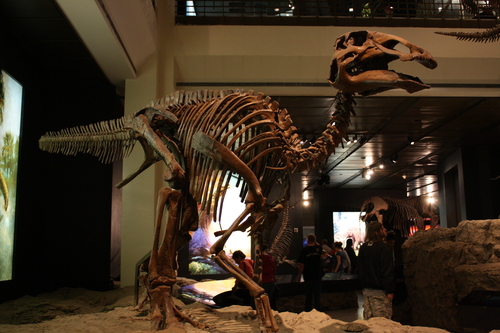
Prey (c) The_Wookies, some rights reserved (CC BY) · cc-by Image unavailable
Competitor 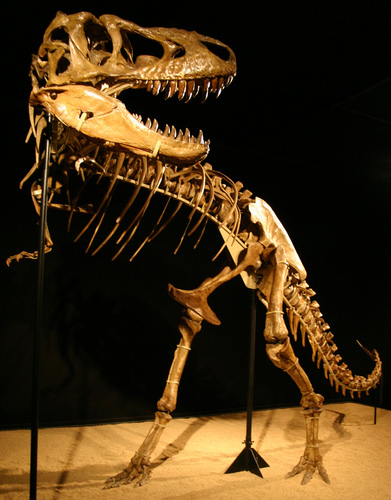
Close Relative (c) Armel, some rights reserved (CC BY-SA) · cc-by-sa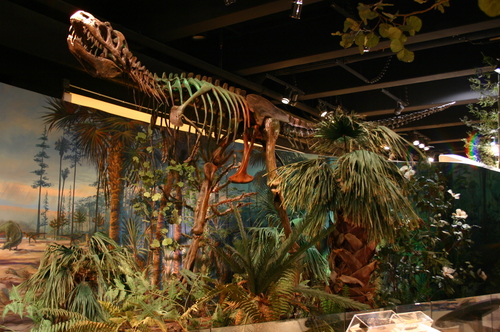
Same Family (c) Ryan Somma, some rights reserved (CC BY-SA) · cc-by-sa
Help improve the field guideSomething wrong?
Checking your Fauna account…Report a name, category, or profile issue for review.