
Reptile · GBIF taxon 4822554
Amargasaurus cazaui
Amargasaurus cazauiAmargasaurus navigated Early Cretaceous river plains, using a downturned neck and peg-like teeth to crop ferns, horsetails, and cycads close to the ground. Its most striking feature was a double row of elongate, upward-pointing neural spines along the neck and back, which likely supported defensive keratin sheaths or a visual display structure. Unlike long-necked titanosaurs, this compact sauropod relied on low-browse foraging and nimble herd movements within seasonal Patagonian scrublands.
PrehistoricHerbivoreSauropod
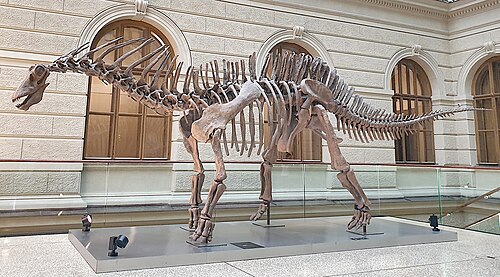
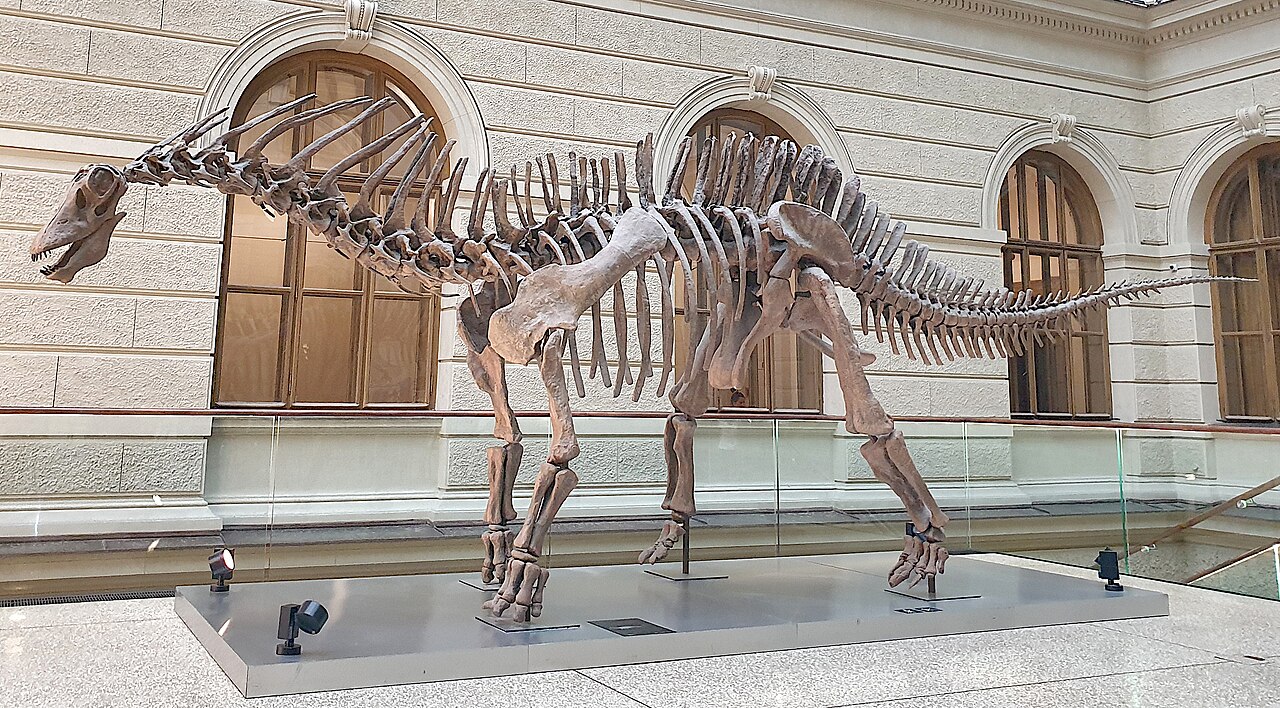
Licensed referenceJan Helebrant / CC0 · cc0
—observations
—countries
—peak records
ExtinctConservation statusIUCN Red List categoriesLCNTVUENCREWEXExtinctRed List categories, explained →
Diet & prey
- Ferns
- Cycads
- Conifer needles
Predators
- Abelisauroid theropods
- Large carcharodontosaurids
ThreatsPredation by contemporaneous abelisauroid theropods; regional climate changes
HabitatsRiver basins, floodplains, and semi-arid woodland scrub of prehistoric South America
Life spanEstimated 30–50 years
Size / weightNot available
Classification
- FamilyDiplodocidae
- GenusAmargasaurus
- SpeciesAmargasaurus cazaui
Range data is not available yet.
Interaction riskHigh
- Low
- Moderate
- High
- Very high
- Why interaction risk is high
- Extinct species known only from fossils; entirely safe to view in museum collections.
Responsible observation
- Museum Viewing: Examine mounted skeletal casts from behind designated railings to observe the paired neck spines.
- Fossil Appreciation: Study the angle of the cervical vertebrae to see how its head was held naturally downward.
 Image unavailable
Contemporary Sauropod Close Relative 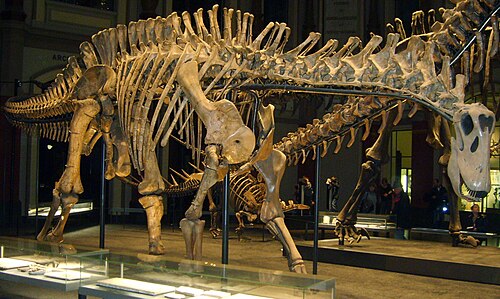
Close Relative FunkMonk / CC BY-SA 3.0 · cc-by-sa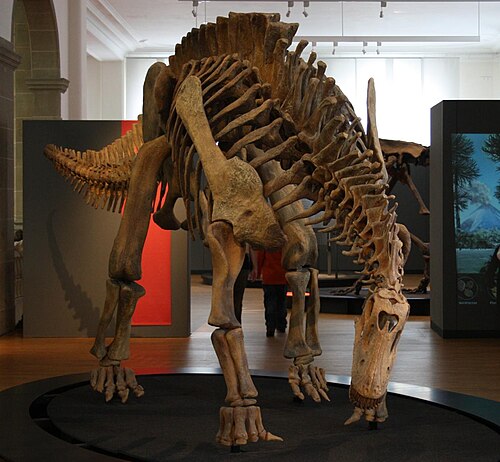
Close Relative Marco from Freialdenhoven, Deutschland / CC BY 2.0 · cc-by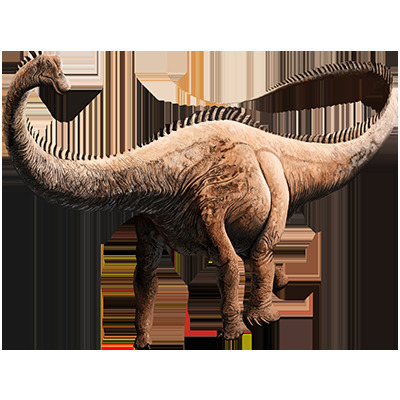
Same Family (c) DataBase Center for Life Science (DBCLS), some rights reserved (CC BY) · cc-by
Help improve the field guideSomething wrong?
Checking your Fauna account…Report a name, category, or profile issue for review.