
Reptile · GBIF taxon 4820419
Ottoman Viper
Montivipera xanthinaAlso known as Rock Viper, Coastal Viper, Near East Viper
Ottoman vipers inhabit rocky hillsides, dry scrublands, and agricultural edges across Greece and Turkey, blending seamlessly into stony terrain with their distinctive dark zigzag dorsal patterns. Active mostly at dusk and during warm nights, these thick-bodied pitless vipers ambush small mammals and lizards using potent hemotoxic venom. When cornered, individuals coil tightly, inflate their bodies, and produce loud, intimidating warning hisses.
VenomousNocturnalReptile
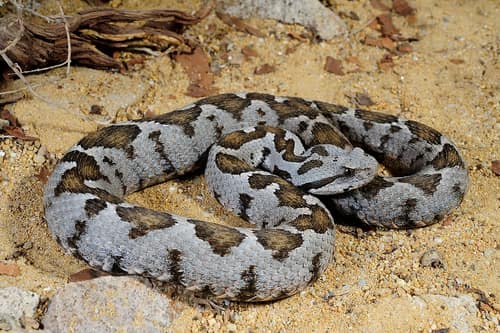
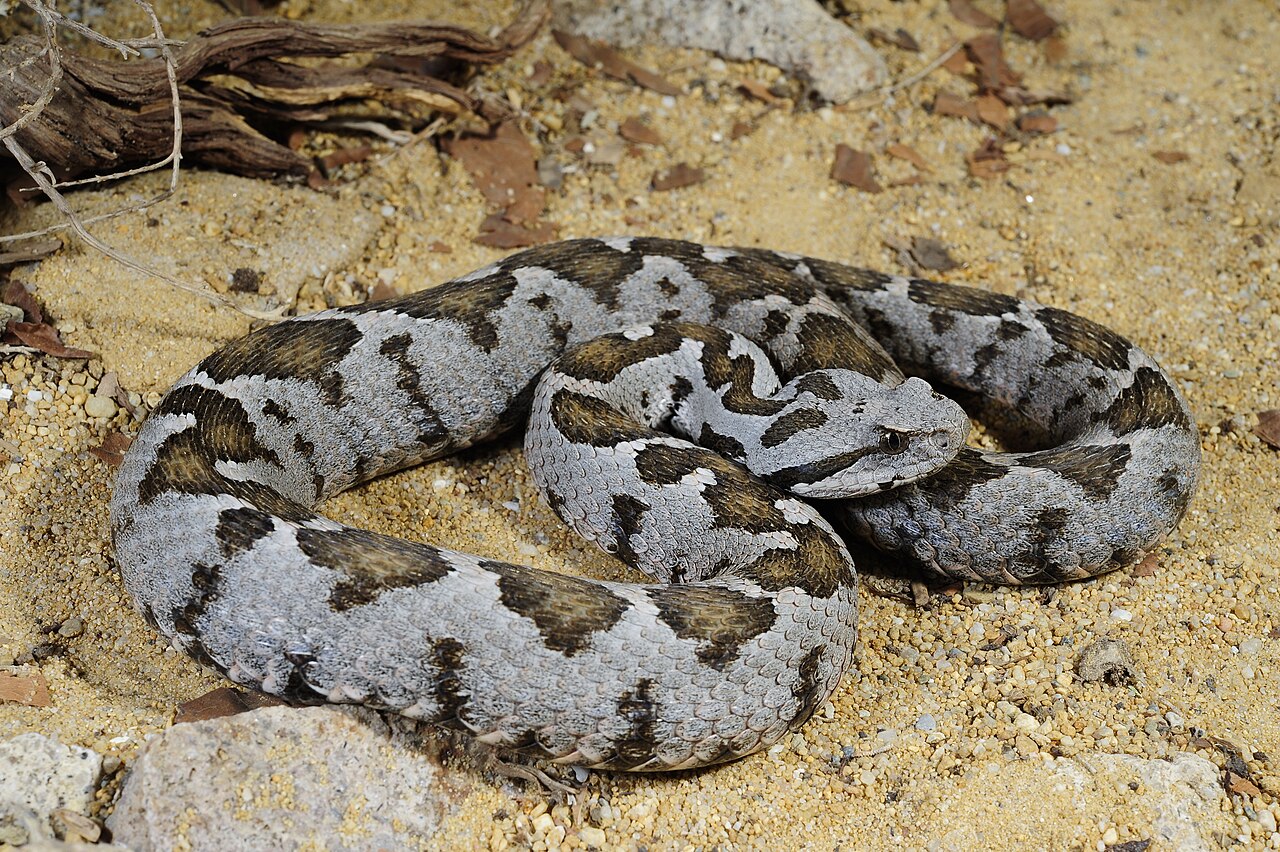
Licensed referenceBenny Trapp / CC BY 3.0 · cc-by
—observations
—countries
—peak records
Least ConcernConservation statusIUCN Red List categoriesLCNTVUENCREWEXLeast ConcernRed List categories, explained →
Diet & prey
- Rodents
- Lizards
- Small Birds
Predators
- Eagles
- Hawks
- Wild Boars
ThreatsHabitat loss, road mortality, and persecution by humans
HabitatsRocky slopes, scrubland, coastal hills, and stone walls
Life span10–15 years
Size / weightNot available
Classification
- FamilyViperidae
- SpeciesMontivipera xanthina
Range data is not available yet.
Interaction riskVery high
- Low
- Moderate
- High
- Very high
- Why interaction risk is very high
- Potentially dangerous hemotoxic venom; observe from a safe distance and never attempt to handle.
- Why it is dangerous
- Injects cytotoxic and hemotoxic venom via long hinged fangs, causing severe pain, swelling, tissue destruction, and potential systemic poisoning.
- How to recognize a risky encounter
- Look for a thick grey or tan body with a continuous dark zigzag stripe along the back and a triangular head.
- What to do
- Never reach into rocky crevices or dense brush without checking first, and retreat slowly if encountered.
Responsible observation
- Safe Distance: Maintain a distance of at least 3 meters to remain well outside striking range.
- Footwear Notice: Wear sturdy high-top boots and long pants when walking in rocky Mediterranean scrub.
- Twilight Watch: Watch the ground carefully during dusk when these snakes begin active hunting.
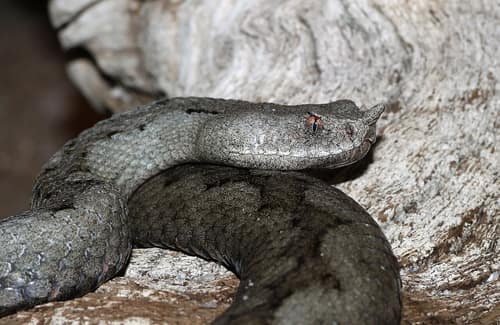
Competitor Holger Krisp / CC BY 3.0 · cc-by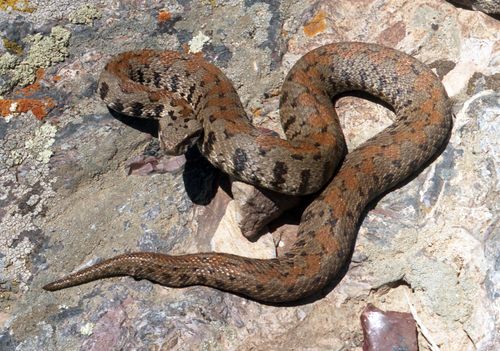
Close Relative (c) ttadevosyan76, some rights reserved (CC BY), uploaded by ttadevosyan76 · cc-by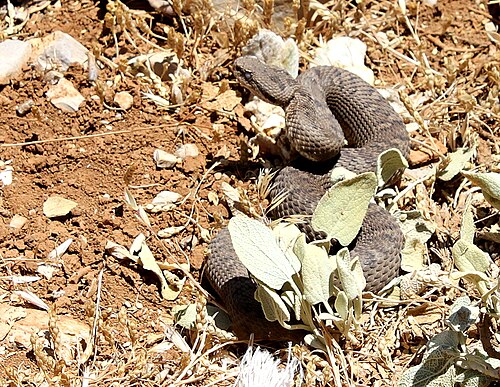
Close Relative Mickey Samuni-Blank / CC BY-SA 3.0 · cc-by-sa
Help improve the field guideSomething wrong?
Checking your Fauna account…Report a name, category, or profile issue for review.