
Invertebrate
Giant Gippsland Earthworm
Megascolides australisAlso known as Karmai
Giant Gippsland earthworms spend virtually their entire lives deep underground within permanent, water-lined clay burrows, almost never surfacing unless heavy rains completely flood their tunnels. Observers walking heavily across occupied hillsides can often hear distinctive gurgling noises as the worms retreat rapidly through their slippery subterranean passages. They reproduce at an exceptionally slow pace, producing a single amber egg capsule up to eight centimeters long that requires an entire year to hatch.
SubterraneanGiant InvertebrateEndemic
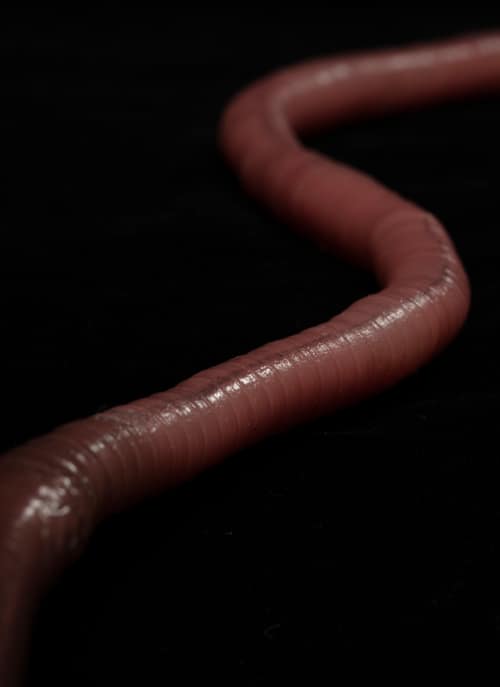
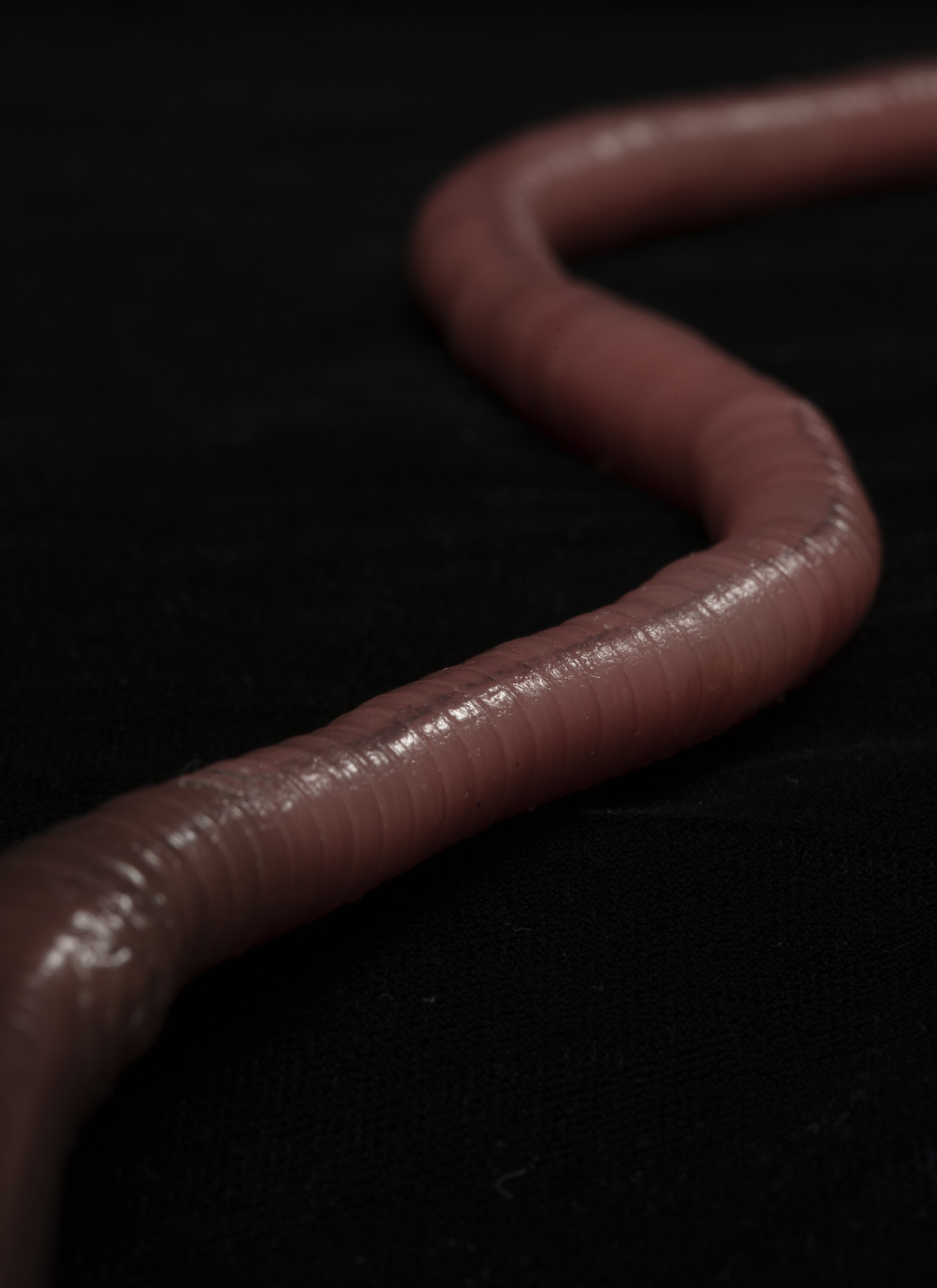
—observations
—countries
—peak records
EndangeredConservation statusIUCN Red List categoriesLCNTVUENCREWEXEndangeredRed List categories, explained →
Diet & preySoil fungi, Soil bacteria, Decomposed plant matter
Predators
- Laughing Kookaburra
- Australian Raven
- Red Fox
ThreatsAgricultural tillage, hydrological changes, soil compaction, and toxic chemical runoff
HabitatsDeep blue-grey clay subsoils along steep creek gullies and south-facing river banks
Life span10–20 years
Classification
- FamilyMegascolecidae
- SpeciesMegascolides australis
Range data is not available yet.
Interaction riskLow
- Low
- Moderate
- High
- Very high
- Why interaction risk is low
- Safe to observe at a normal distance.
- What to notice
- Found only in south-facing clay gullies of the Bass River valley, signaled by underground gurgling sounds beneath footfalls.
- Support conservation
- Stay on established footpaths to prevent soil compaction and leave all subsoil tunnels undisturbed.
Responsible observation
- Listen Carefully: Walk gently over damp clay stream banks to hear subterranean gurgles as startled worms contract.
- Do Not Dig: Refrain from excavating creek banks, as breaking their fragile burrows causes lethal dehydration.
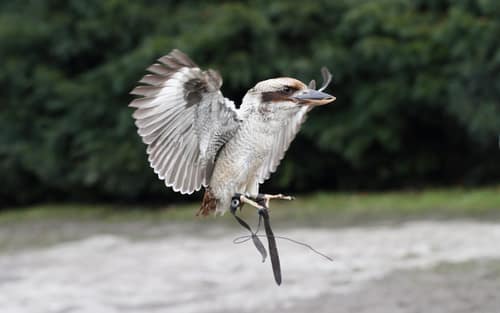
Predator (c) mcamcamca, some rights reserved (CC BY-SA) · cc-by-sa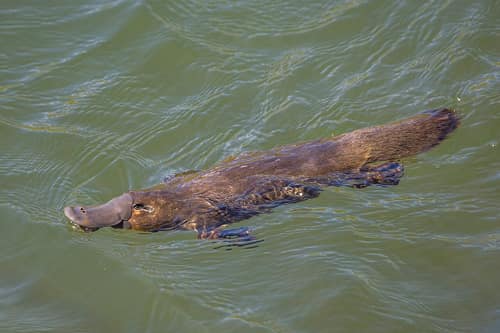
Neighbor Charles J. Sharp / CC BY-SA 4.0 · cc-by-sa Image unavailable
Close Relative
Help improve the field guideSomething wrong?
Checking your Fauna account…Report a name, category, or profile issue for review.